
Molecular Breakdown
Detailed analysis of ingredients sorted by quantity. Color codes indicate health risk based on WHO guidelines.
Nutritional Profile (100ml)
Clinical Assessment
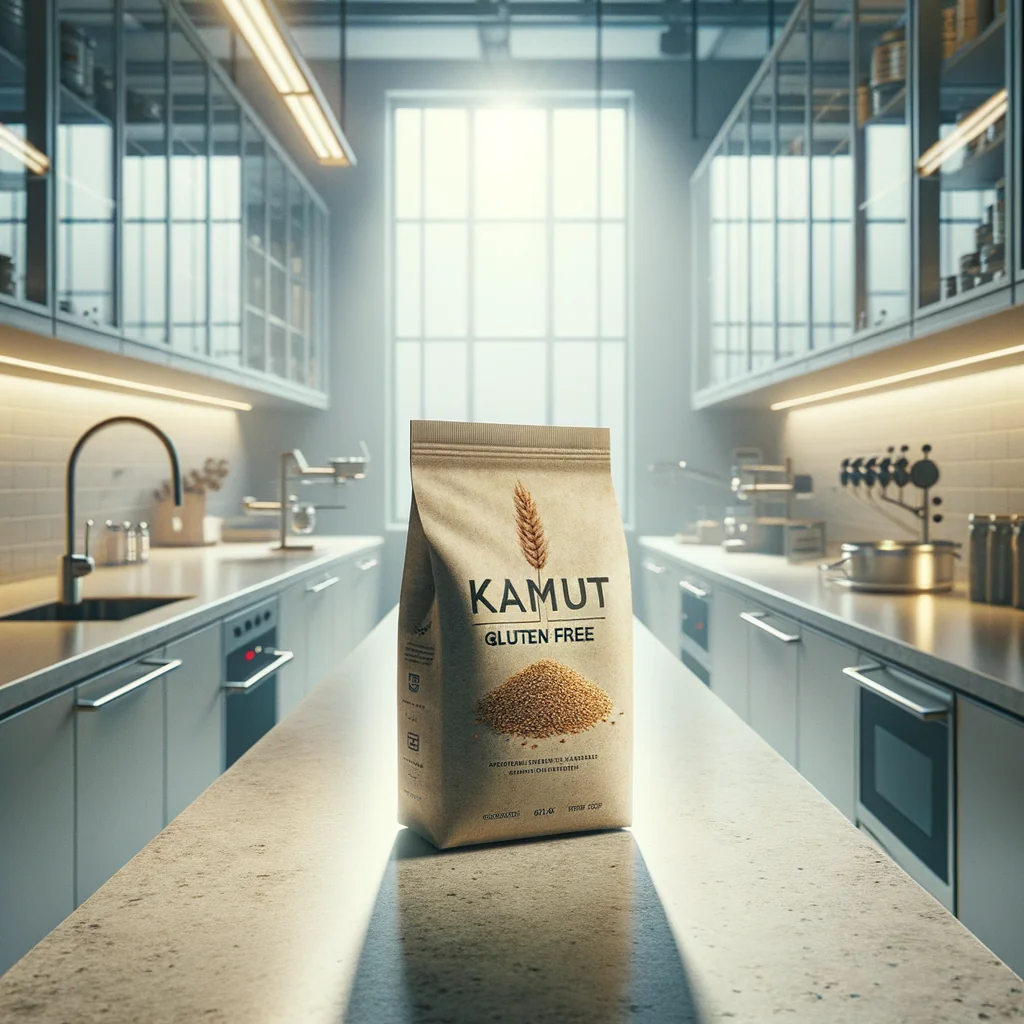
Kamut, also known as Khorasan wheat, is an ancient grain that is often marketed for its health benefits. However, it is important to note that Kamut is a type of wheat, and like all wheat products, it contains gluten. The gluten in Kamut is similar to that found in modern wheat, which means it is not suitable for individuals with celiac disease or gluten sensitivity. The manufacturing process of Kamut does not involve any unique gluten-removal techniques, so it retains its natural gluten content. Despite its nutritional benefits, such as high protein and mineral content, Kamut should be avoided by those who require a gluten-free diet.
Frequently Asked Questions
Can people with gluten intolerance eat Kamut?
What makes Kamut different from regular wheat?
Is Kamut safe for those following a gluten-free diet?
Does Kamut have any nutritional benefits over regular wheat?
Can Kamut be used in gluten-free recipes?
Disclaimer: This report is informational and not medical advice.