
Molecular Breakdown
Detailed analysis of ingredients sorted by quantity. Color codes indicate health risk based on WHO guidelines.
Nutritional Profile (100ml)
Clinical Assessment
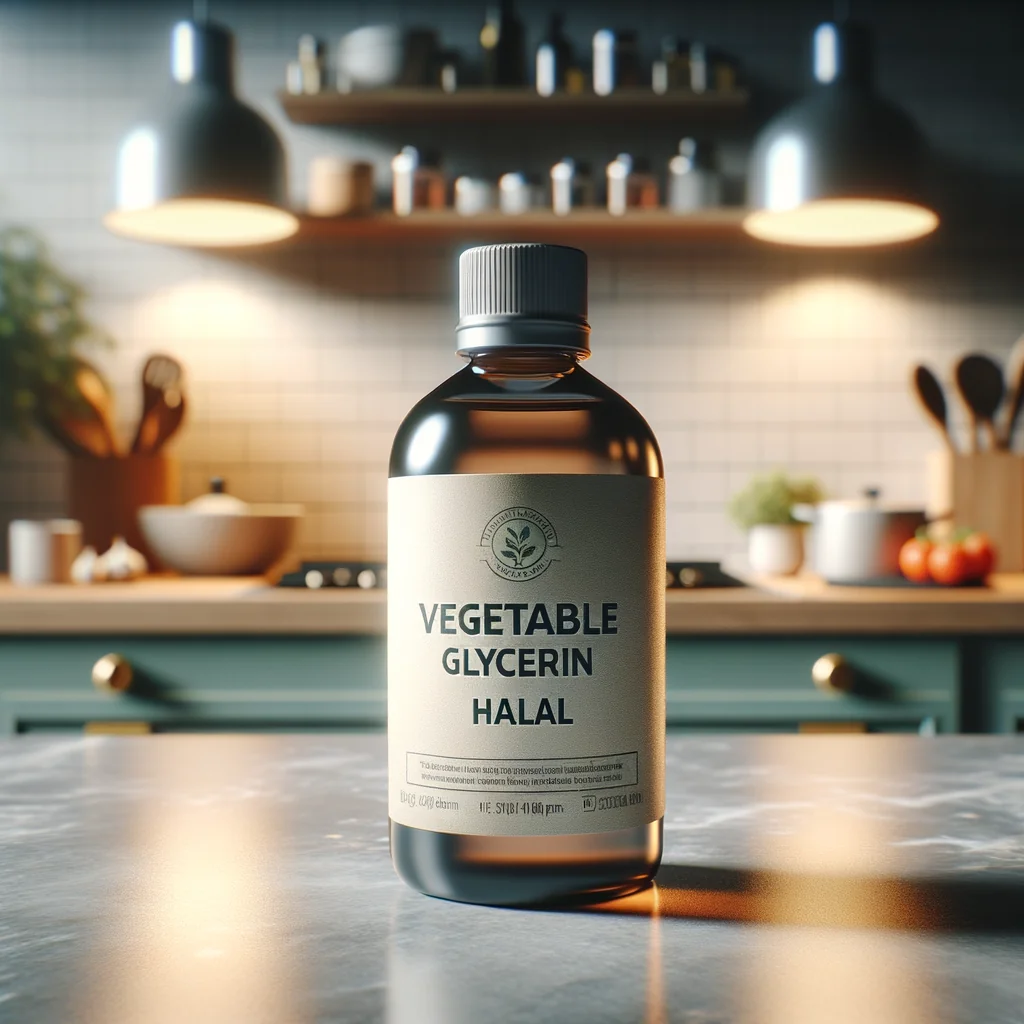
Vegetable glycerin, also known as glycerol, is a clear, odorless liquid produced from plant oils such as palm, soy, or coconut. During its production, triglycerides are heated with strong alkali, which can sometimes involve ethanol as a carrier. This raises concerns for those observing halal dietary laws.
Does Vegetable Glycerin contain Gelatin?
No, vegetable glycerin is derived from plant oils and does not contain gelatin. It's purely plant-based, making it suitable for vegetarians and vegans. However, cross-contamination during manufacturing must be considered.
Is Ethanol used in Vegetable Glycerin production?
Ethanol may be used as a carrier in some glycerin production processes. While this is generally removed during manufacturing, trace amounts could remain, which might be a concern for halal certification.
How can you verify Halal status of Vegetable Glycerin?
To verify the halal status, look for a halal certification from a recognized body. This ensures the glycerin is free from non-halal elements like ethanol or porcine derivatives.
Is Vegetable Glycerin safe for gluten-free diets?
Yes, vegetable glycerin is gluten-free, as it is derived from plant oils and does not contain wheat, barley, or rye.
What is the E-number for Vegetable Glycerin?
The E-number for vegetable glycerin is E422. It's important to check product labels for this number to ensure you're consuming genuine vegetable glycerin.
Frequently Asked Questions
Does Vegetable Glycerin contain pig fat according to Diyanet?
Is the E-number in Vegetable Glycerin vegetarian?
Can ethanol in Vegetable Glycerin affect its halal status?
Is Vegetable Glycerin suitable for vegans?
What should I check for in halal-certified Vegetable Glycerin?
Disclaimer: This report is informational and not medical advice.