
Molecular Breakdown
Detailed analysis of ingredients sorted by quantity. Color codes indicate health risk based on WHO guidelines.
Nutritional Profile (100ml)
Clinical Assessment
The production of soy milk involves soaking soybeans, grinding them with water, and then filtering the mixture to separate the milk from the pulp. This process is naturally free from gluten, as soybeans do not contain gluten. However, cross-contamination during processing could occur if the production line also handles gluten-containing grains.
Is There Gluten in Soy Milk?
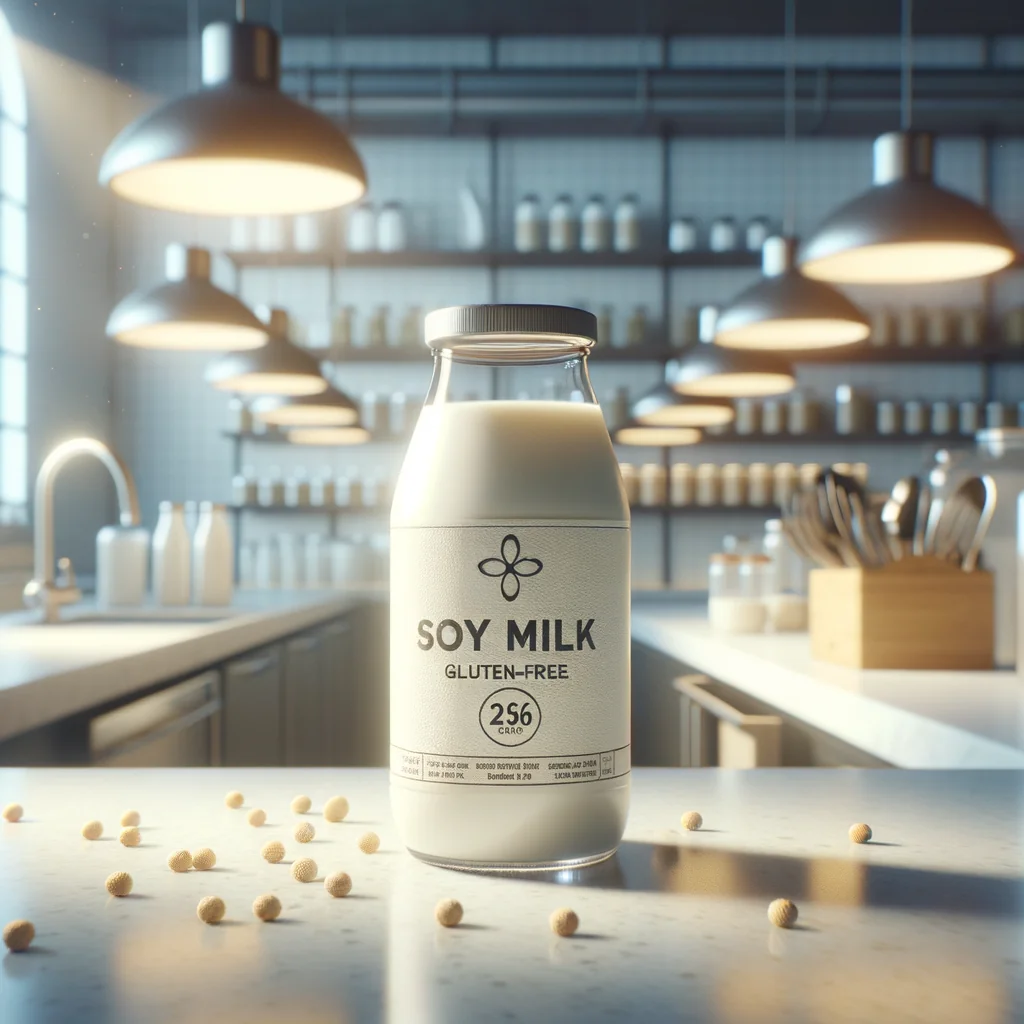
Soy milk itself is naturally gluten-free. The main ingredient, soybeans, does not contain gluten. However, the risk of gluten presence arises from cross-contamination in facilities that process both soy and gluten-containing grains like wheat, barley, or rye. Manufacturers often take precautions to avoid this, but checking for a gluten-free certification or label is advisable for those with celiac disease or gluten sensitivity.
How Is Soy Milk Certified Gluten-Free?
For soy milk to be certified gluten-free, manufacturers must ensure that their production lines are free from gluten contamination. This involves cleaning equipment thoroughly and testing the final product to meet gluten-free standards, typically less than 20 parts per million (ppm) of gluten. Certified gluten-free labels provide assurance to consumers looking to avoid gluten.
Can Soy Milk Cause Gluten Cross-Contamination?
Cross-contamination can occur if soy milk is processed in facilities that also handle gluten-containing products. To mitigate this risk, manufacturers employ strict cleaning protocols and separate production lines. Consumers can look for gluten-free certification to ensure the product is safe for a gluten-free diet.
Are All Soy Milk Brands Gluten-Free?
Most soy milk brands are gluten-free, but it's important to check the packaging for any gluten-free certification or labels. Some brands may produce soy milk in shared facilities with gluten-containing products, increasing the risk of cross-contamination. Reading labels and choosing certified products can help avoid accidental gluten exposure.
What Should Celiac Patients Know About Soy Milk?
Celiac patients should ensure that the soy milk they consume is certified gluten-free. While soybeans are naturally gluten-free, the risk lies in the manufacturing process. By choosing products with a gluten-free label, patients can reduce the risk of gluten exposure and maintain their dietary restrictions.
Frequently Asked Questions
Does soy milk have gluten?
Is soy milk safe for celiac disease?
Can soy milk be contaminated with gluten?
Are there gluten-free certifications for soy milk?
What is the gluten-free standard for soy milk?
Disclaimer: This report is informational and not medical advice.