
Molecular Breakdown
Detailed analysis of ingredients sorted by quantity. Color codes indicate health risk based on WHO guidelines.
Nutritional Profile (100ml)
Clinical Assessment
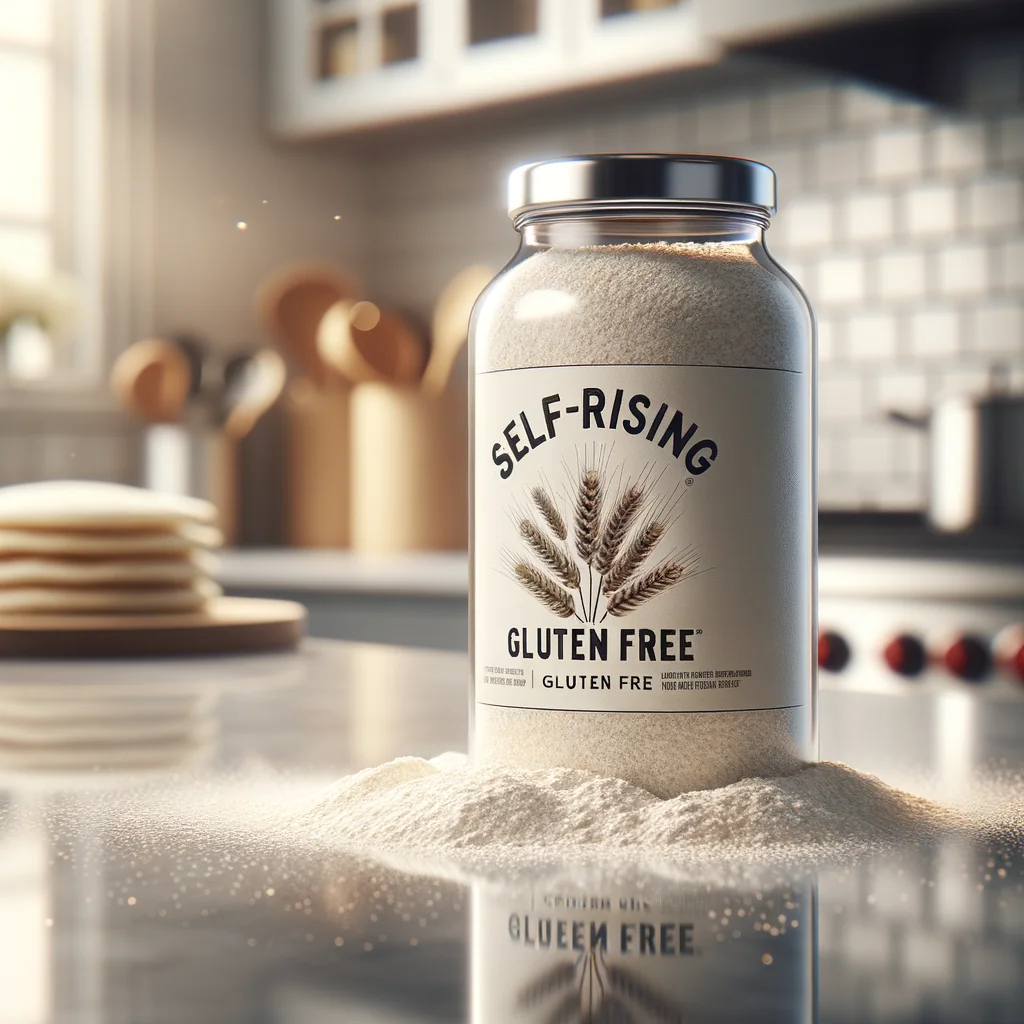
Self-rising flour is a staple in many kitchens, known for its convenience in baking. It combines all-purpose flour, baking powder, and salt. The primary ingredient, all-purpose flour, is derived from wheat, which contains gluten. During production, there is a risk of cross-contamination with other gluten-containing grains like barley and rye, especially if the facility processes various grain types.
Does Self-Rising Flour Contain Gelatin?
No, self-rising flour does not typically contain gelatin. It consists mainly of wheat flour, baking powder, and salt. Gelatin is not a necessary component for its leavening properties. However, always check labels for any unusual additives that might not suit vegetarian diets.
Is Self-Rising Flour Safe for Celiac Disease?
Self-rising flour is not safe for individuals with celiac disease as it contains gluten. The manufacturing process may also involve cross-contamination with other gluten-containing grains, increasing the risk for those sensitive to even trace amounts of gluten.
Are There Gluten-Free Alternatives to Self-Rising Flour?
Yes, there are gluten-free alternatives available. These often use a blend of gluten-free flours such as rice, potato starch, and tapioca, combined with gluten-free baking powder. Ensure the product is certified gluten-free to avoid cross-contamination risks.
How is Gluten Content Tested in Flours?
Gluten content in flours is tested using ELISA assays, specifically designed to detect gluten proteins. This testing is crucial for manufacturers claiming their products are gluten-free, ensuring they meet regulatory standards and are safe for consumption by those with gluten sensitivities.
What is the Role of E-Numbers in Self-Rising Flour?
E-numbers like E500 (sodium bicarbonate) and E341 (calcium phosphate) are common in self-rising flour. They serve as leavening agents, helping the dough rise. These additives are generally considered safe, but individuals with specific dietary restrictions should verify their source.
Frequently Asked Questions
Does Self-Rising Flour contain pig fat according to Diyanet?
Is the E-number in Self-Rising Flour vegetarian?
What makes Self-Rising Flour not gluten-free?
Can Self-Rising Flour be used in gluten-free recipes?
How is gluten cross-contamination managed in flour production?
Disclaimer: This report is informational and not medical advice.