Molecular Breakdown
Detailed analysis of ingredients sorted by quantity. Color codes indicate health risk based on WHO guidelines.
Nutritional Profile (100ml)
Clinical Assessment
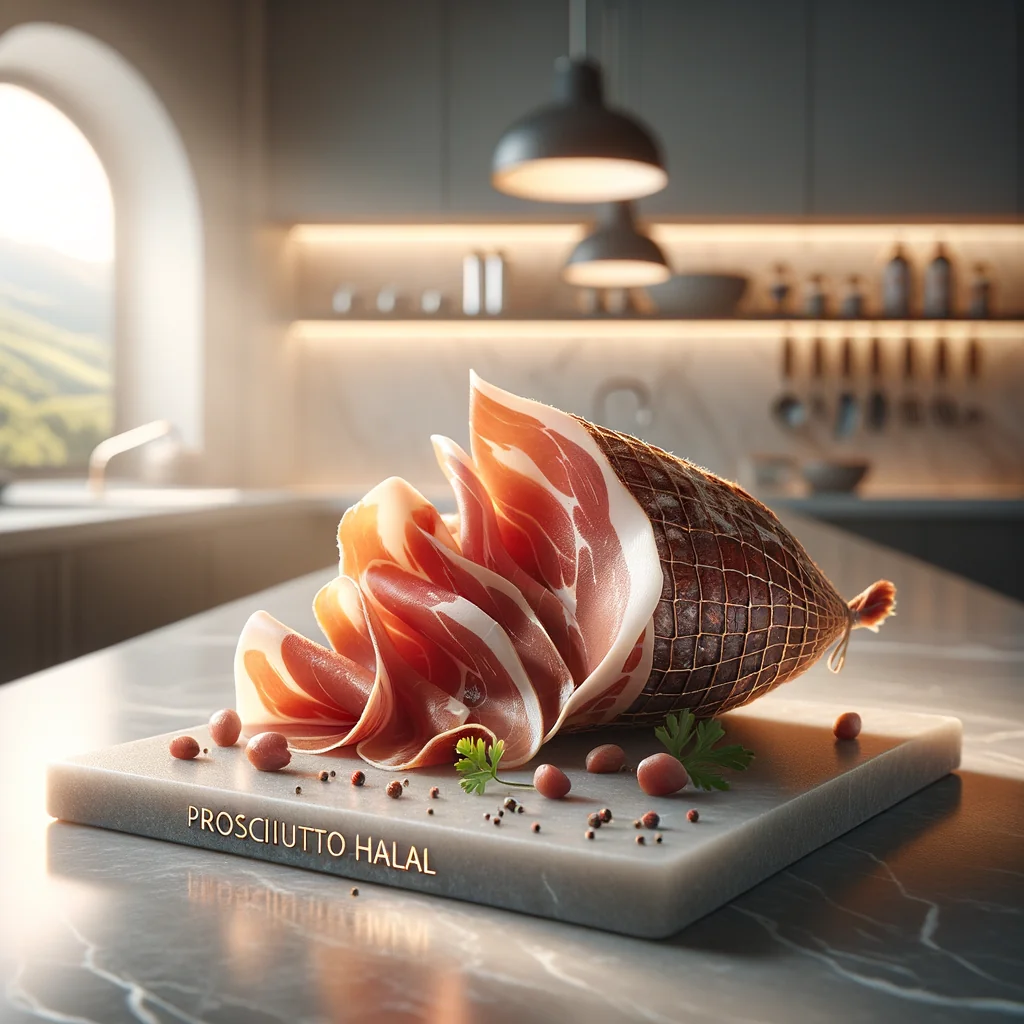
Prosciutto, a beloved Italian delicacy, is a dry-cured ham typically made from pork. The curing process involves salting and aging the meat for months, contributing to its unique flavor and texture. However, the presence of pork makes it unsuitable for those following a halal diet. Additionally, additives such as E250 (sodium nitrite) and E252 (potassium nitrate) are often used in its preservation, which may further complicate its halal status depending on their source and processing methods.
Does Prosciutto contain Gelatin?
Prosciutto does not typically contain gelatin. It is primarily made from pork meat, salt, and sometimes spices. The curing process doesn't require gelatin, which is often used in other processed meats like sausages for texture. However, the presence of pork itself is a significant concern for those following halal dietary laws.
Is there alcohol in Prosciutto?
Traditional prosciutto does not contain alcohol. The curing process relies on salt and time rather than fermentation or alcohol-based preservatives. However, it's always crucial to check specific product labels or consult manufacturers, as recipes can vary, especially in artisanal or flavored varieties where alcohol might be used for flavor enhancement.
What are the E-numbers in Prosciutto?
Prosciutto often includes E250 and E252, which are sodium nitrite and potassium nitrate, respectively. These additives are used to preserve the meat and maintain its color. While these compounds are generally considered safe in regulated amounts, their source and production methods may raise concerns among those adhering to strict halal standards.
Is Prosciutto suitable for vegetarians?
No, prosciutto is not suitable for vegetarians as it is made from pork. Vegetarians avoid all forms of meat and meat products. Prosciutto is a cured meat product, and its primary ingredient is pork, which is non-compliant with vegetarian diets.
Can Prosciutto be made halal?
In theory, a halal version of prosciutto could be made using halal-certified meat, such as beef or lamb, and ensuring all additives and processing methods comply with halal standards. However, traditional prosciutto made from pork cannot be considered halal.
Frequently Asked Questions
Does Prosciutto contain pig fat according to Diyanet?
Is the E-number in Prosciutto vegetarian?
How does curing affect the halal status of Prosciutto?
Can Muslims eat any type of prosciutto?
What makes an ingredient halal or haram?
Disclaimer: This report is informational and not medical advice.