Molecular Breakdown
Detailed analysis of ingredients sorted by quantity. Color codes indicate health risk based on WHO guidelines.
Nutritional Profile (100ml)
Clinical Assessment
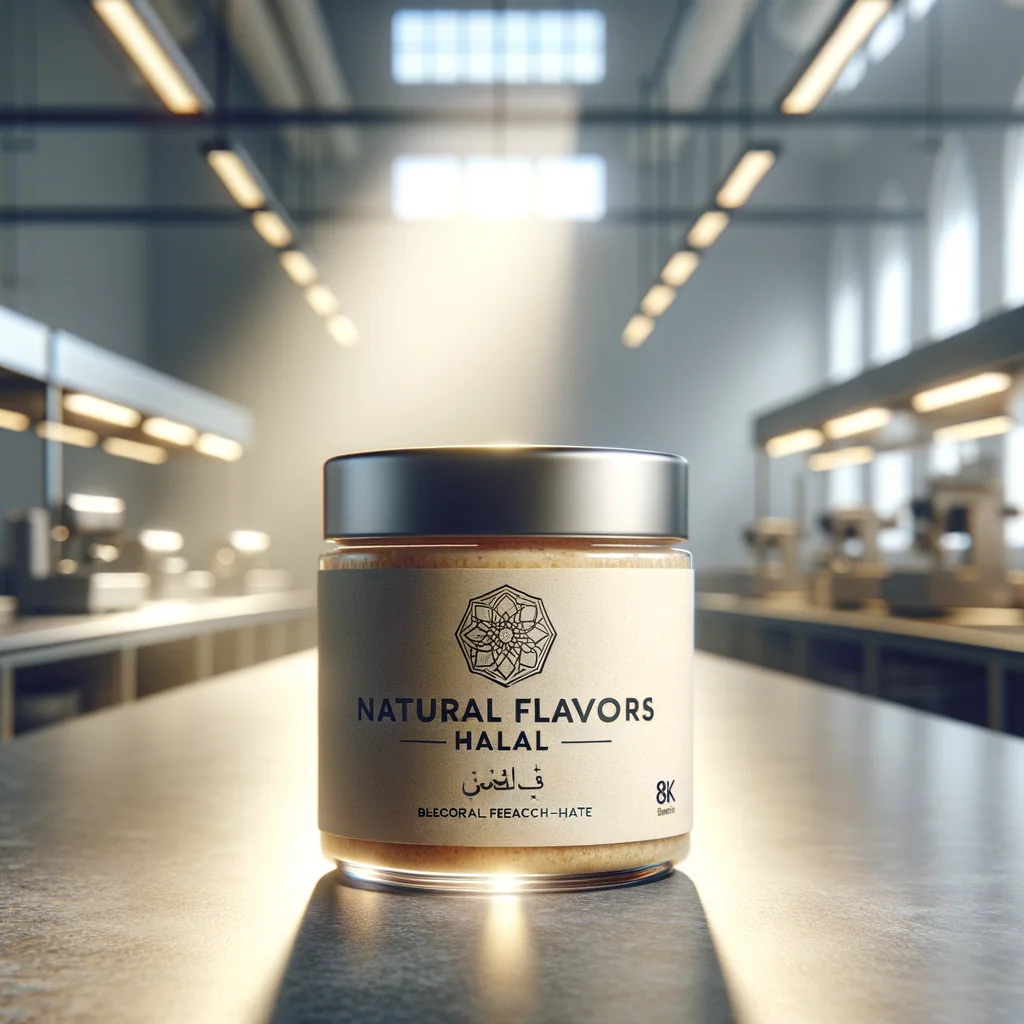
Natural flavors are complex mixtures often derived from plant or animal sources. They may include additives like E120 (Carmine), which is derived from insects, or gelatin, which can be sourced from pork, raising halal concerns. The process involves extracting essential oils or compounds, sometimes using alcohol as a solvent, which could further complicate halal certification.
Does Natural Flavors contain Gelatin?
Gelatin is a common additive in natural flavors, used as a stabilizer. It's often derived from pork or beef. For Muslims, gelatin from non-halal sources is not permissible. Checking for halal certification or contacting manufacturers for the source of gelatin can be crucial for those observing halal dietary laws.
Is E120 in Natural Flavors Halal?
E120, also known as Carmine, is derived from cochineal insects. It is used to provide red coloring in foods and drinks. Many halal certifying bodies do not consider E120 halal due to its insect origin, making it unsuitable for strict halal diets.
Are Alcohol-based Solvents in Natural Flavors Halal?
Alcohol is sometimes used as a solvent to extract flavors. In halal contexts, the presence of ethanol can be problematic. Some certifying bodies permit trace amounts if it evaporates during processing, but others do not. Consumers should seek guidance from trusted halal authorities.
Can Natural Flavors be Certified Halal?
Natural flavors can potentially be certified halal if all ingredients, including additives like E120 and gelatin, are sourced from halal-compliant materials. Certification by a reputable halal organization can ensure compliance with dietary laws.
How to Identify Halal Natural Flavors?
Look for halal certification on the product label. If absent, research the manufacturer's sourcing and production processes. Contacting the company directly can provide clarity on whether their natural flavors meet halal standards.
Frequently Asked Questions
Does Natural Flavors contain pork-derived gelatin?
Are insect-derived colors in Natural Flavors halal?
Is ethanol used in Natural Flavors halal?
Can Natural Flavors be halal certified?
How do I know if Natural Flavors are halal?
Disclaimer: This report is informational and not medical advice.