Molecular Breakdown
Detailed analysis of ingredients sorted by quantity. Color codes indicate health risk based on WHO guidelines.
Nutritional Profile (100ml)
Clinical Assessment
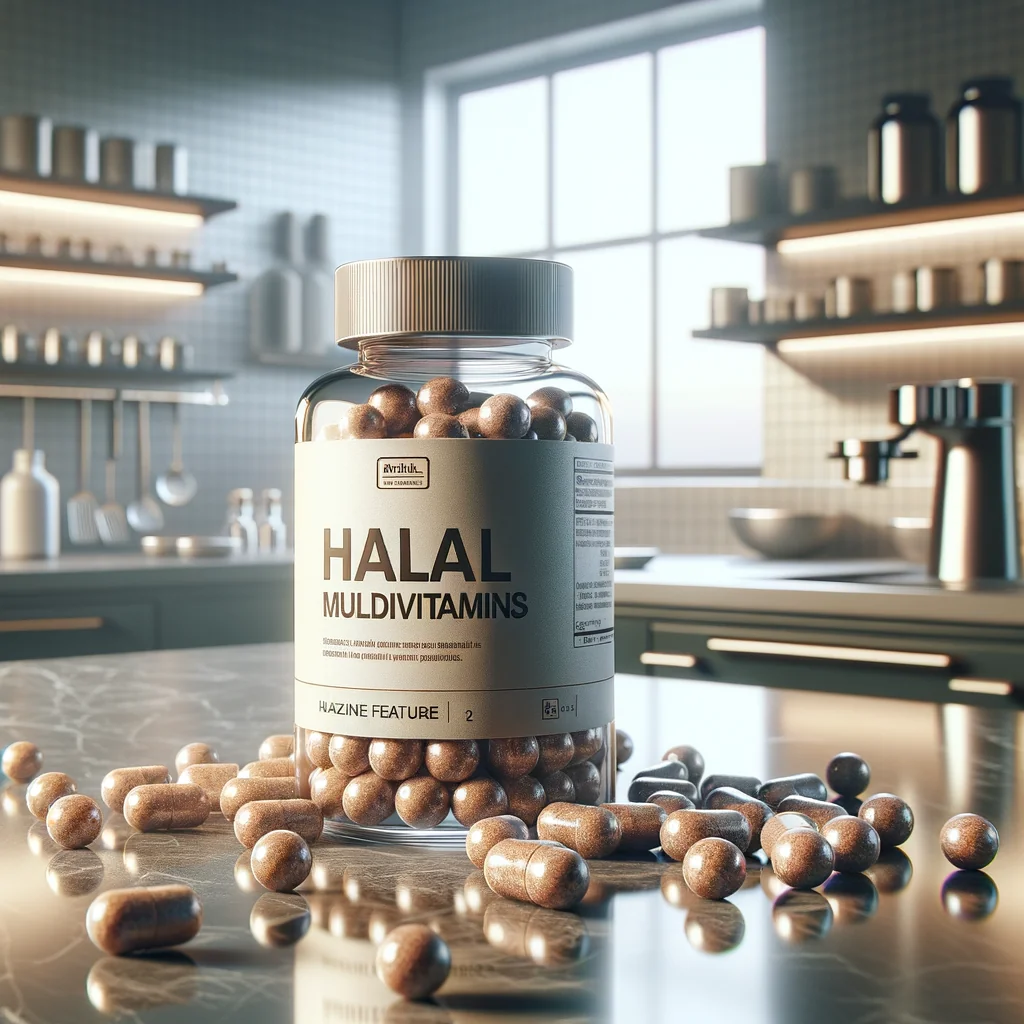
The production of multivitamins involves the use of various excipients and additives to stabilize and enhance the product. These can include ingredients such as gelatin, derived from animal sources, and colorants like Cochineal (E120), which is extracted from insects. Additionally, the use of ethanol as a solvent in the extraction process can raise concerns about alcohol content. The halal status of multivitamins largely depends on these ingredients' sources and whether they meet the strict guidelines set by halal certification bodies.
Does Multivitamins contain Gelatin?
Many multivitamins use gelatin as a binding agent. Gelatin is typically derived from bovine or porcine sources, which can make the product non-halal if the source is not specified or not certified halal. It is essential to check for halal certification or a plant-based alternative to ensure compliance with dietary restrictions.
Is Cochineal in Multivitamins Halal?
Cochineal, also known as carmine or E120, is a red dye derived from insects. While it is widely used in food and cosmetics, its halal status is disputed among scholars. Some consider it permissible due to its transformation from its original state, while others deem it non-halal due to its insect origin. Consumers should seek products with alternative colorants if they wish to avoid this ingredient.
Are there Alcohol Traces in Multivitamins?
Ethanol is sometimes used as a solvent in vitamin extraction processes. While the final product may contain negligible amounts, it can still be a concern for those strictly avoiding alcohol for religious reasons. Consumers should look for halal-certified products that guarantee no alcohol traces.
Can Multivitamins be Certified Halal?
Yes, multivitamins can be certified halal if they meet the criteria set by halal certification bodies. This involves ensuring that all ingredients, including excipients and additives, are sourced from halal origins. Certification also requires that the manufacturing process avoids cross-contamination with non-halal substances.
What Should You Look for in Halal Multivitamins?
When selecting halal multivitamins, check for a clear halal certification mark from a reputable body. Ensure that gelatin is either plant-based or certified halal, and that colorants like Cochineal are absent or replaced with halal alternatives. Additionally, verify that no alcohol is used in the extraction process or present in the final product.
Frequently Asked Questions
Is gelatin in multivitamins halal?
Can multivitamins contain alcohol?
Are there vegan options for multivitamins?
How is Cochineal (E120) viewed in halal dietary laws?
What are the common allergens in multivitamins?
Disclaimer: This report is informational and not medical advice.