Molecular Breakdown
Detailed analysis of ingredients sorted by quantity. Color codes indicate health risk based on WHO guidelines.
Nutritional Profile (100ml)
Clinical Assessment
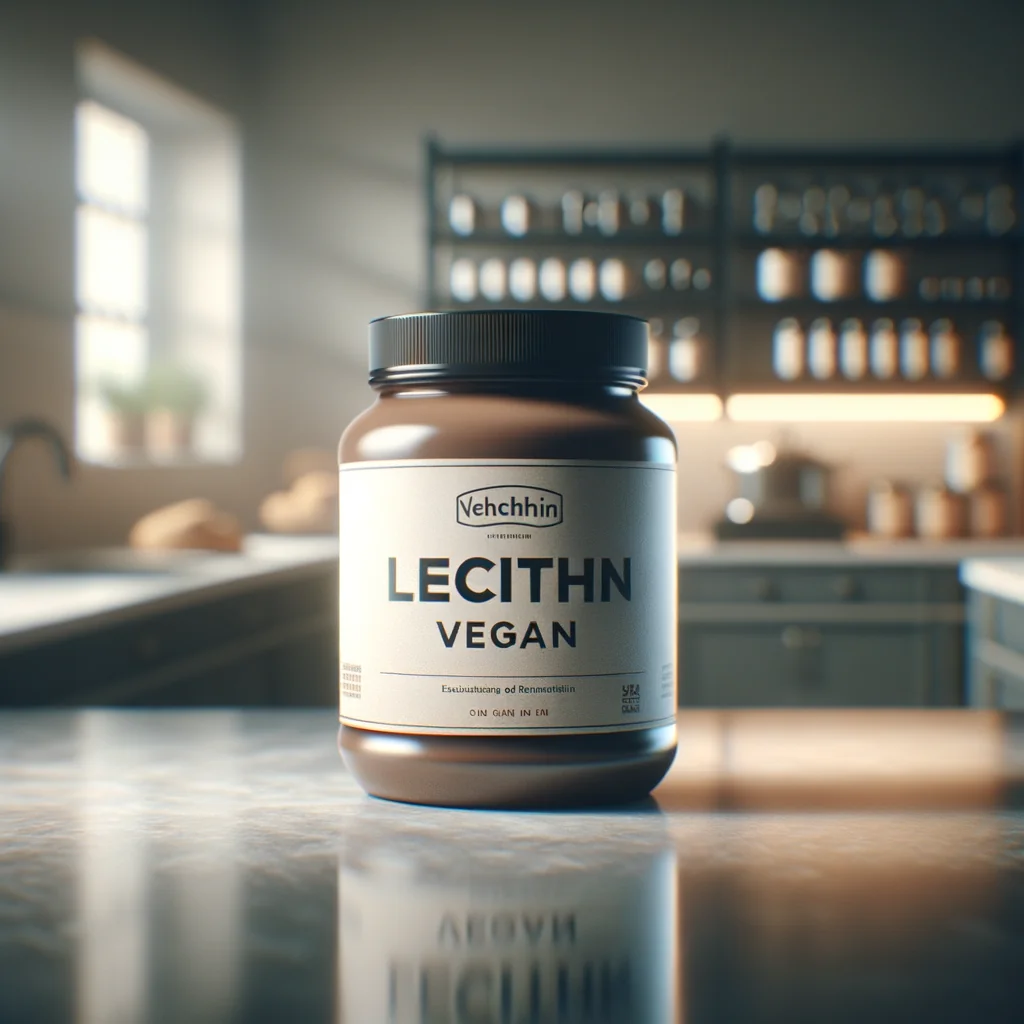
Lecithin is a common emulsifier found in many foods, often derived from soybeans. It is considered vegan as it primarily comes from plant sources, although it can also be sourced from egg yolks. The process involves extracting lecithin from the oil of soybeans, making it suitable for vegan diets.
Does Lecithin Contain Gelatin?
No, lecithin does not contain gelatin. Gelatin is a protein derived from animal collagen, whereas lecithin is typically extracted from soybeans or sunflower seeds, making it a plant-based ingredient.
Is Lecithin Safe for Vegans?
Yes, lecithin is safe for vegans. It is usually sourced from soybeans, which are plant-based. However, vegans should check product labels to ensure the lecithin used is not derived from eggs.
Can Lecithin Be Non-Vegan?
In rare cases, lecithin can be non-vegan if it is sourced from egg yolks. However, this is uncommon as soy lecithin is more prevalent and cost-effective.
What is the E-number for Lecithin?
Lecithin is identified as E322 in the list of food additives. It is widely recognized as safe and is used in various food products as an emulsifier and stabilizer.
Is Lecithin Halal?
Yes, lecithin is generally considered halal, especially when derived from soybeans. It does not contain any animal-derived ingredients, making it suitable for halal diets.
Frequently Asked Questions
Is lecithin always derived from soy?
Does lecithin contain animal products?
What are the uses of lecithin in food?
Is lecithin safe for people with soy allergies?
Is lecithin considered a natural ingredient?
Disclaimer: This report is informational and not medical advice.