
Molecular Breakdown
Detailed analysis of ingredients sorted by quantity. Color codes indicate health risk based on WHO guidelines.
Nutritional Profile (100ml)
Clinical Assessment
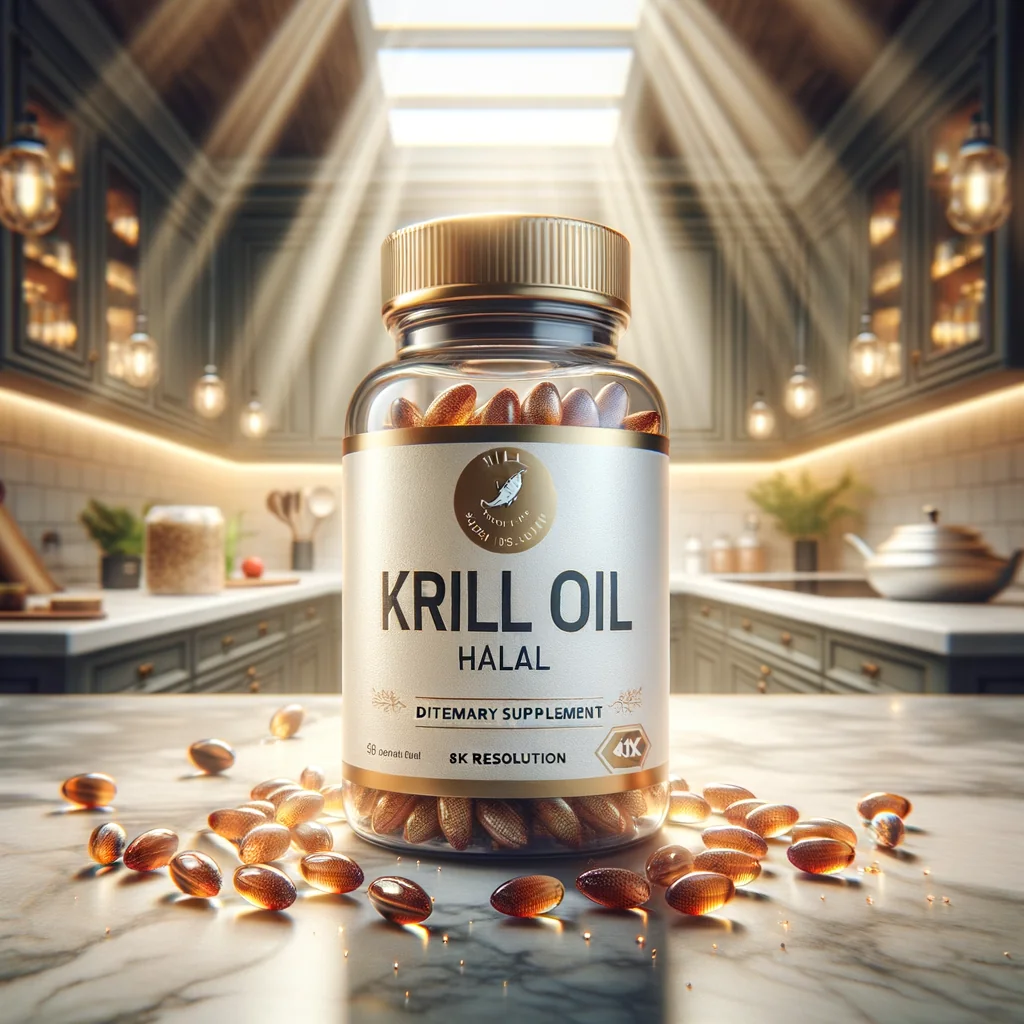
Krill oil is a popular dietary supplement derived from tiny crustaceans found in the ocean. It's known for its rich omega-3 fatty acids, which are beneficial for heart health and cognitive function. However, the production process can involve several ingredients and additives that raise questions about its halal status. One key concern is the potential use of gelatin, a common encapsulation material, which may be derived from non-halal sources.
Does Krill Oil contain Gelatin?
Most krill oil supplements are encapsulated in gelatin capsules. Gelatin is often sourced from pigs, making the product non-halal for many Muslims. Some manufacturers use bovine gelatin, which could be halal if the animals were slaughtered according to Islamic law. Checking the product's packaging or contacting the manufacturer for halal certification is advisable.
What additives are in Krill Oil?
Krill oil often contains additives like E306 (tocopherols) and E322 (lecithins). E306 is an antioxidant derived from vegetable oils and is generally considered halal. E322, however, can be sourced from soy or egg yolks. If derived from eggs, it may not be halal unless specified otherwise. Consumers should verify the source of these additives.
Is Krill Oil free from Ethanol?
Ethanol is sometimes used as a solvent in the extraction process of krill oil. While ethanol itself is not halal, its complete removal during processing may render the final product permissible. Consumers should check if the product is certified halal, indicating ethanol was not used or fully removed.
How can I ensure Krill Oil is Halal?
To ensure krill oil is halal, look for a halal certification mark on the packaging. This certification indicates that the product has been inspected and approved by a recognized halal certifying body. Additionally, consumers can contact the manufacturer for more information on the source of ingredients and the production process.
Are there vegan alternatives to Krill Oil?
For those seeking vegan alternatives, algae oil is a popular choice. It provides similar omega-3 fatty acids without the use of animal products. Algae oil is derived from marine algae and is considered both vegan and halal, making it a suitable alternative for those following a plant-based or halal diet.
Frequently Asked Questions
Does Krill Oil contain pig fat according to Diyanet?
Can Muslims consume Krill Oil with E306?
What is the halal status of E322 in Krill Oil?
Is the E-number in Krill Oil vegetarian?
Does Krill Oil contain any Mushbooh additives?
Disclaimer: This report is informational and not medical advice.