Molecular Breakdown
Detailed analysis of ingredients sorted by quantity. Color codes indicate health risk based on WHO guidelines.
Nutritional Profile (100ml)
Clinical Assessment
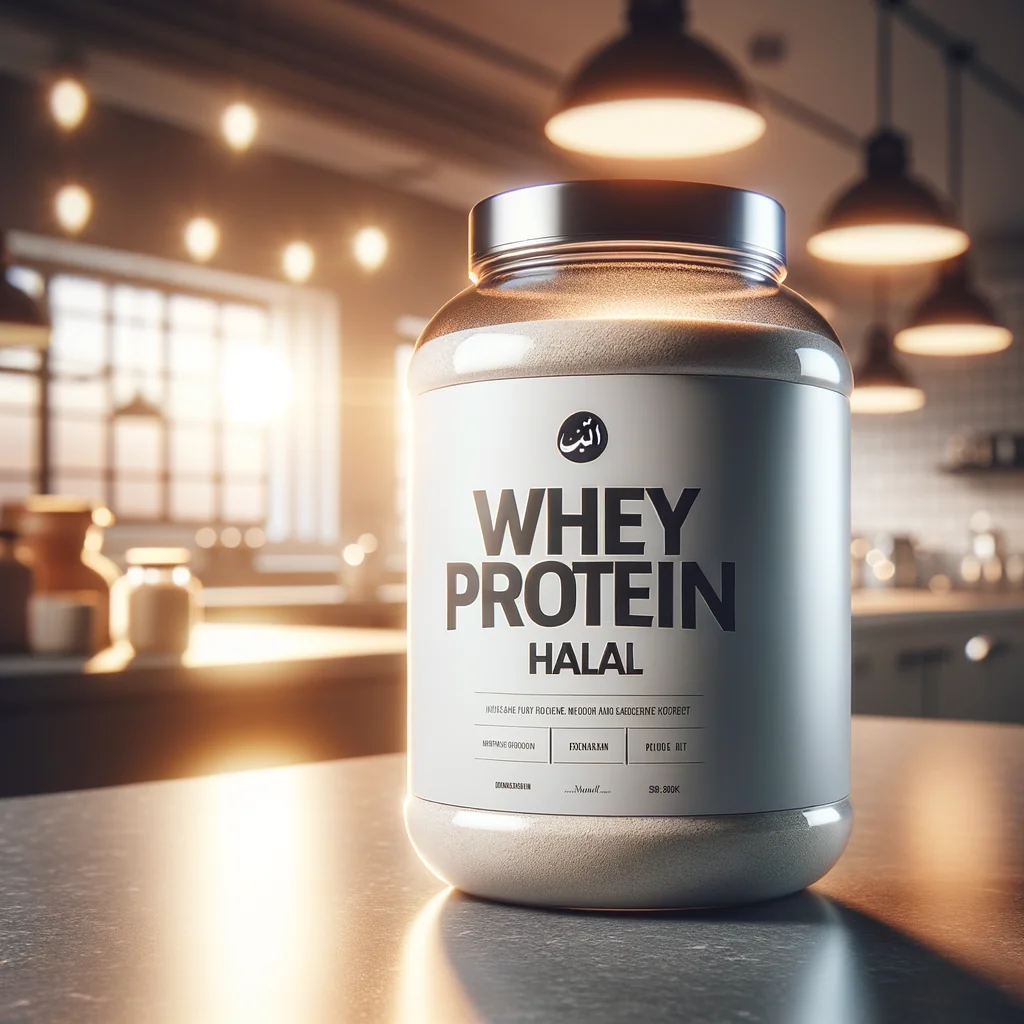
Whey protein is a popular dietary supplement derived from milk during the cheese-making process. Its halal status can be complex due to potential additives and manufacturing practices. Key concerns include the source of lecithin (E322), which can be derived from soy or eggs, and whether any porcine-derived enzymes are used in processing. Understanding these factors is crucial for determining if whey protein meets halal standards.
Does Whey Protein Contain Gelatin?
Gelatin is often used in supplements for capsule formation. However, most whey proteins are available in powder form, reducing the likelihood of gelatin presence. It's essential to check the ingredient list or contact manufacturers for confirmation. Halal-certified products explicitly state the absence of porcine or non-halal gelatin.
Is Lecithin in Whey Protein Halal?
Lecithin (E322) is a common emulsifier in whey protein. Its halal status depends on its source: soy-based lecithin is generally halal, while egg-derived lecithin requires verification of the egg's halal status. Manufacturers may provide specific information regarding the lecithin source upon request.
Are There Any Alcohol Derivatives in Whey Protein?
Alcohol derivatives, such as ethanol, are sometimes used as solvents in flavorings. In halal contexts, even trace amounts can be problematic. Most reputable brands avoid such additives, but it is advisable to verify through halal certification or direct inquiry with the manufacturer.
Can Whey Protein Contain Porcine Traces?
Porcine traces can inadvertently enter the production line through shared equipment or non-halal enzymes used in cheese production. Brands with halal certification ensure thorough cleaning procedures and sourcing from halal-compliant cheese production, minimizing this risk.
How to Verify the Halal Status of Whey Protein?
Checking for a halal certification mark is the most straightforward method. Organizations like IFANCA or the Halal Food Authority provide such certifications. Additionally, ingredient transparency and direct manufacturer communication can offer further assurance regarding the product's halal status.
Frequently Asked Questions
Does Whey Protein contain pig fat according to Diyanet?
Is the lecithin in Whey Protein halal?
Can Whey Protein be consumed during Ramadan?
Is Whey Protein gluten-free?
Are E-numbers in Whey Protein vegetarian?
Disclaimer: This report is informational and not medical advice.