
Molecular Breakdown
Detailed analysis of ingredients sorted by quantity. Color codes indicate health risk based on WHO guidelines.
Nutritional Profile (100ml)
Clinical Assessment
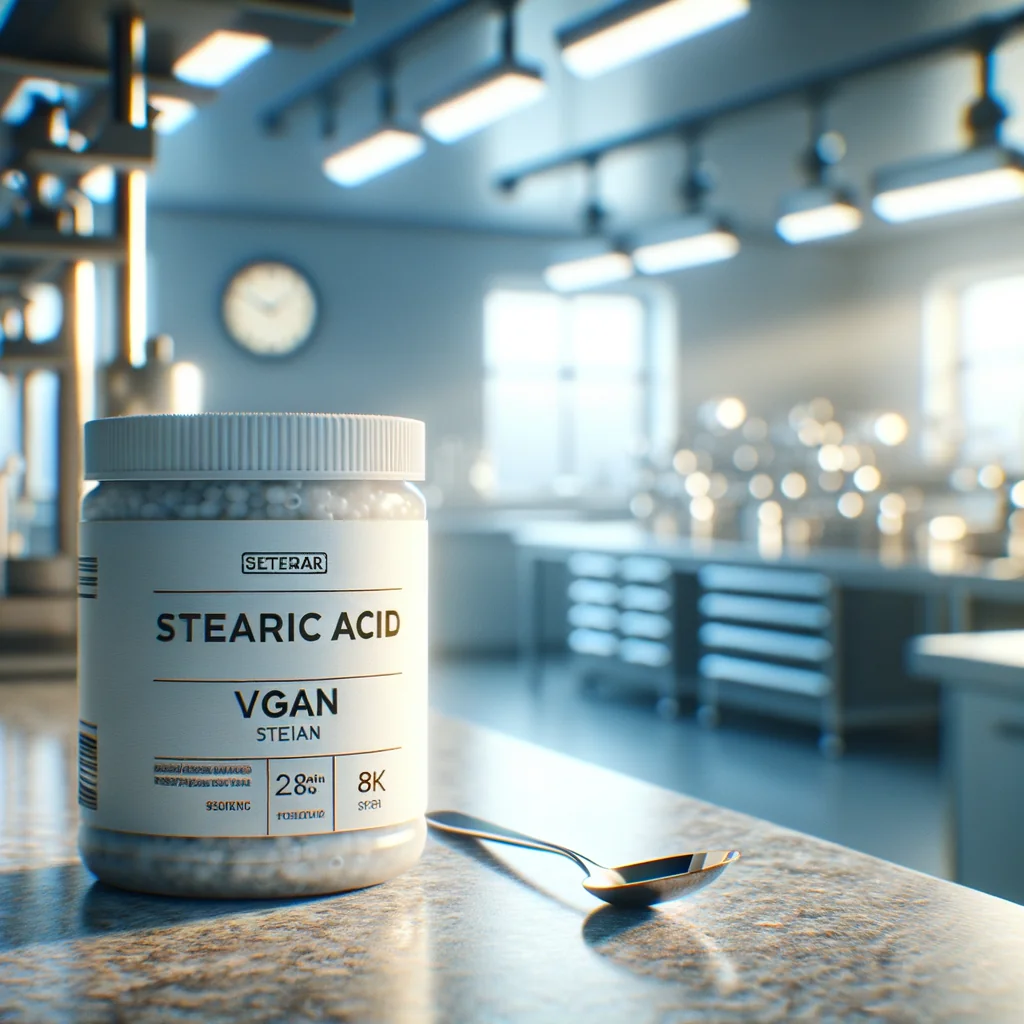
Stearic acid is a common fatty acid used in various products, often derived from animal fats like tallow or plant sources such as palm and coconut oil. Its vegan status largely depends on the source. While stearic acid can be plant-based, the lack of labeling transparency in some regions may pose a challenge for vegans.
Does Stearic Acid contain Gelatin?
Stearic acid itself does not contain gelatin. However, it can be derived from animal fats, which might raise concerns for vegans and vegetarians. It's crucial to verify the source, as plant-derived stearic acid is available and suitable for vegan diets.
Is Stearic Acid Halal?
The halal status of stearic acid depends on its source. If derived from plant sources, it is halal. However, if sourced from animal fats, particularly non-halal animals, it could be non-halal. Certification and transparency from manufacturers are essential.
What is the E-number for Stearic Acid?
Stearic acid is designated as E570 in food products. This E-number doesn't specify the source, meaning it could be either animal or plant-based. Consumers should seek additional information to confirm its suitability for vegan or halal diets.
Is Stearic Acid Safe to Consume?
Stearic acid is generally recognized as safe by food safety authorities. It is used as an emulsifier and stabilizer in foods. However, those with dietary restrictions should ensure it aligns with their ethical or religious standards.
Can Stearic Acid be Synthetic?
Yes, stearic acid can be synthetically produced. This process typically avoids animal derivatives, making it a more desirable option for vegans. Synthetic stearic acid is chemically identical to its natural counterpart.
Frequently Asked Questions
Is Stearic Acid derived from animals?
What is the E-number of Stearic Acid?
Is Stearic Acid halal certified?
Can vegans consume Stearic Acid?
Is there a synthetic version of Stearic Acid?
Disclaimer: This report is informational and not medical advice.