
Molecular Breakdown
Detailed analysis of ingredients sorted by quantity. Color codes indicate health risk based on WHO guidelines.
Nutritional Profile (100ml)
Clinical Assessment
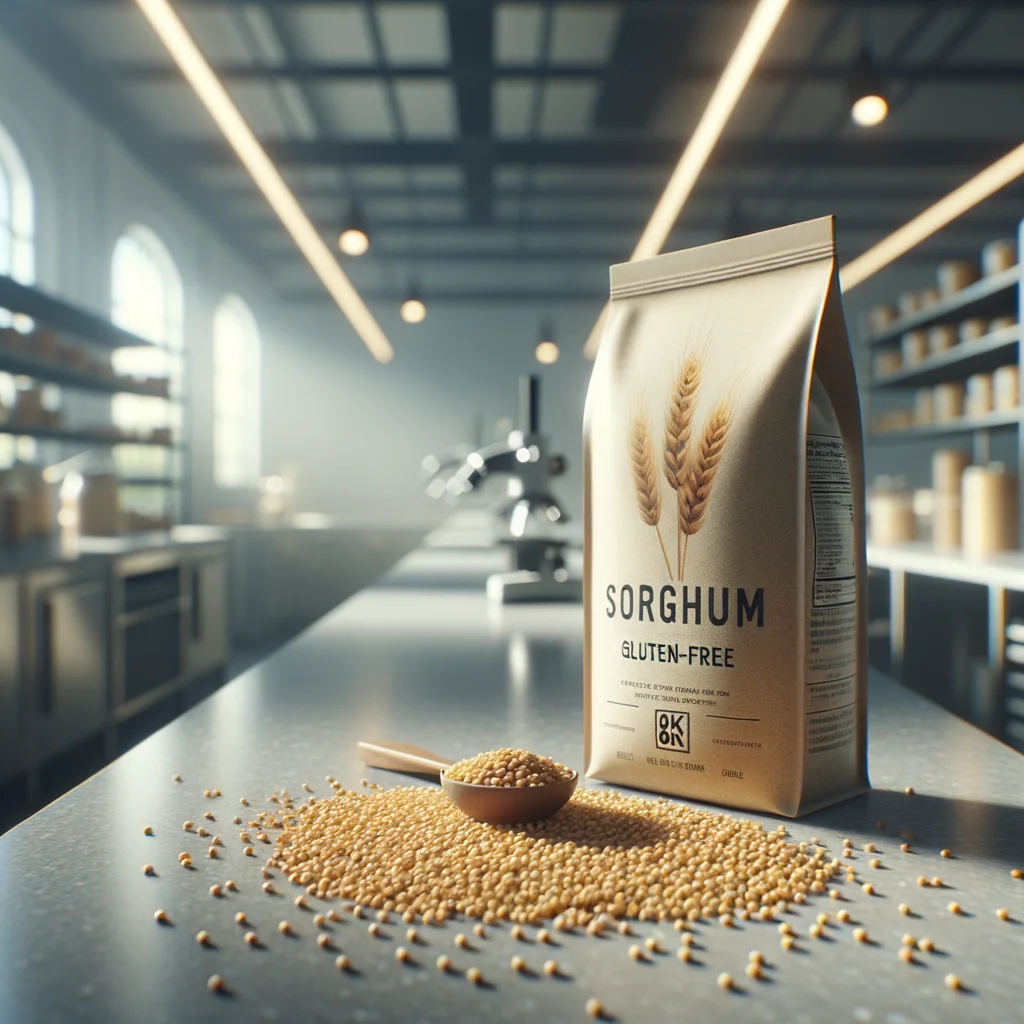
Sorghum is a naturally gluten-free grain, making it a suitable option for individuals with celiac disease or gluten sensitivity. However, cross-contamination during processing can pose a risk. Sorghum is often processed in facilities that handle wheat, barley, or rye, which can introduce trace amounts of gluten.
Does Sorghum contain Gluten?
Sorghum itself does not contain gluten. It's a cereal grain that is inherently gluten-free. However, the risk arises during its processing. If sorghum is processed in a facility that also processes gluten-containing grains like wheat, barley, or rye, there may be a risk of cross-contamination. It's crucial to look for certified gluten-free labels to ensure safety.
Is Sorghum safe for Celiac Disease?
For individuals with celiac disease, consuming gluten can trigger severe health issues. Sorghum is safe for celiac patients as it naturally lacks gluten. However, the risk of cross-contamination must be considered. Purchasing sorghum that is certified gluten-free can mitigate this risk, ensuring it hasn't been contaminated during processing.
Can Sorghum be contaminated with Wheat?
Yes, contamination can occur if sorghum is processed in the same facilities as wheat. Cross-contamination is a significant concern for those with celiac disease or gluten intolerance. To avoid this, consumers should look for products labeled as gluten-free, which indicates that the product has been tested and verified to contain less than 20 ppm of gluten.
What is the nutritional profile of Sorghum?
Sorghum is a highly nutritious grain, rich in protein, fiber, and essential minerals like iron and magnesium. It is also a good source of antioxidants, which can help reduce inflammation and support overall health. Its low sugar and fat content make it a healthy addition to a balanced diet, particularly for those seeking gluten-free options.
How to ensure Sorghum is gluten-free?
To ensure sorghum is gluten-free, consumers should opt for products that bear a certified gluten-free label. This certification means the product has been tested to contain less than 20 ppm of gluten, the FDA's standard for gluten-free foods. Additionally, contacting manufacturers for more information about their processing practices can provide additional assurance.
Frequently Asked Questions
Does Sorghum contain gluten according to the FDA?
Is Sorghum processed with other gluten grains?
Can Sorghum be part of a gluten-free diet?
What are the risks of gluten contamination in Sorghum?
How does Sorghum compare to other gluten-free grains?
Disclaimer: This report is informational and not medical advice.