Molecular Breakdown
Detailed analysis of ingredients sorted by quantity. Color codes indicate health risk based on WHO guidelines.
Nutritional Profile (100ml)
Clinical Assessment
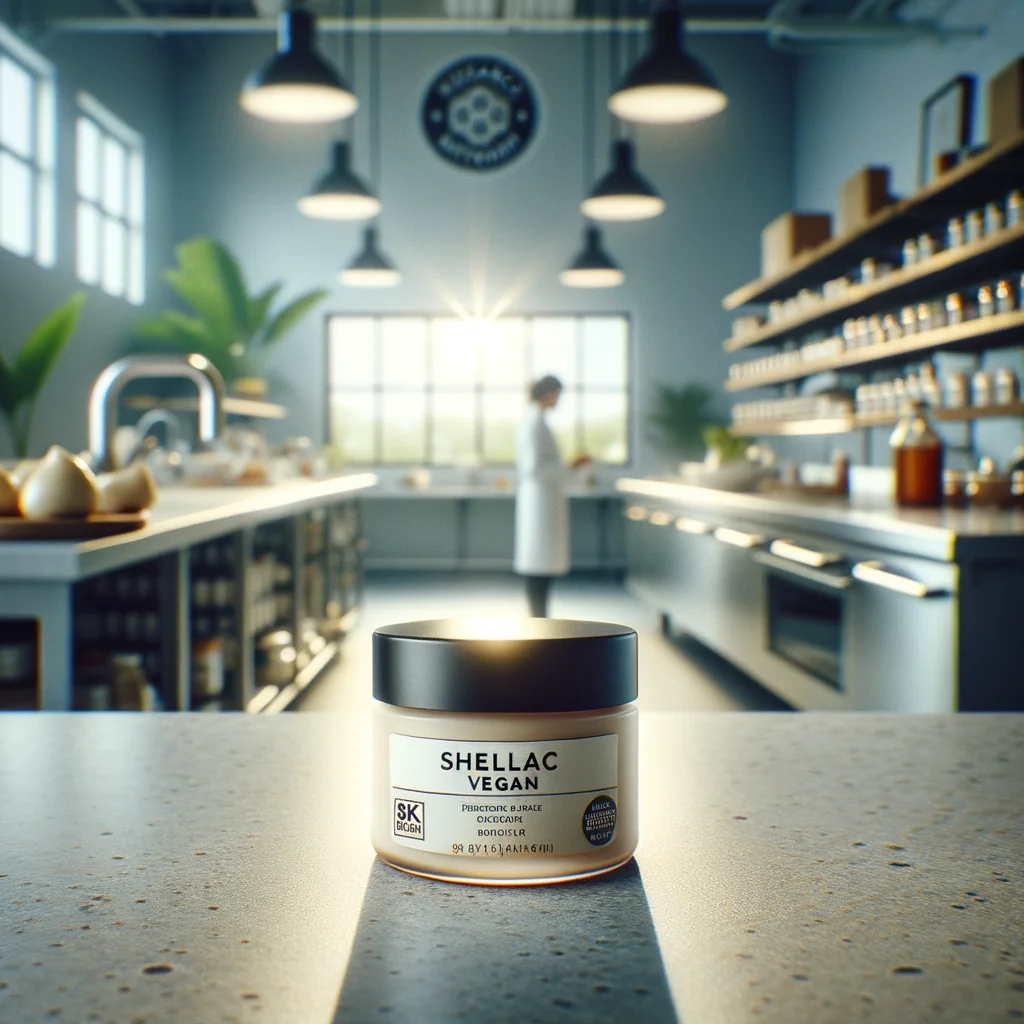
Shellac is a resin secreted by the female lac bug, on trees in the forests of India and Thailand. It is processed and used in food, cosmetics, and other industries. This makes it non-vegan as it involves the use of insects, which are considered animals. Additionally, Shellac is often used as a glazing agent in various food products, identified by the E-number E904.
Is Shellac derived from animals?
Yes, Shellac is derived from the secretions of the lac bug, making it an animal-derived product. The lac bug is a small insect, and its resin is harvested from trees. This harvesting process involves the use of millions of insects, thus classifying Shellac as non-vegan.
Can Shellac be considered Halal?
Shellac is generally considered Halal as it is derived from insects, which are not explicitly prohibited in Islamic dietary laws. However, some interpretations may vary. It is important to consult with a knowledgeable religious authority to confirm its status.
Is Shellac gluten-free?
Shellac is gluten-free as it does not contain any wheat, barley, rye, or oats. It is a resin derived from insects and does not involve any gluten-containing ingredients. Therefore, it is safe for individuals with gluten intolerance or celiac disease.
What are the uses of Shellac in food?
Shellac is used as a glazing agent in the food industry, providing a shiny coating on products such as candies, fruits, and pills. It helps in preserving freshness and enhancing visual appeal. Its use is identified by the E-number E904 in ingredient lists.
Does Shellac have any nutritional value?
Shellac has no nutritional value as it is primarily used as a coating agent. It contains no calories, fats, proteins, or sugars. Its primary function is to provide a protective and aesthetic layer on various products.
Frequently Asked Questions
Is Shellac considered vegan?
What is the E-number for Shellac?
Is Shellac used in cosmetics?
Can Shellac be used in organic products?
How is Shellac harvested?
Disclaimer: This report is informational and not medical advice.