Molecular Breakdown
Detailed analysis of ingredients sorted by quantity. Color codes indicate health risk based on WHO guidelines.
Nutritional Profile (100ml)
Clinical Assessment
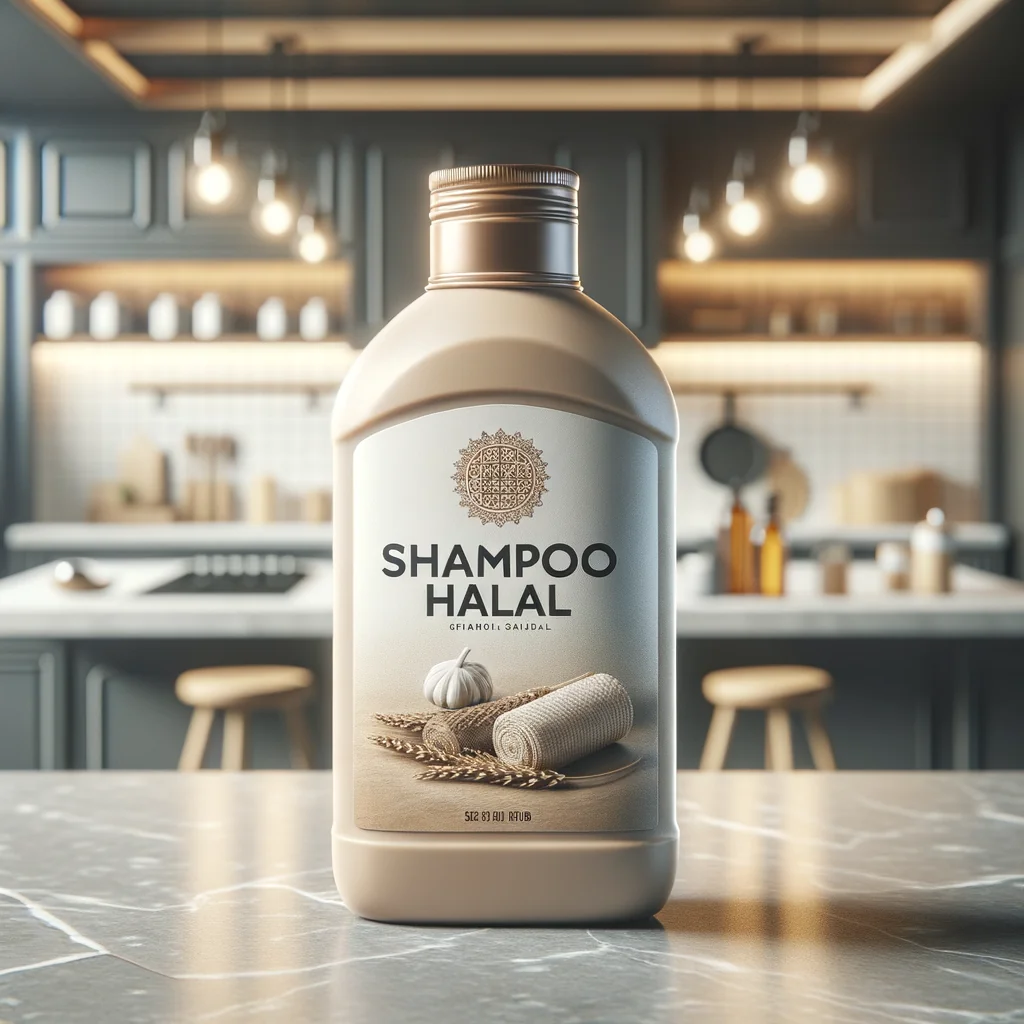
Shampoo is a staple in personal care, often comprising a blend of surfactants, fragrances, and conditioning agents. However, the halal status can be questioned due to the presence of ethanol and gelatin, which may be derived from non-halal sources. Ethanol is commonly used as a solvent, and gelatin can be used in conditioning agents, raising concerns about porcine sources.
Does Shampoo Contain Gelatin?
Gelatin in shampoos is often used as a conditioning agent. It can be derived from animal collagen, primarily from pigs or cows. If derived from pigs, it is considered haram, while bovine sources need halal certification. Checking the ingredient list for 'hydrolyzed collagen' or consulting the manufacturer is advisable for halal-conscious consumers.
Is Ethanol in Shampoo Halal?
Ethanol serves as a solvent in many shampoos. The halal status of ethanol hinges on its source and use. Synthetic ethanol is generally permissible, while fermentation-derived ethanol, especially from grapes or grains, may not be. Halal certification bodies like JAKIM or GIMDES provide guidance on acceptable sources.
Are There Hidden Animal Ingredients in Shampoo?
Shampoos may contain animal-derived ingredients not explicitly listed, such as lanolin, keratin, or stearic acid. These can originate from non-halal sources, raising concerns for halal consumers. It's crucial to verify with manufacturers or seek products with halal certification to ensure compliance with dietary laws.
How to Identify Halal-Certified Shampoos?
Halal-certified shampoos often bear a certification logo from recognized bodies like IFANCA or GIMDES. These products undergo scrutiny to ensure no haram ingredients are present. Consumers can also look for plant-based or synthetic alternatives in ingredient lists to avoid animal derivatives.
What Are Mushbooh Ingredients in Shampoo?
Mushbooh refers to ingredients that are ambiguous in their halal status. In shampoos, this can include certain surfactants or colorants with unclear animal origins. The presence of these ingredients necessitates further investigation or opting for products with clear halal certification.
Frequently Asked Questions
Can shampoo contain pig fat?
Is ethanol in shampoo considered halal?
What are common animal-derived ingredients in shampoo?
How can I ensure my shampoo is halal?
What does 'mushbooh' mean in the context of shampoo?
Disclaimer: This report is informational and not medical advice.