Molecular Breakdown
Detailed analysis of ingredients sorted by quantity. Color codes indicate health risk based on WHO guidelines.
Nutritional Profile (100ml)
Clinical Assessment
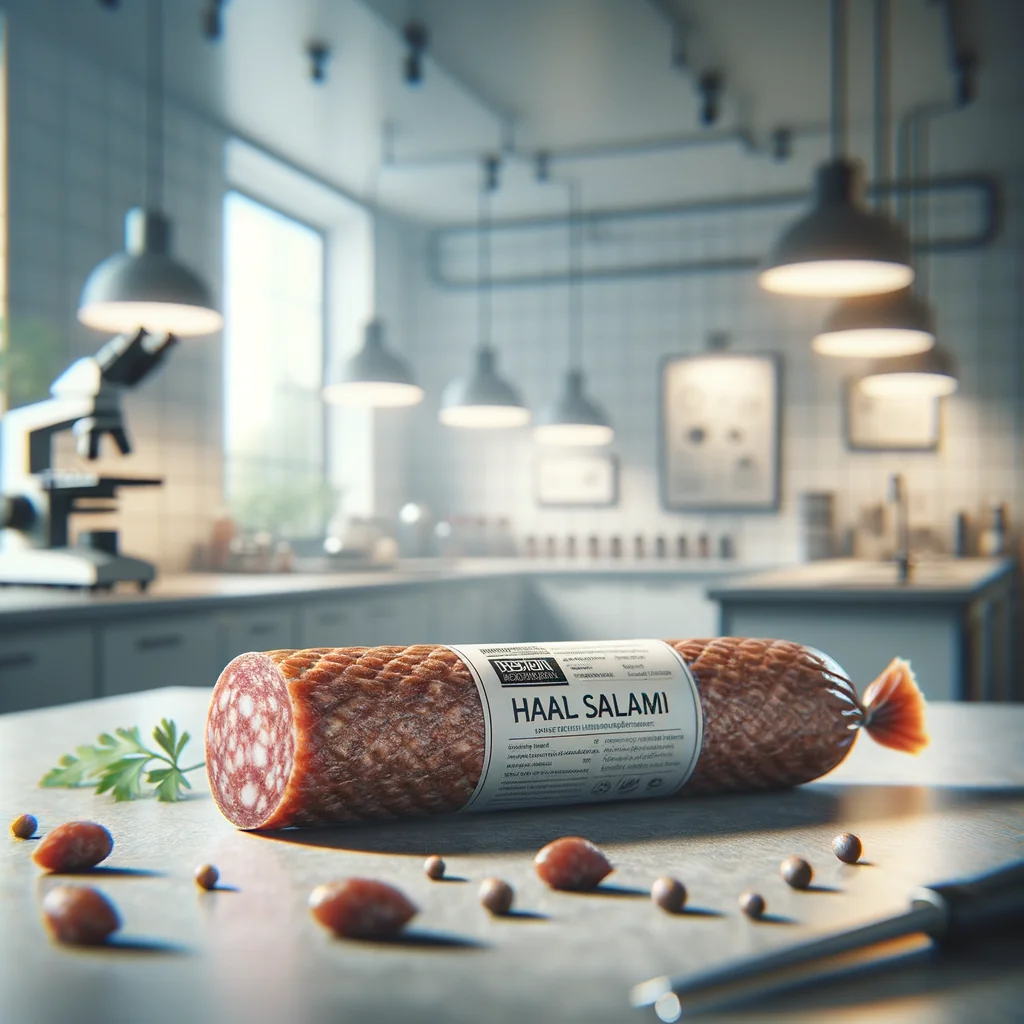
Salami is a popular cured meat product made from various meats, including pork and beef. The manufacturing process involves fermentation and air-drying, which gives it a distinct flavor and texture. However, the inclusion of certain additives like E120 (Carmine) and gelatin, which may derive from non-halal sources, raises concerns about its halal status.
Does Salami Contain Gelatin?
Gelatin is often used in processed meats for texture and binding. In salami, it can originate from pork or beef. If derived from pork, it is not halal. Even if from beef, it must be from a halal-certified source to be considered permissible for Muslim consumption. Therefore, checking the source is crucial for determining its halal status.
Is E120 in Salami Halal?
E120, or Carmine, is a red dye derived from cochineal insects. Its use in salami is problematic for halal consumers because insects are generally not considered halal. Additionally, E120's processing may involve alcohol, further complicating its acceptability. Thus, salami containing E120 is not deemed halal.
What Meat is Used in Salami?
Salami traditionally uses pork, but variations include beef, turkey, and chicken. For halal salami, it must be made from halal-certified beef or poultry. Pork-based salami is unequivocally non-halal. Consumers should verify the meat source and certification to ensure compliance with halal dietary laws.
How Does Salami's Fermentation Affect Its Halal Status?
Fermentation is a natural process that enhances flavor and preserves salami. However, if the fermentation involves non-halal ingredients like certain cultures or alcohols, it can render the product non-halal. Thus, the fermentation process must be carefully monitored and certified.
Are There Halal Salami Alternatives?
Yes, halal-certified salami alternatives are available, made with halal beef or poultry and free from non-halal additives. These products undergo strict certification processes to ensure compliance with Islamic dietary laws. Consumers should look for reputable halal certifications when purchasing salami.
Frequently Asked Questions
Does Salami contain pig fat?
What is E120, and is it halal?
How does pork affect salami's halal status?
Is the curing process in salami halal?
Can Muslims eat turkey or beef salami?
Disclaimer: This report is informational and not medical advice.