
Molecular Breakdown
Detailed analysis of ingredients sorted by quantity. Color codes indicate health risk based on WHO guidelines.
Nutritional Profile (100ml)
Clinical Assessment
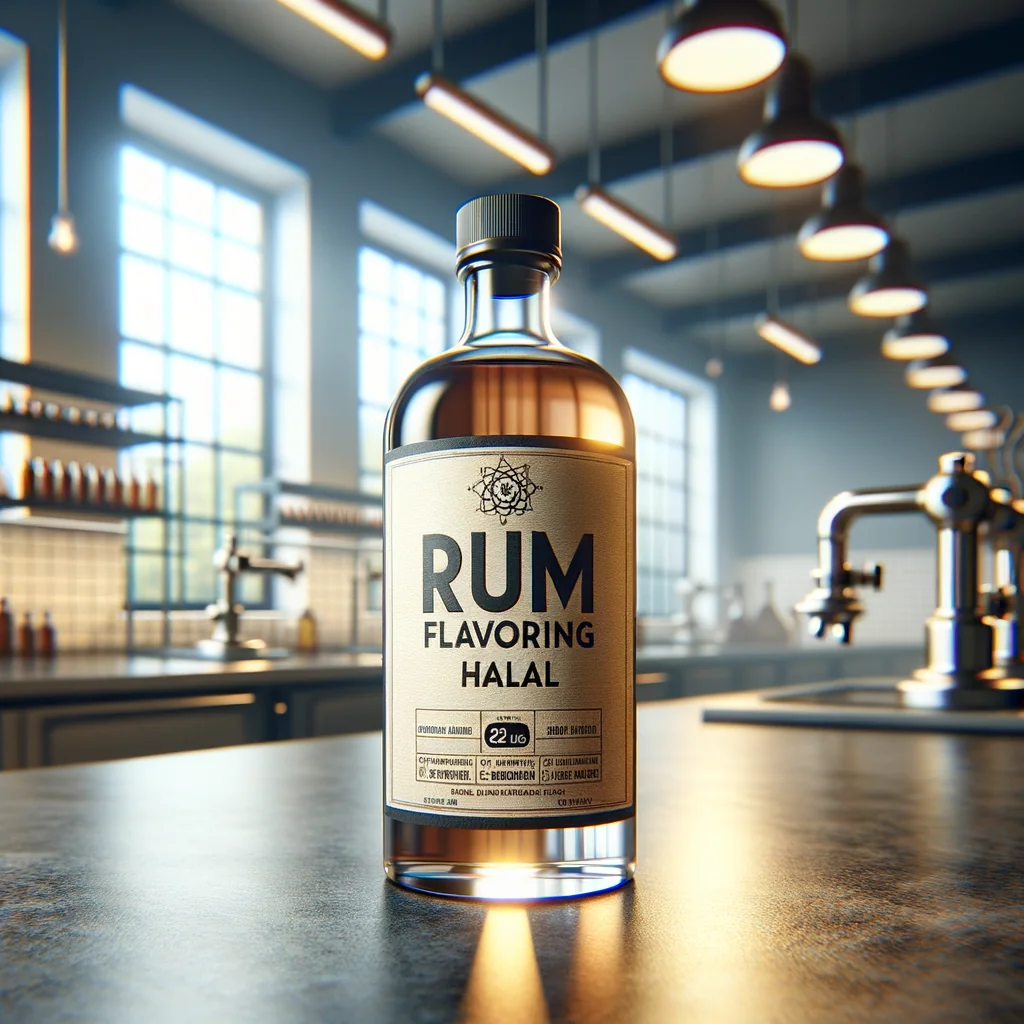
Rum flavoring is often used in baking and cooking to impart a rich, deep flavor reminiscent of rum without the alcoholic content. However, the manufacturing process of rum flavoring typically involves the use of ethanol as a solvent, which is a point of contention in determining its halal status. Ethanol is commonly used due to its effectiveness in extracting and preserving flavors. In halal dietary laws, the presence of any form of alcohol, even in trace amounts, can render a product non-halal. While the ethanol used in flavorings is often derived from plant sources, making it technically 'natural', its intoxicating nature is what raises concerns.
Does Rum Flavoring contain Gelatin?
Rum flavoring does not typically contain gelatin. Gelatin is a common gelling agent derived from animal collagen, usually from pigs or cows. It is not used in the manufacturing of flavoring agents like rum flavoring, which rely on chemical compounds and solvents to achieve their taste profile. Therefore, from a gelatin perspective, rum flavoring can be considered free from such animal-derived ingredients. However, the primary concern remains the use of ethanol as a solvent, which may affect its halal status.
Is there Ethanol in Rum Flavoring?
Yes, ethanol is often used as a solvent in rum flavoring. Ethanol is a type of alcohol that is effective in extracting and preserving the complex flavors associated with rum. The amount of ethanol in the final product can vary, but even trace amounts can be problematic for those adhering to strict halal dietary laws. In Islamic jurisprudence, the presence of intoxicants, including ethanol, is generally prohibited, thus making rum flavoring potentially non-halal unless certified otherwise.
What are the Hidden Ingredients in Rum Flavoring?
Besides ethanol, rum flavoring may contain other compounds like caramel color (E150a) to mimic the color of rum. These additives are typically considered safe and are used to enhance the visual appeal of the product. However, the focus for halal compliance remains on the ethanol content. It is important for consumers to check for halal certification or consult with their local religious authorities to confirm the permissibility of such products.
How is Rum Flavoring Made?
The process of making rum flavoring involves the extraction of flavors from natural or synthetic sources using solvents like ethanol. This process allows the concentrated flavor to be captured and used in culinary applications. The extracted flavors are then mixed with other compounds, such as water and colorants, to create the final product. The use of ethanol is critical in this process, but it is also the element that challenges its acceptance as halal.
Can Rum Flavoring be Certified Halal?
Rum flavoring can potentially be certified halal if the ethanol used is below a certain threshold and if it is ensured that the ethanol does not have intoxicating effects. Some halal certification bodies may allow trace amounts of ethanol if it is proven to be non-intoxicating and necessary for the flavoring process. However, this is subject to interpretation by individual certifying bodies, and consumers are advised to look for products with verified halal certification.
Frequently Asked Questions
Is Rum Flavoring considered halal if it contains ethanol?
Does Rum Flavoring use animal-derived ingredients?
What is the role of ethanol in Rum Flavoring?
Can Rum Flavoring be used in halal-certified products?
How can I verify if Rum Flavoring is halal?
Disclaimer: This report is informational and not medical advice.