
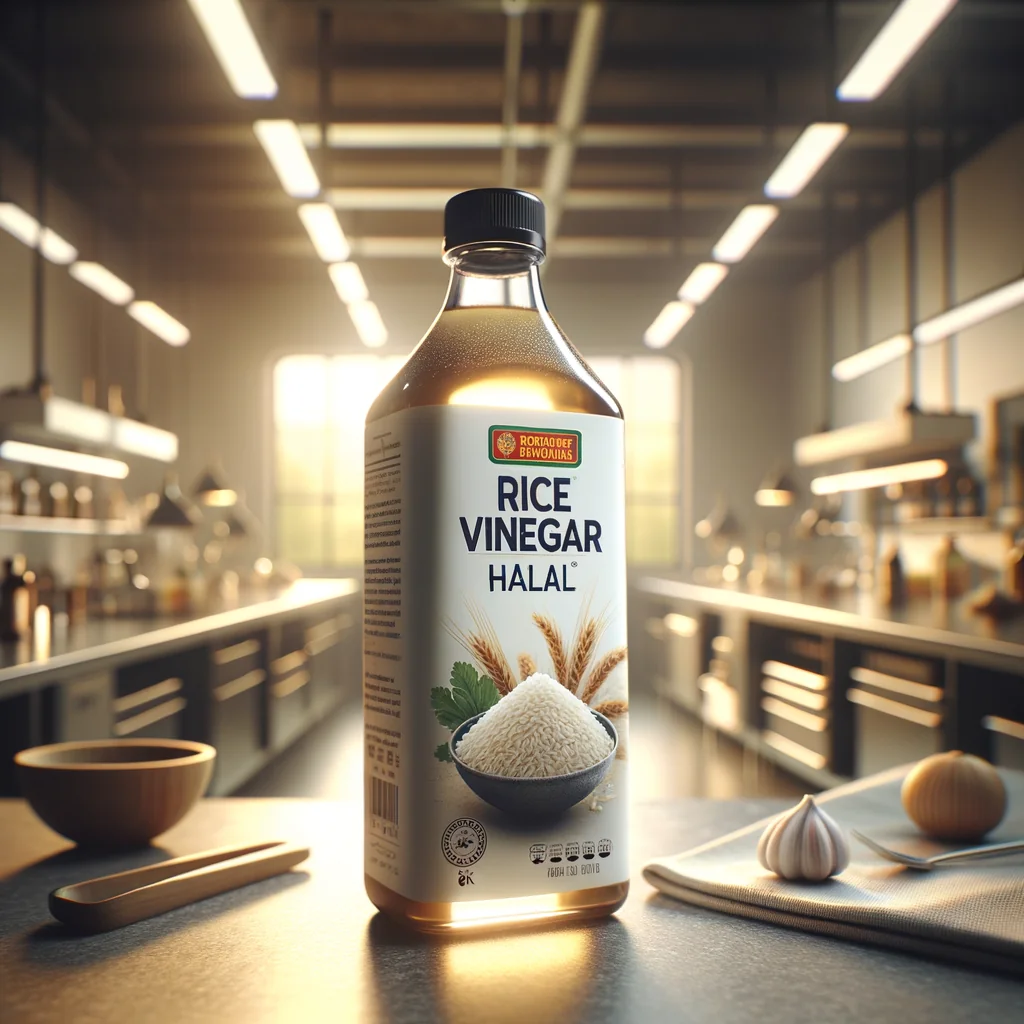
Molecular Breakdown
Detailed analysis of ingredients sorted by quantity. Color codes indicate health risk based on WHO guidelines.
Nutritional Profile (100ml)
Clinical Assessment
Rice vinegar is a staple in Asian cuisine, made by fermenting rice into alcohol and then into vinegar. The process involves converting the sugars in rice to alcohol and then to acetic acid, which gives vinegar its tangy flavor. The key concern for halal compliance is the presence of residual alcohol, which is often negligible. However, it is crucial to verify the production process and any additional flavorings or preservatives that may be added.
Does Rice Vinegar Contain Gelatin?
Rice vinegar itself does not contain gelatin. It is primarily made from rice and water, undergoing fermentation. However, if flavored or colored, it might include additives that need scrutiny. Always check for E-numbers or any animal-derived ingredients that might be used for stabilization or color enhancement.
Is Alcohol Present in Rice Vinegar?
Rice vinegar production involves fermentation, which initially produces alcohol. However, this alcohol is further converted into acetic acid. The residual alcohol content is typically very low, often less than 1%, which is generally considered permissible in small amounts for halal consumption. Always check labels for specific alcohol content declarations.
Is Rice Vinegar Certified Halal?
Halal certification for rice vinegar depends on the production process and the certifying body's standards. Some brands may carry a halal certification, ensuring that the production adheres to halal guidelines. It is advisable to look for trusted halal certification symbols on the packaging.
What Are Common Additives in Rice Vinegar?
Rice vinegar might contain additives like preservatives or flavor enhancers. Common ones include E260 (acetic acid) or E150d (caramel color). While these are generally halal, always verify their sources, as some caramel colors can be derived from non-halal sugars.
Can Rice Vinegar Be Used in Halal Cooking?
Rice vinegar is widely used in halal cooking, especially in Asian dishes. Its tart flavor enhances sauces and dressings. As long as the vinegar is certified halal or verified to have negligible alcohol content, it can be safely used in preparing halal meals.
Frequently Asked Questions
Does Rice Vinegar contain pig fat according to Diyanet?
Is the E-number in Rice Vinegar vegetarian?
Can I use Rice Vinegar in a halal diet?
Does Rice Vinegar need halal certification?
What is the alcohol content in Rice Vinegar?
Disclaimer: This report is informational and not medical advice.