
Molecular Breakdown
Detailed analysis of ingredients sorted by quantity. Color codes indicate health risk based on WHO guidelines.
Nutritional Profile (100ml)
Clinical Assessment
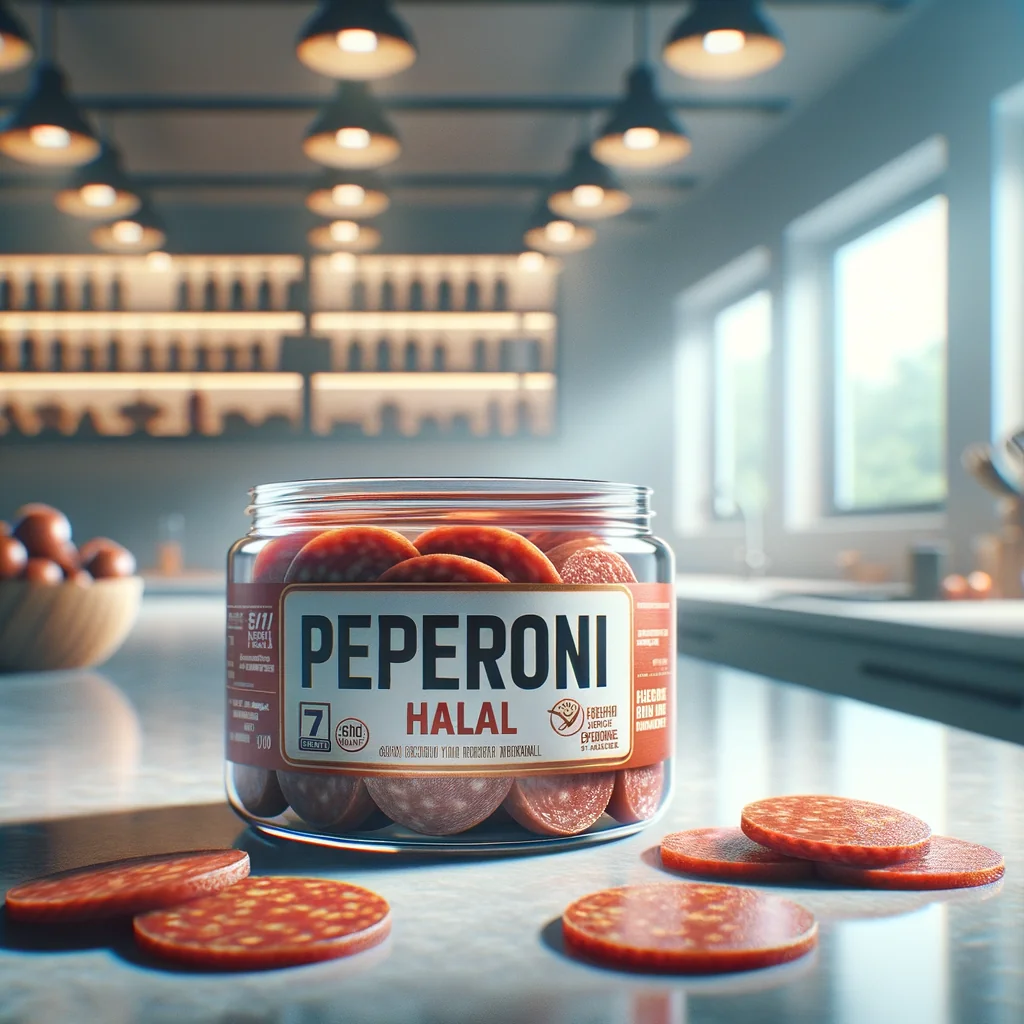
Pepperoni is a popular sausage variant known for its spicy flavor and reddish hue, often used on pizzas and in sandwiches. Manufactured primarily from pork and beef, it undergoes a curing process involving various spices and additives. The primary concern for Halal consideration is the inclusion of pork, a non-Halal meat, and the potential use of Gelatin, which may be derived from non-Halal sources. Additionally, additives like E250 (sodium nitrite) and E251 (sodium nitrate) are used for preservation and color retention. These additives are not inherently Haram, but their sources need verification for Halal compliance. The presence of pork, however, fundamentally classifies traditional Pepperoni as non-Halal.
Does Pepperoni contain Gelatin?
Pepperoni does not typically contain Gelatin as a primary ingredient. However, if Gelatin is used, it could stem from non-Halal sources, such as pork or non-Halal beef. This makes it essential to verify the source of any Gelatin present. Gelatin is often used in the food industry as a gelling agent and stabilizer. For those adhering to Halal dietary laws, Gelatin must be sourced from Halal-certified animals. Therefore, even if Gelatin is present in trace amounts, its source can impact the Halal status of Pepperoni.
What is the role of E250 in Pepperoni?
E250, also known as sodium nitrite, is a common preservative used in cured meats like Pepperoni. It helps prevent the growth of bacteria and maintains the meat's pink color. While E250 itself is not Haram, its source and method of production can affect its Halal status. Some E-numbers might be produced using alcohol as a solvent, which is not permissible in Halal practices. Therefore, for Pepperoni to be Halal, the source and production process of E250 need to be verified.
Is there any alcohol in Pepperoni production?
While Pepperoni does not typically contain alcohol as an ingredient, alcohol might be used as a solvent in the production of certain flavorings or preservatives. This can be a concern for Halal compliance. It's crucial for manufacturers to disclose whether any alcohol is used at any stage of production. For a product to be Halal, no alcohol should be present in the final product or used in processing.
Are there any Mushbooh ingredients in Pepperoni?
Mushbooh refers to ingredients that are questionable or doubtful in terms of Halal status. In Pepperoni, certain additives like E250 or E251 can fall into this category if their sources are not clearly defined. Mushbooh ingredients require further investigation to determine their Halal status. Consumers are advised to look for Halal-certified Pepperoni or consult with knowledgeable authorities if unsure about specific ingredients.
Can Pepperoni be made Halal?
Yes, Pepperoni can be made Halal by ensuring all meat used is from Halal-certified sources, such as Halal beef or chicken, and by using Halal-certified additives. The production process must avoid any cross-contamination with Haram substances, and all equipment should be thoroughly cleaned. Halal Pepperoni is available from certain producers who adhere strictly to Halal guidelines, providing a similar taste experience without compromising dietary laws.
Frequently Asked Questions
Does Pepperoni contain pig fat according to Diyanet?
Is the E-number in Pepperoni vegetarian?
Can Muslims eat Pepperoni pizza?
What makes a sausage Halal?
How to identify Halal Pepperoni?
Disclaimer: This report is informational and not medical advice.