
Molecular Breakdown
Detailed analysis of ingredients sorted by quantity. Color codes indicate health risk based on WHO guidelines.
Nutritional Profile (100ml)
Clinical Assessment
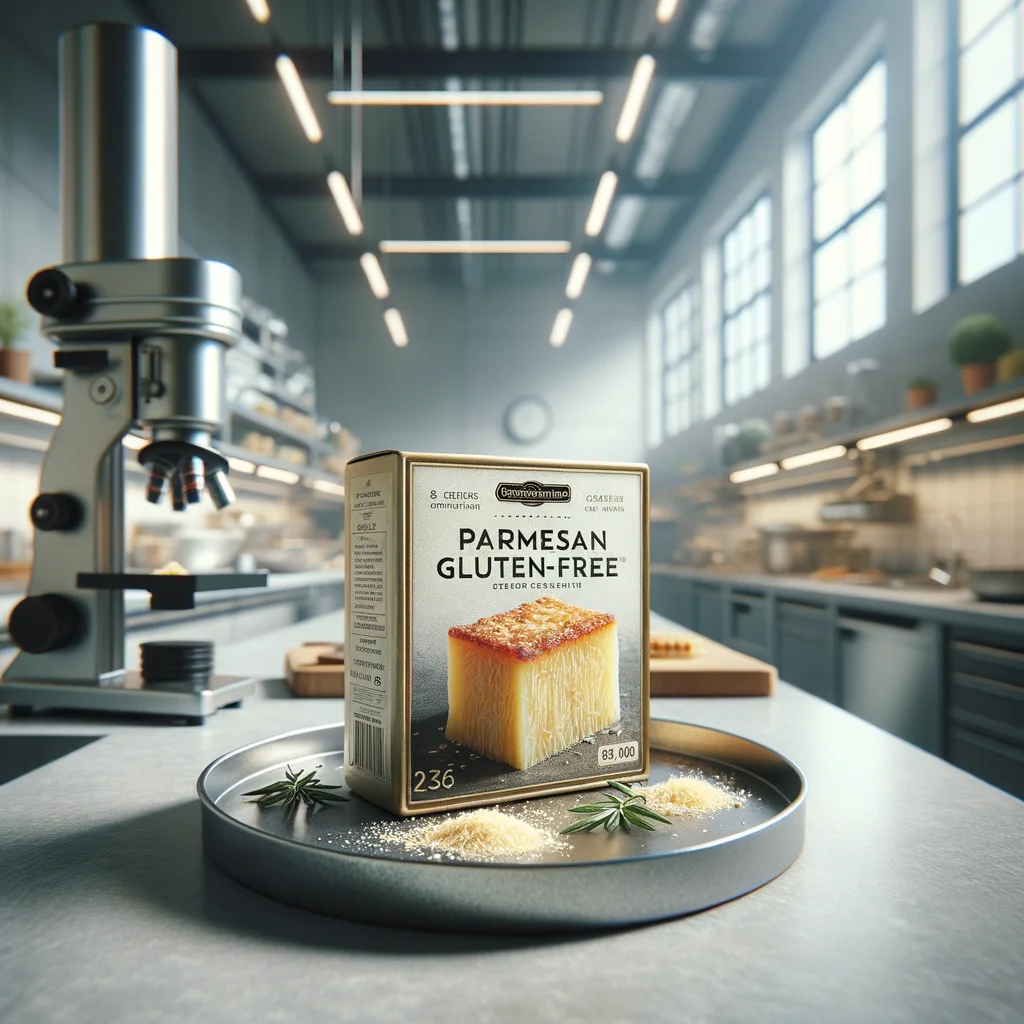
Parmesan cheese is traditionally made from cow's milk, salt, and rennet. The production process involves aging the cheese for a minimum of 12 months, during which the lactose is broken down. This aging process contributes to the cheese's rich flavor and granular texture. However, the concern for gluten-intolerant individuals is not the ingredients themselves but the potential for cross-contamination during production. Facilities that produce multiple types of cheese might use shared equipment, posing a risk of gluten contamination.
Does Parmesan contain gluten?
Parmesan cheese does not inherently contain gluten. The primary ingredients—milk, salt, and rennet—are all gluten-free. However, cross-contamination can occur if the cheese is processed in a facility that handles gluten-containing products. It's crucial for gluten-sensitive individuals to check for gluten-free certification or contact manufacturers for confirmation.
Is Parmesan safe for celiac disease patients?
For those with celiac disease, consuming gluten can trigger severe reactions. Parmesan, by its natural composition, is gluten-free. However, the risk lies in cross-contact during production. To ensure safety, look for Parmesan labeled as 'gluten-free' or certified by gluten-free organizations, which confirms that it has been tested and found to contain less than 20 ppm of gluten.
How can cross-contamination occur in cheese production?
Cross-contamination can happen when gluten-free products come into contact with gluten-containing foods or surfaces. In cheese production, shared equipment, storage, or even airborne particles in facilities that handle multiple types of grains can lead to contamination. Manufacturers must follow strict cleaning protocols and separate production lines to prevent this.
Are there gluten-free certifications for Parmesan?
Yes, some Parmesan cheeses carry gluten-free certifications, ensuring they meet the standards set for gluten-free foods. These certifications are typically from recognized organizations that verify the product contains less than a specified amount of gluten, often less than 20 ppm. Checking for these certifications can provide peace of mind for those with gluten sensitivities.
Does aging affect the gluten content in Parmesan?
Aging does not influence the gluten content in cheese. Parmesan's aging process primarily affects its texture and flavor, making it more intense and crumbly. The absence of gluten in its ingredients remains unchanged, but caution is advised regarding potential contamination during aging in shared facilities.
Frequently Asked Questions
Does Parmesan contain pig fat according to Diyanet?
Is the E-number in Parmesan vegetarian?
Can Parmesan be safely consumed by people with lactose intolerance?
Is Parmesan suitable for a kosher diet?
What is the risk of cross-contamination in Parmesan production?
Disclaimer: This report is informational and not medical advice.