
Molecular Breakdown
Detailed analysis of ingredients sorted by quantity. Color codes indicate health risk based on WHO guidelines.
Nutritional Profile (100ml)
Clinical Assessment
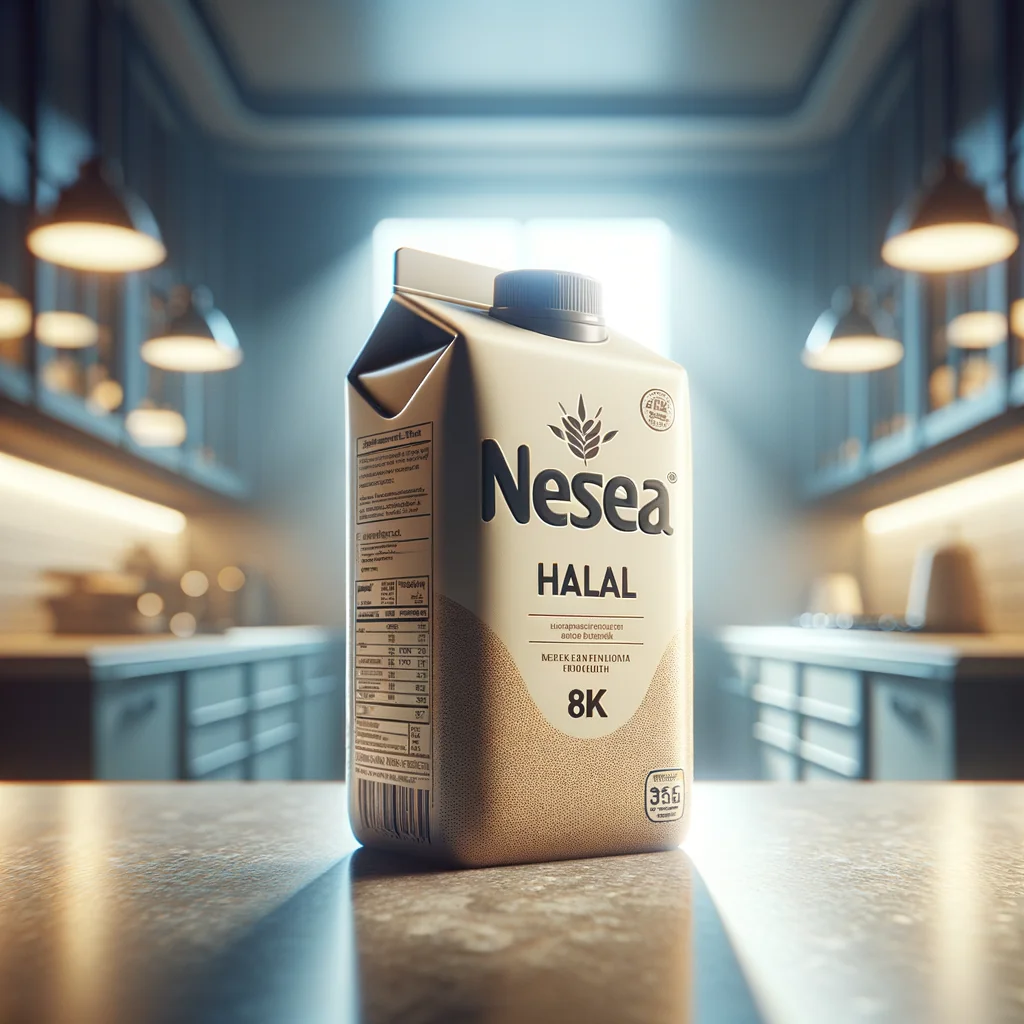
Nestea is a popular iced tea brand known for its refreshing taste. However, for those observing a halal diet, it's crucial to delve into the ingredients. The primary concerns are the presence of aspartame and natural flavors, which can sometimes originate from non-halal sources. Aspartame is a low-calorie sweetener commonly used in beverages. It is typically synthesized from phenylalanine and aspartic acid, both of which are amino acids found in protein. The production process generally involves bacterial fermentation, making it suitable for halal consumption. However, natural flavors are more ambiguous. They can be derived from both plant and animal sources, and without specific certification, their halal status remains uncertain.
Does Nestea contain Gelatin?
Nestea does not contain gelatin, which is often a concern due to its pork-derived origins in many products. Instead, Nestea uses natural flavors and citric acid as its main ingredients. Gelatin is typically used as a gelling agent in foods, but Nestea, being a liquid beverage, doesn't require such additives. This makes it more likely to fit within halal dietary guidelines, provided the natural flavors are confirmed to be plant-based or certified halal.
Is there Alcohol in Nestea?
Alcohol in beverages like Nestea is a significant concern for those adhering to halal guidelines. Nestea does not list ethanol or alcohol as an ingredient. However, it's important to consider that some flavorings might use alcohol as a solvent during processing. This is often in negligible amounts and typically evaporates. For strict halal observance, it's advisable to seek certified halal products or inquire directly with the manufacturer about their flavoring processes.
Are the Natural Flavors in Nestea Halal?
The term 'natural flavors' is broad and can be derived from various sources, including animal products. Nestea's ingredient list mentions natural flavors, which could potentially come from non-halal sources. To determine the halal status, one would need more information about the sourcing of these flavors. Many companies are moving towards transparency, so contacting Nestea for detailed ingredient sourcing is recommended for those strictly observing halal dietary laws.
Is Aspartame in Nestea Halal?
Aspartame is a synthetic sweetener used in many low-calorie drinks, including Nestea. It is generally considered halal as it is chemically synthesized from amino acids. The production does not involve any haram substances, making it suitable for a halal diet. However, some may choose to avoid it due to health concerns unrelated to halal status. Always consider personal dietary preferences and consult with a knowledgeable source if in doubt.
Can Muslims Drink Nestea?
Muslims can drink Nestea, but it is important to consider individual interpretations of halal. While Nestea does not contain any explicitly haram ingredients, the ambiguity around natural flavors and potential use of alcohol as a solvent may cause concern for some. Verifying with the manufacturer and seeking halal certification can provide peace of mind.
Frequently Asked Questions
Does Nestea contain pig fat according to Diyanet?
Is Aspartame in Nestea safe for Muslims?
Is Nestea certified by any Halal organization?
Can the natural flavors in Nestea be from animal sources?
Is there any alcohol in Nestea's production process?
Disclaimer: This report is informational and not medical advice.