
Molecular Breakdown
Detailed analysis of ingredients sorted by quantity. Color codes indicate health risk based on WHO guidelines.
Nutritional Profile (100ml)
Clinical Assessment
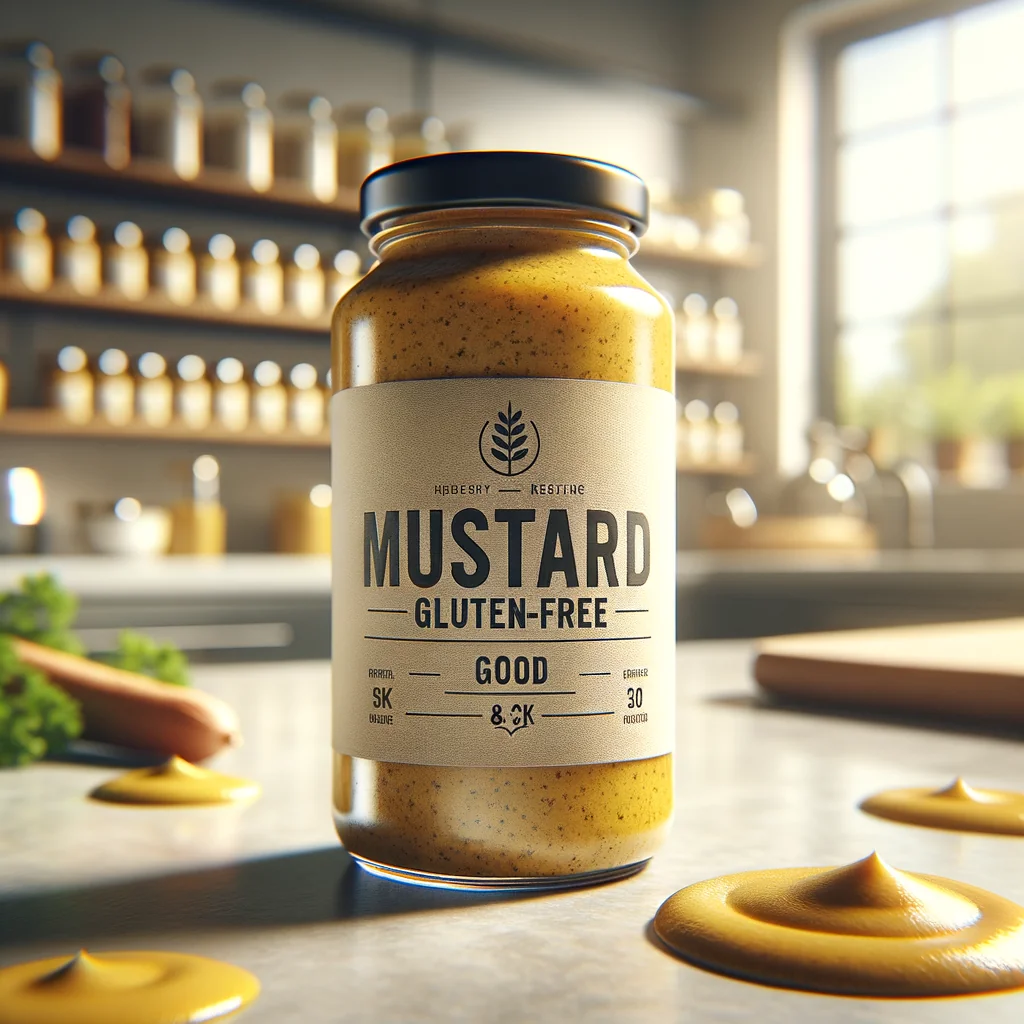
Mustard is a popular condiment known for its tangy flavor, made primarily from mustard seeds, vinegar, salt, and water. The manufacturing process involves grinding the seeds and mixing them with the other ingredients, which typically do not contain gluten. However, the risk of cross-contamination during processing or packaging in facilities that handle gluten grains like wheat, barley, or rye is a concern for those with celiac disease or severe gluten sensitivity.
Does Mustard contain Wheat?
While traditional mustard recipes do not include wheat, some commercial brands may use wheat-based vinegar or other additives. It's crucial to check the label for any mention of wheat or gluten-containing ingredients. Cross-contamination is also a risk if the mustard is processed in facilities handling gluten products.
Is Mustard safe for Celiac Disease?
For those with celiac disease, even trace amounts of gluten can trigger symptoms. Mustard itself is gluten-free, but the risk lies in cross-contamination during processing. It's recommended to choose mustard brands that are certified gluten-free to ensure safety.
Can Gluten-Free Certification be trusted?
The 'Gluten-Free' label indicates that the product contains less than 20 ppm of gluten, adhering to FDA standards. However, always verify the certification and consider contacting the manufacturer for detailed information on their production practices.
Why is Cross-Contamination a concern?
Cross-contamination can occur when mustard is processed in the same facility as gluten-containing products. Shared equipment or storage areas can introduce gluten traces, making it essential for gluten-sensitive individuals to choose brands with stringent cross-contamination controls.
What Additives should be watched?
Some mustard brands include additives like E330 (citric acid) and E415 (xanthan gum). While these are generally gluten-free, always verify their source, as production methods can vary, and cross-contamination is possible during manufacturing.
Frequently Asked Questions
Is mustard gluten-free certified?
Does mustard contain any gluten-containing additives?
Can mustard cause gluten cross-contamination?
What is the risk of gluten in mustard for celiacs?
How can I ensure my mustard is gluten-free?
Disclaimer: This report is informational and not medical advice.