
Molecular Breakdown
Detailed analysis of ingredients sorted by quantity. Color codes indicate health risk based on WHO guidelines.
Nutritional Profile (100ml)
Clinical Assessment
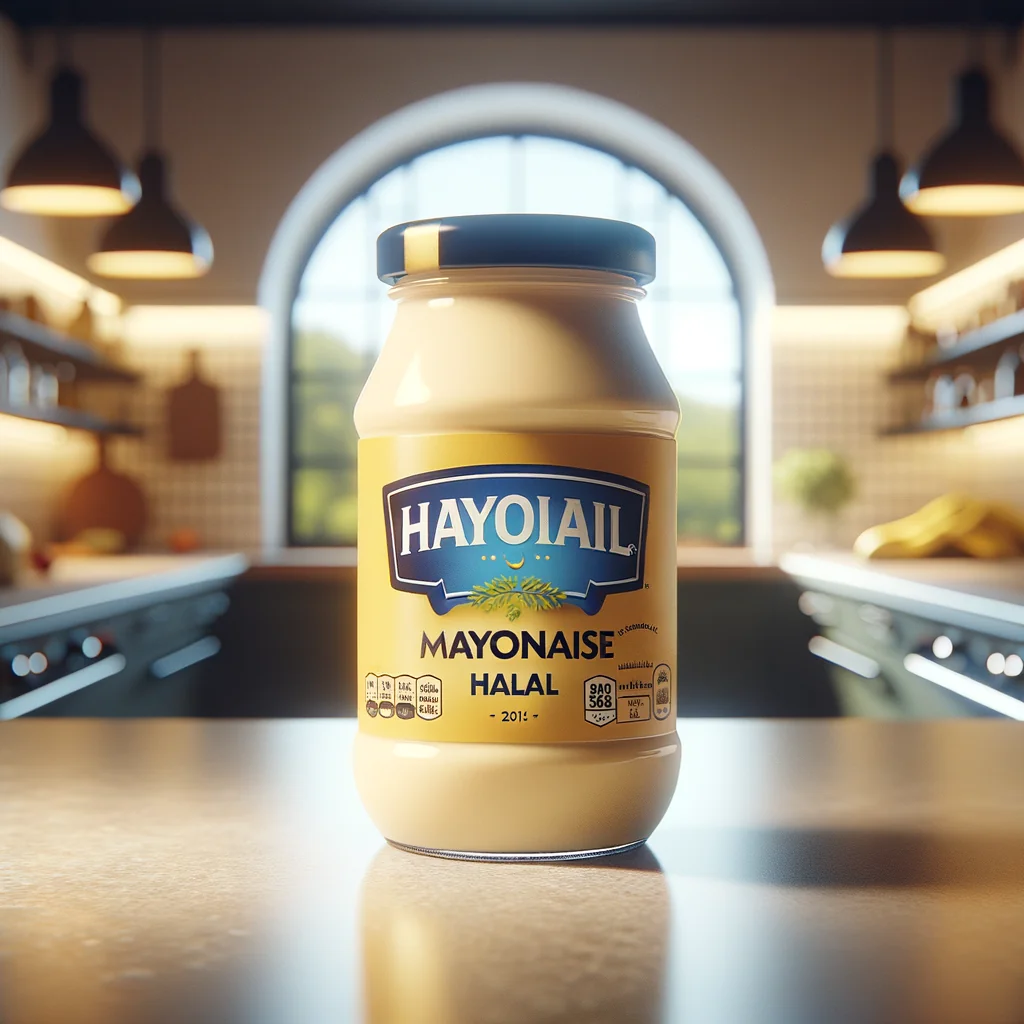
Mayonnaise is a popular condiment made from oil, egg yolk, and an acid like vinegar or lemon juice. The halal status of mayonnaise depends on the source of these ingredients and any additives used. Egg yolks are typically halal, but the concern arises with additives and emulsifiers like E415 (Xanthan Gum) and E160a (Beta-Carotene), which might be derived from non-halal sources. It is crucial to check the halal certification of the product.
Does Mayonnaise contain Gelatin?
Mayonnaise does not traditionally contain gelatin. Gelatin is an animal-derived product, often from pork, used as a gelling agent. In mayonnaise, emulsification is achieved through egg yolk, which naturally contains lecithin, a potent emulsifier. However, some brands might use gelatin in low-fat versions to thicken the product. Always check labels for any unexpected ingredients.
Is there Alcohol in Mayonnaise?
Alcohol is not a typical ingredient in mayonnaise. However, some flavorings or vinegar used might be alcohol-based. In halal-certified products, vinegar is usually derived from permissible fermentation processes. It's essential to verify the source of vinegar and any flavorings used in the mayonnaise to ensure they comply with halal standards.
Are Additives in Mayonnaise Halal?
Common additives in mayonnaise include E415 (Xanthan Gum), E330 (Citric Acid), and E160a (Beta-Carotene). E415 is a polysaccharide used as a stabilizer and is typically derived from fermented glucose, which is halal. E330 is a natural acid present in citrus fruits, and E160a is a plant-derived pigment. However, it's crucial to verify the production process for each additive to ensure no cross-contamination with non-halal substances.
Is Mayonnaise Gluten-Free?
Most mayonnaise is gluten-free, as its primary ingredients—oil, egg yolk, and vinegar—do not contain gluten. However, cross-contamination can occur in manufacturing facilities that process gluten-containing products. Always check for a gluten-free label if you have a gluten intolerance or celiac disease.
Does Mayonnaise Contain Any Animal Fats?
Traditional mayonnaise does not contain animal fats beyond egg yolk, which is an animal-derived product. Some concerns arise with certain low-fat or flavored versions that might use animal-derived thickeners or flavorings. It's essential to examine the ingredient list for any such components, especially if you adhere to a strict halal diet.
Frequently Asked Questions
Does Mayonnaise contain pig fat according to Diyanet?
Is the vinegar in Mayonnaise halal?
Are the eggs in Mayonnaise halal?
What is E415, and is it halal?
Can Mayonnaise be consumed by vegetarians?
Disclaimer: This report is informational and not medical advice.