Molecular Breakdown
Detailed analysis of ingredients sorted by quantity. Color codes indicate health risk based on WHO guidelines.
Nutritional Profile (100ml)
Clinical Assessment
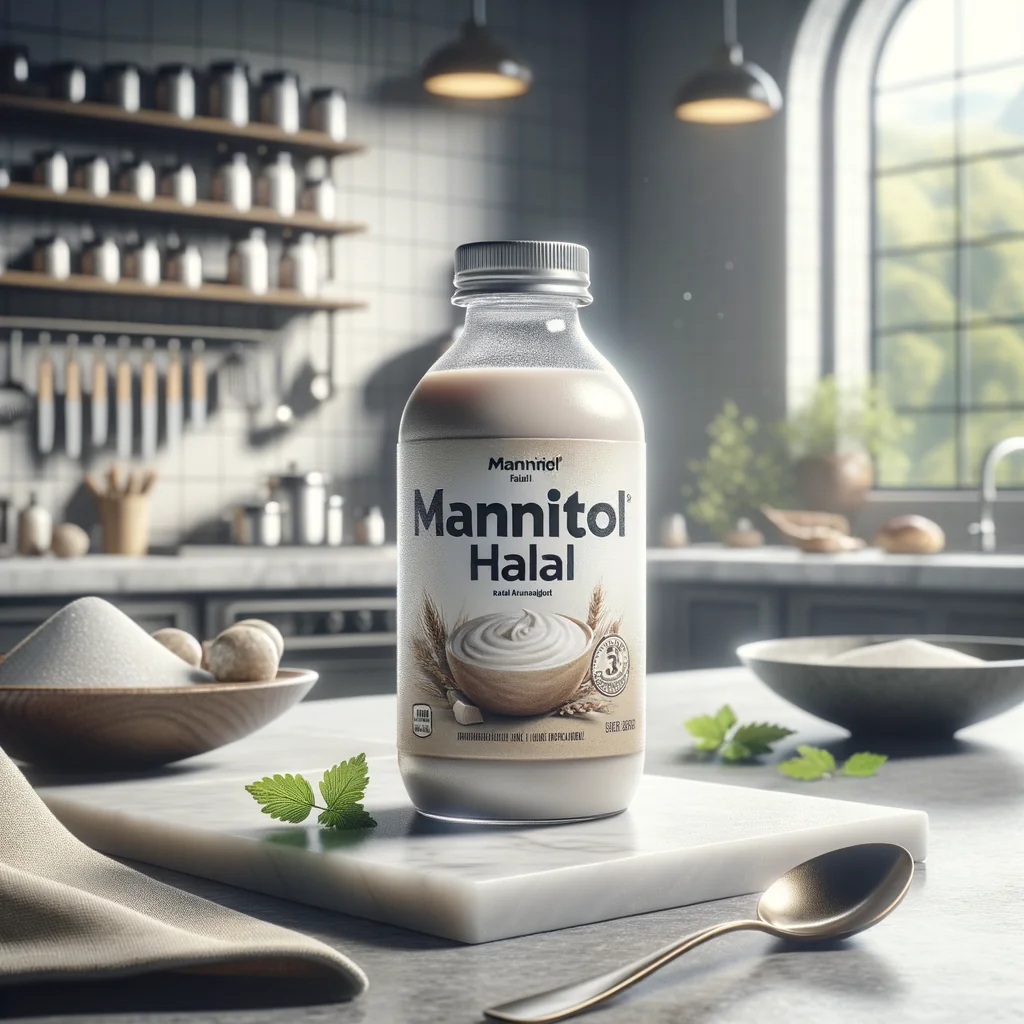
Mannitol is a sugar alcohol used as a sweetener and in pharmaceutical applications. It is industrially produced through the hydrogenation of fructose, typically derived from plant sources such as corn or wheat. While the production process itself is generally free from animal derivatives, concerns about cross-contamination and the use of shared equipment in factories can raise questions about its halal status.
Does Mannitol contain Gelatin?
Mannitol itself does not inherently contain gelatin. Its chemical structure as a sugar alcohol means it is derived from plant-based sources. However, if Mannitol is used in conjunction with other ingredients in food products, it's essential to check for gelatin, which is often derived from animal sources like pork or beef, potentially affecting its halal status.
Is the E-number in Mannitol vegetarian?
Mannitol is identified by the E-number E421, which is considered vegetarian as it is derived from plant-based sources. The E-number system helps consumers identify food additives, and E421 is widely recognized as being free from animal products. However, consumers should be aware of cross-contamination risks in manufacturing facilities.
Can Mannitol have traces of Ethanol?
During the production of Mannitol, ethanol is not typically used as a solvent. Therefore, the presence of ethanol in Mannitol is unlikely. This makes Mannitol a suitable sweetener for those observing halal dietary laws, provided it is not mixed with other non-halal ingredients.
What is the source of Mannitol?
Mannitol is primarily derived from the hydrogenation of fructose, which is sourced from plants such as corn or wheat. This plant-based origin ensures that Mannitol is generally considered halal, barring any cross-contamination or additional non-halal ingredients in its final application.
How does Mannitol impact Halal compliance?
Halal compliance for Mannitol largely depends on its source and the facility where it is processed. Manufacturers must ensure that the production process is free from contamination with non-halal substances, such as porcine derivatives, to maintain its halal status. Certification from a recognized halal authority can provide further assurance.
Frequently Asked Questions
Does Mannitol contain pig fat according to Diyanet?
Is Mannitol safe for vegetarians?
Can Mannitol be used in halal-certified foods?
Is Mannitol a sugar-free option?
Does Mannitol have any dietary restrictions?
Disclaimer: This report is informational and not medical advice.