Molecular Breakdown
Detailed analysis of ingredients sorted by quantity. Color codes indicate health risk based on WHO guidelines.
Nutritional Profile (100ml)
Clinical Assessment
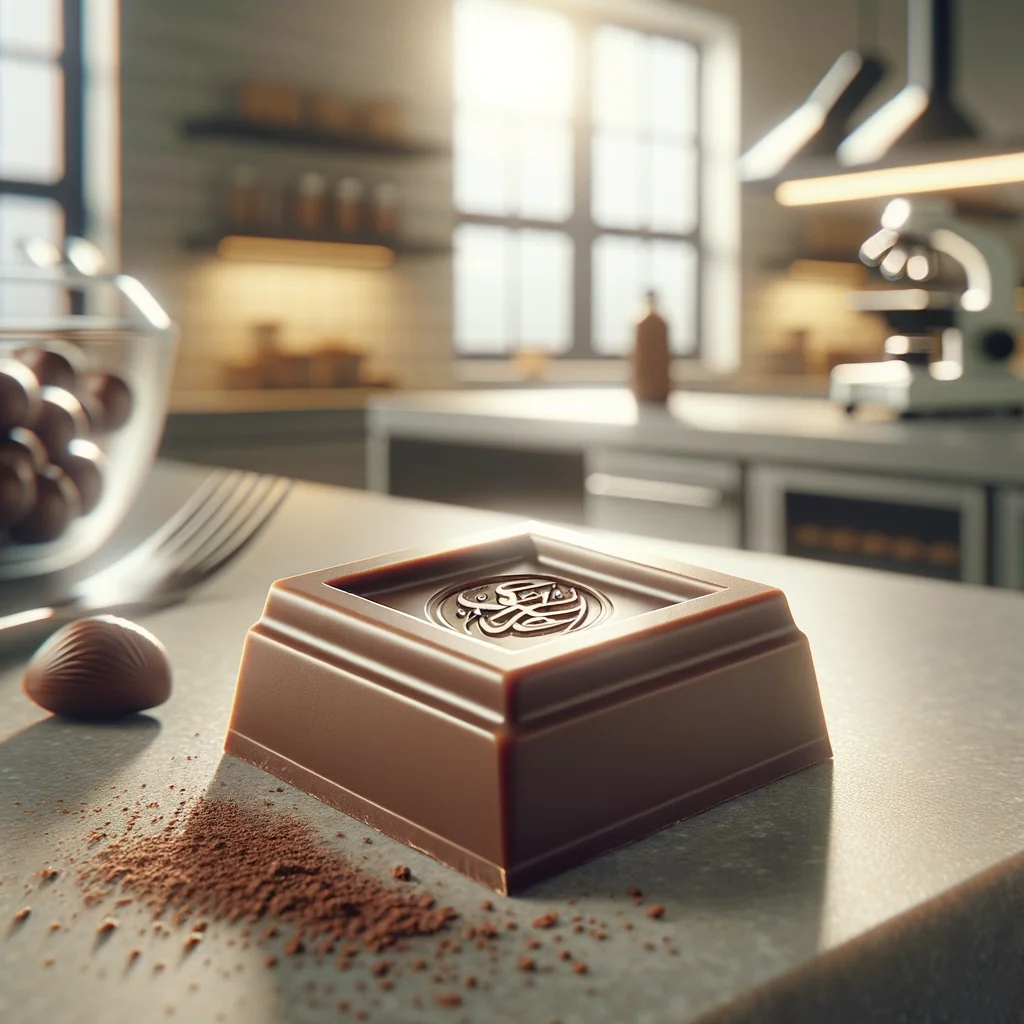
Ghirardelli Squares are a popular chocolate treat with a rich history in American confectionery. The manufacturing process involves careful selection of cocoa beans, followed by roasting, grinding, and conching to create the signature smooth texture. However, the inclusion of certain additives like E322 (lecithin) and E476 (polyglycerol polyricinoleate) raises questions about their halal status. Lecithin is often derived from soy, but may also come from eggs or animal sources, necessitating scrutiny over its origin. E476 is a stabilizer commonly used in chocolate to improve texture and flow properties. Its source can be plant-based or animal-derived, which may impact its halal suitability.
Does Ghirardelli Squares contain Gelatin?
Ghirardelli Squares do not contain gelatin, an ingredient often scrutinized for its source, particularly in halal considerations. Gelatin is typically derived from animal collagen, predominantly from pork or beef. In the case of Ghirardelli Squares, the absence of gelatin simplifies the halal assessment. The focus shifts to other ingredients, ensuring they comply with halal dietary laws. Consumers seeking halal certification should verify the source of all additives, as even plant-based alternatives can be processed using non-halal methods.
What is the source of E322 in Ghirardelli Squares?
E322, commonly known as lecithin, is a key ingredient in Ghirardelli Squares, serving as an emulsifier to blend ingredients smoothly. It is predominantly derived from soybeans, but can also originate from eggs or sunflower. In halal contexts, the source is crucial. Soy-derived lecithin is generally considered halal, but cross-contamination or processing methods may affect its status. Consumers should seek products with clear labeling or halal certification to ensure compliance with dietary restrictions.
Is E476 in Ghirardelli Squares Halal?
E476, or polyglycerol polyricinoleate, is used in Ghirardelli Squares to enhance texture and stability. Its halal status depends on its source. Typically derived from castor beans, E476 can be considered halal if not cross-contaminated with non-halal substances. However, the manufacturing process and potential use of animal-derived materials in production can complicate its status. Consultation with halal certification bodies is recommended for clarity.
Does Ghirardelli Squares have alcohol?
Ghirardelli Squares do not explicitly list alcohol as an ingredient. However, alcohol can be present in flavorings or as a solvent in some food additives. While the absence of alcohol in the ingredient list suggests compliance with halal standards, consumers should remain vigilant about hidden sources in flavorings or processing aids that may not be clearly labeled.
Are there any animal-derived ingredients in Ghirardelli Squares?
Aside from potential concerns with lecithin and E476, Ghirardelli Squares primarily use milk and soy products. Milk is generally permissible in halal diets, provided it is not contaminated with non-halal substances. The critical analysis focuses on lecithin and E476, which may be sourced from animals. To ensure compliance, consumers should look for halal certification or inquire directly with manufacturers regarding ingredient sourcing.
Frequently Asked Questions
Does Ghirardelli Squares contain pig fat according to Diyanet?
Is the lecithin in Ghirardelli Squares halal?
Can Ghirardelli Squares be consumed during Ramadan?
Are there any hidden non-halal ingredients in Ghirardelli Squares?
Is it safe for Muslims to eat Ghirardelli Squares?
Disclaimer: This report is informational and not medical advice.