
Molecular Breakdown
Detailed analysis of ingredients sorted by quantity. Color codes indicate health risk based on WHO guidelines.
Nutritional Profile (100ml)
Clinical Assessment
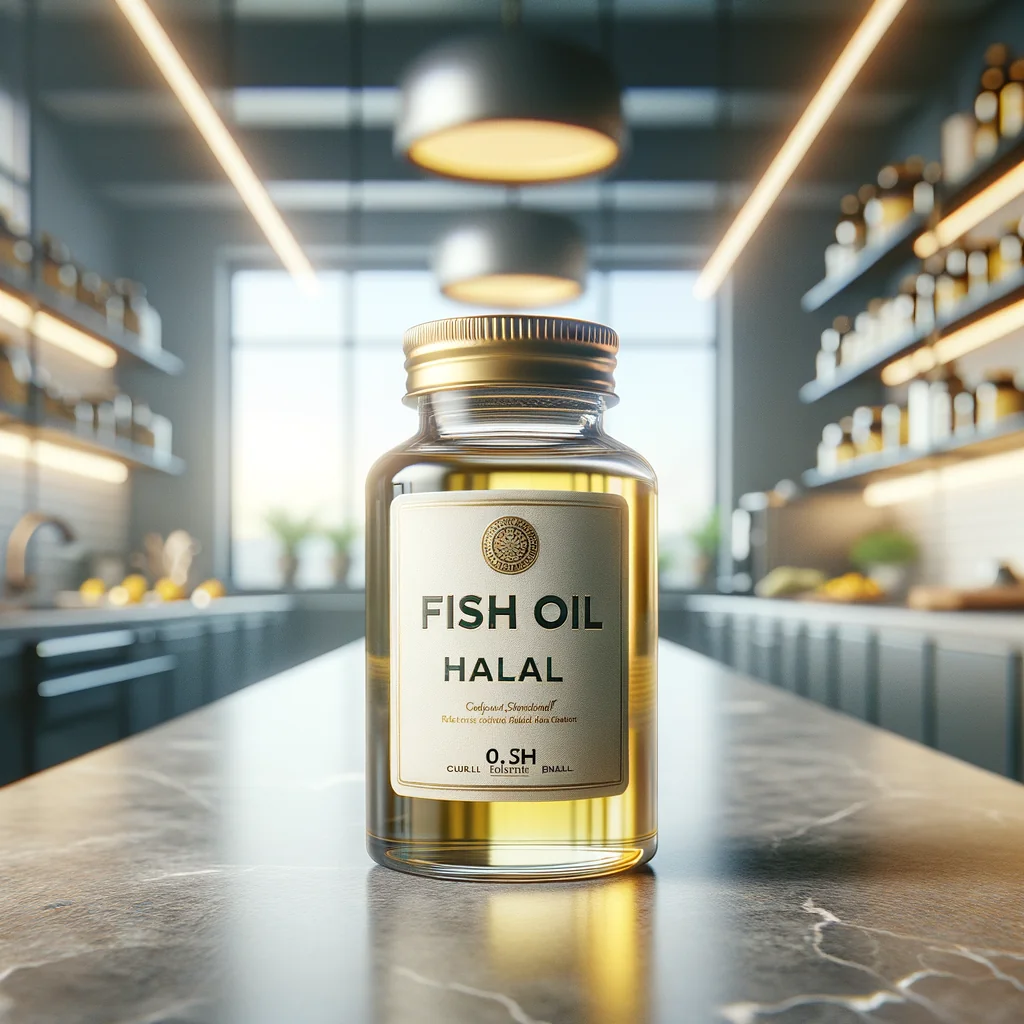
Fish oil is known for its omega-3 fatty acids, but the manufacturing process raises questions about its halal status. The use of gelatin, often derived from porcine sources, and tocopherols, which can involve alcohol in their extraction, are the main concerns. Understanding these ingredients is crucial for determining the product's compliance with halal standards.
Does Fish Oil contain Gelatin?
Many fish oil capsules use gelatin to encase the oil. Gelatin is often derived from animal collagen, particularly from pigs or cows. For a product to be halal, the gelatin must come from a halal-certified source, typically bovine. If the source is porcine, it is considered haram. It is essential to check the product label or contact the manufacturer for halal certification.
Are Tocopherols in Fish Oil Halal?
Tocopherols, or vitamin E, are used as antioxidants in fish oil to preserve its freshness. The concern arises when alcohol is used as a solvent in the extraction process. If ethanol is present, it may render the product haram. Manufacturers should provide clear information on the sourcing and processing of tocopherols to ensure compliance with halal standards.
Is Ethanol used in Fish Oil production?
Ethanol can be used as a solvent in the extraction and purification of fish oil. The presence of ethanol, a type of alcohol, can be problematic in maintaining halal compliance. When ethanol is used, it is critical to determine whether it remains in the final product or is completely removed. Products with residual ethanol are considered haram.
How to verify Halal certification for Fish Oil?
To ensure that fish oil is halal, consumers should look for reputable halal certification logos on the packaging. Certification bodies like JAKIM, IFANCA, and others provide assurance that the product meets halal standards. Checking the manufacturer's website for certification details or contacting them directly can also provide clarity.
What are Mushbooh ingredients in Fish Oil?
Mushbooh refers to ingredients that are questionable or doubtful in terms of halal status. In fish oil, ingredients like gelatin and tocopherols often fall into this category. The uncertainty arises from the source and processing methods. Consumers should seek products with transparent ingredient sourcing and halal certification to avoid mushbooh components.
Frequently Asked Questions
Is Fish Oil Halal according to Diyanet?
Does Fish Oil contain pig fat?
Can Fish Oil be considered vegan?
Is the E-number in Fish Oil vegetarian?
How to determine if Fish Oil is gluten-free?
Disclaimer: This report is informational and not medical advice.