
Molecular Breakdown
Detailed analysis of ingredients sorted by quantity. Color codes indicate health risk based on WHO guidelines.
Nutritional Profile (100ml)
Clinical Assessment
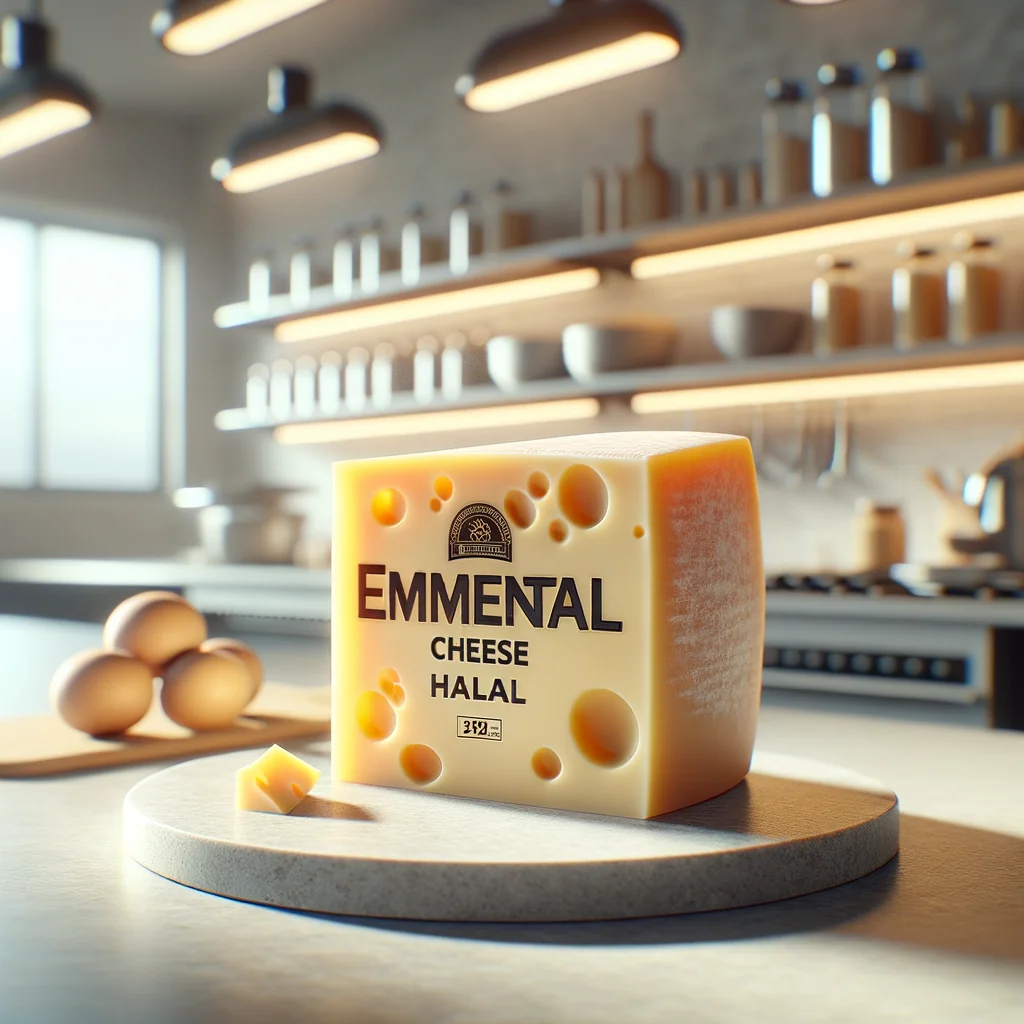
Emmental cheese, known for its characteristic holes, is traditionally made from cow's milk and involves a fermentation process that includes the use of bacterial cultures and rennet. Rennet, an enzyme that helps coagulate milk, can be derived from animal, microbial, or plant sources. The halal status of Emmental largely hinges on the source of the rennet used. If the rennet is derived from non-halal slaughtered animals, the cheese would not be considered halal. Therefore, it is crucial for those observing halal dietary laws to verify the source of rennet in their Emmental cheese.
Does Emmental contain Gelatin?
Emmental cheese does not typically contain gelatin. However, the concern for halal consumers lies in the rennet used during its production. Gelatin is not a component of cheese-making, but rennet is. If the rennet is derived from halal sources, then Emmental can be considered halal. Always check product labels or contact manufacturers to confirm the source of rennet.
Is there Alcohol in Emmental Cheese?
The traditional process of making Emmental cheese does not involve the use of alcohol. Cheese fermentation relies on bacterial cultures and rennet, without the addition of alcohol. However, some cheeses might be washed in alcohol-based solutions for flavoring, which is not common for Emmental. Always verify with manufacturers if concerned about alcohol in cheese products.
Is Emmental Cheese Vegetarian?
Emmental cheese might not be suitable for vegetarians if traditional animal rennet is used. Many cheese producers now use microbial or plant-based rennet to cater to vegetarian consumers. If vegetarian-friendly, the product will often be labeled as such. Verify with manufacturers or check for labels indicating vegetarian suitability.
Can Emmental be Kosher?
The kosher status of Emmental depends on the adherence to Jewish dietary laws during its production. This includes the source of rennet, as with halal concerns. Kosher certification ensures the cheese is made following these laws, including the use of kosher-certified rennet and production methods. Check for kosher certification on the package.
How is Emmental Cheese Made?
Emmental cheese is crafted using cow's milk, bacterial cultures, and rennet, leading to its unique taste and texture. The fermentation process creates carbon dioxide, forming the characteristic holes. The cheese is then aged to develop its flavor. The source of rennet is a significant factor for those with dietary restrictions, such as halal or vegetarian preferences.
Frequently Asked Questions
Does Emmental cheese contain animal rennet?
Is Emmental cheese gluten-free?
What makes Emmental cheese unique?
Can Emmental cheese be halal certified?
Is Emmental suitable for lactose-intolerant individuals?
Disclaimer: This report is informational and not medical advice.