Molecular Breakdown
Detailed analysis of ingredients sorted by quantity. Color codes indicate health risk based on WHO guidelines.
Nutritional Profile (100ml)
Clinical Assessment
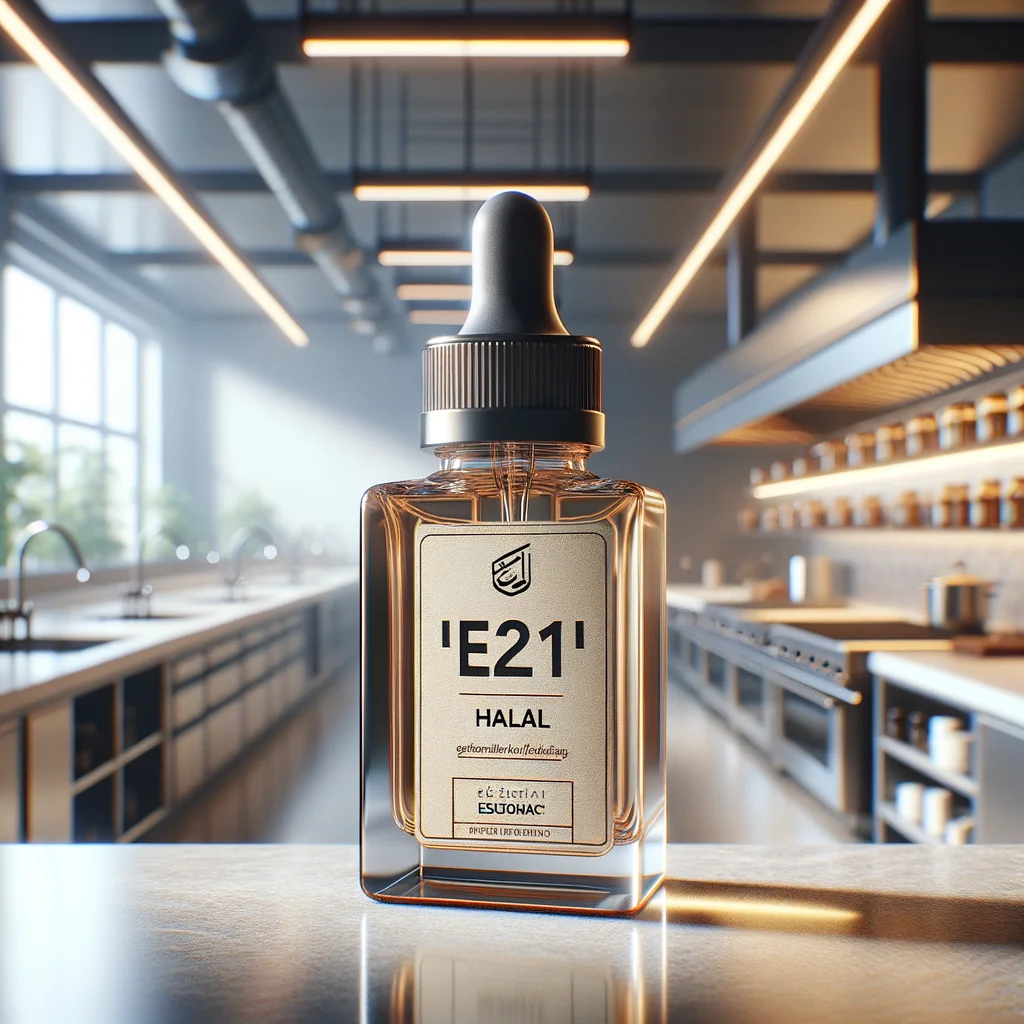
E621, also known as Monosodium Glutamate (MSG), is a common flavor enhancer. Its manufacturing involves fermenting starch, sugar beets, sugar cane, or molasses. The significant concern for halal compliance is the potential use of alcohol as a carrier solvent in its production. This process raises questions about its permissibility in Islamic dietary laws.
Does E621 contain Gelatin?
Monosodium Glutamate (E621) itself does not contain gelatin. However, the source of MSG can sometimes involve animal-derived ingredients if not carefully monitored. It's crucial for Muslim consumers to verify the halal certification of the specific product to ensure no cross-contamination with gelatin or other non-halal substances.
Is E621 derived from Pork?
E621 is not directly derived from pork. It is typically produced through bacterial fermentation, using carbohydrates such as sugar beet or cane. Despite this, the concern lies in the manufacturing process where alcohol might be used, and the lack of stringent halal certification could lead to unintentional contamination with pork derivatives.
Can E621 be considered Vegan?
Generally, E621 is considered vegan because it is derived from plant-based sources through fermentation. However, the vegan status can be compromised if the production process uses animal-derived carriers or additives. Thus, it's advisable for vegans to check product labels and certifications for assurance.
Is E621 Gluten-Free?
E621 is naturally gluten-free as it is derived from non-gluten containing sources like sugar beets and sugar cane. However, cross-contamination during manufacturing or packaging could occur if processed in facilities handling gluten-containing products. Consumers with celiac disease should seek gluten-free certified labels.
Can Alcohol be used in E621 Production?
Yes, alcohol can be used as a solvent in the production of E621. This presents a significant concern for halal compliance, as the presence of alcohol, even in trace amounts, may render the product non-halal. Consumers are advised to look for halal certification to ensure the absence of alcohol.
Frequently Asked Questions
Does E621 contain pig fat according to Islamic guidelines?
Is the E-number in E621 vegetarian?
Can E621 cause allergies?
How is E621 different from natural glutamate?
Is E621 safe for children?
Disclaimer: This report is informational and not medical advice.