Molecular Breakdown
Detailed analysis of ingredients sorted by quantity. Color codes indicate health risk based on WHO guidelines.
Nutritional Profile (100ml)
Clinical Assessment
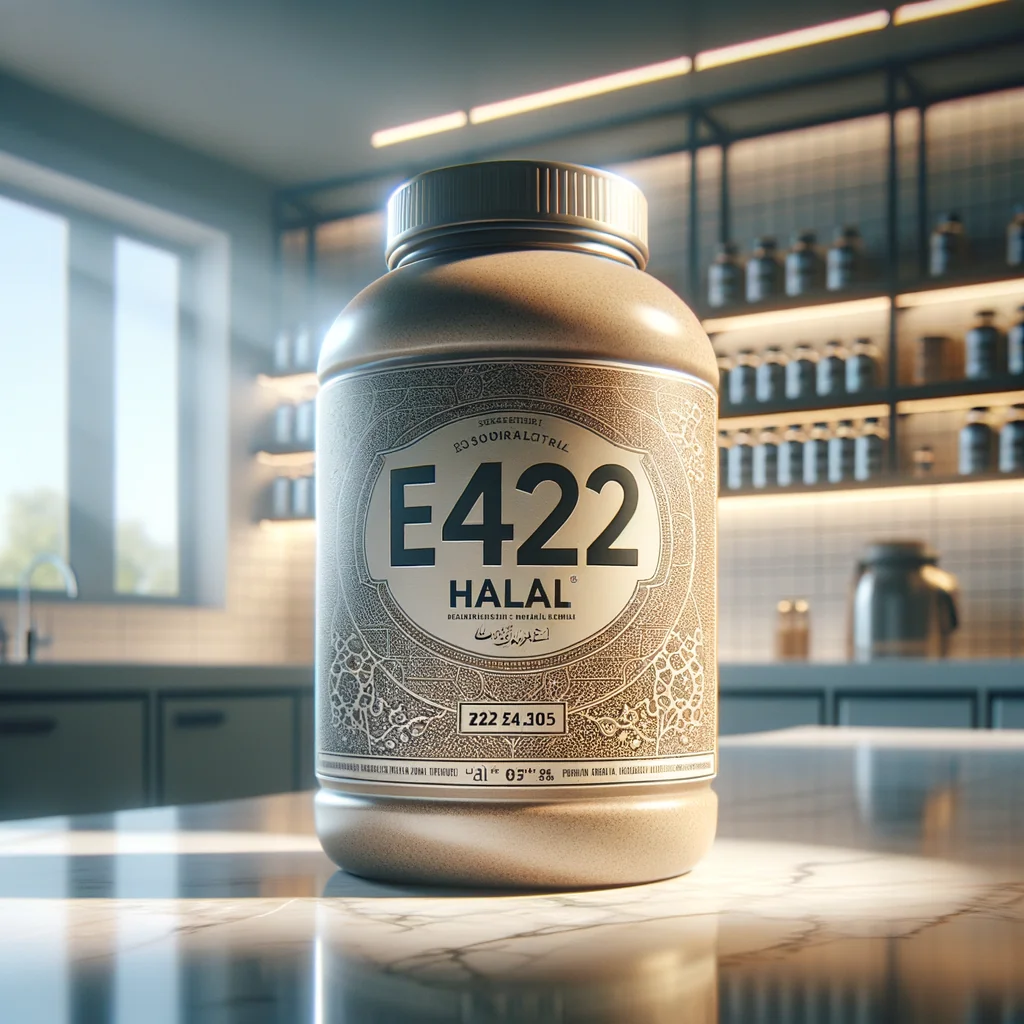
E422, also known as Glycerol, is a widely used additive in the food industry. It's primarily used as a humectant, sweetener, and solvent. The production of glycerol can involve both synthetic and natural methods. Synthetic glycerol is derived from petroleum, while natural glycerol is often sourced from animal fats or plant oils. This raises concerns about its Halal status, particularly if animal-derived.
Does E422 (Glycerol) contain Gelatin?
Glycerol itself does not contain gelatin. However, the concern arises if glycerol is derived from animal fat. If the animal source is not slaughtered according to Halal guidelines, it could be considered Haram. It's essential to identify the source of glycerol in products to determine its Halal status.
Is E422 (Glycerol) derived from Pig Fat?
Glycerol can be derived from various animal fats, including pig fat. However, many manufacturers opt for plant-based or synthetic sources due to religious and dietary restrictions. Consumers should check labels or contact manufacturers to ensure the glycerol used is Halal-certified.
What is the role of E422 (Glycerol) in food products?
E422 acts as a humectant, helping to retain moisture in food products, which extends shelf life. It also serves as a sweetener and can enhance the texture of food. Its versatility makes it a common additive, but its source must be verified for Halal compliance.
How can I ensure the Halal status of E422 (Glycerol)?
To ensure E422 is Halal, look for Halal certification on product packaging. This certification indicates that the glycerol used meets Islamic dietary laws. Additionally, consumers can reach out to manufacturers for detailed sourcing information.
Can E422 (Glycerol) be considered vegan?
Glycerol can be vegan if it is derived from plant sources or synthesized chemically. However, if it's derived from animal fats, it wouldn't be suitable for vegans. As with Halal concerns, verifying the source is crucial for those following a vegan lifestyle.
Frequently Asked Questions
Is E422 (Glycerol) made from animal fat?
Can E422 (Glycerol) be considered Halal?
Is synthetic Glycerol Halal?
What are the uses of E422 (Glycerol) in food?
Does E422 (Glycerol) have any allergens?
Disclaimer: This report is informational and not medical advice.