
Molecular Breakdown
Detailed analysis of ingredients sorted by quantity. Color codes indicate health risk based on WHO guidelines.
Nutritional Profile (100ml)
Clinical Assessment
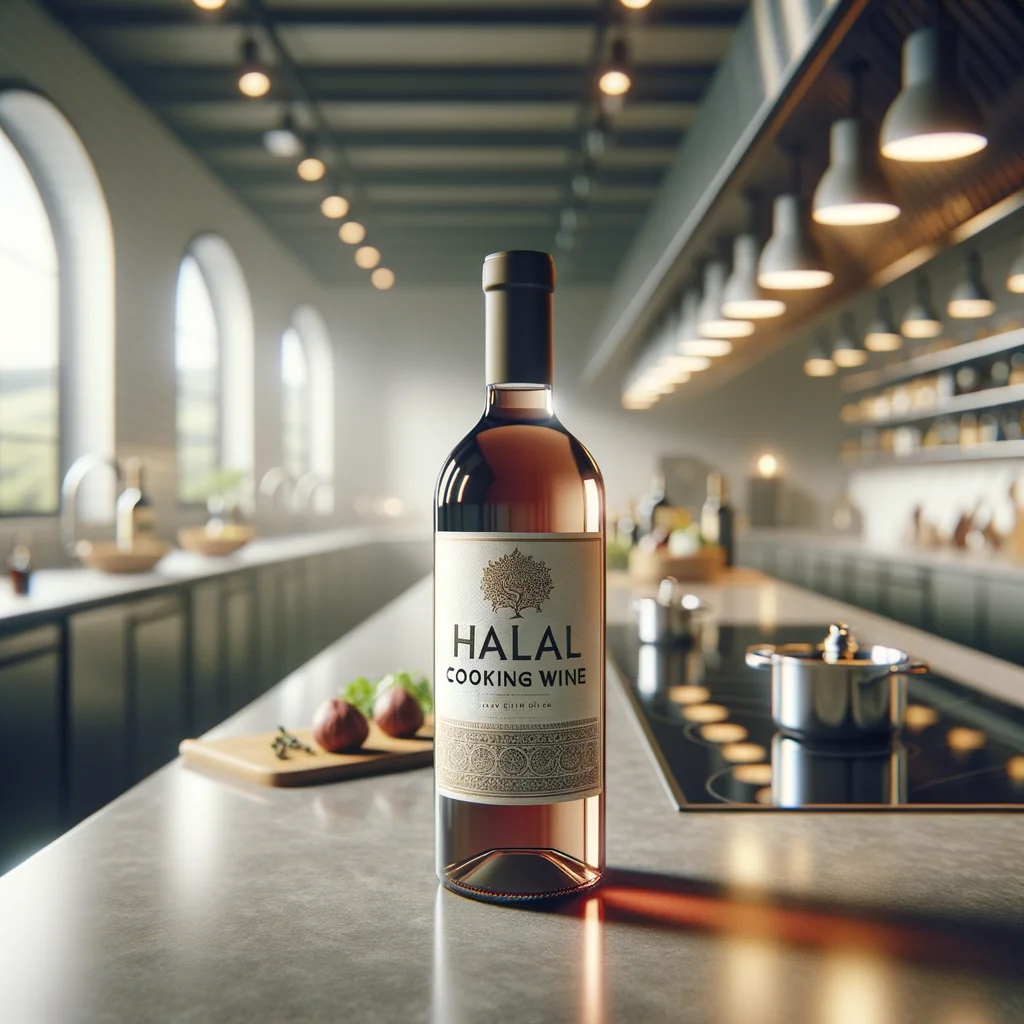
Cooking wine is a type of wine used primarily in the preparation of food. It is typically high in alcohol content, ranging from 12-20%, which is similar to table wine. The purpose of cooking wine is to enhance the flavor of the dish, as the alcohol evaporates during cooking, leaving behind the rich taste of the wine. However, the presence of alcohol makes it a controversial ingredient in halal dietary laws. The manufacturing process involves the fermentation of grapes, where sugars are converted into alcohol, making it unsuitable for those following a strict halal diet.
Does Cooking Wine contain Gelatin?
Cooking wine does not typically contain gelatin. It is primarily composed of fermented grape juice, alcohol, and sometimes added salt and preservatives like sulfites. Gelatin is not a common ingredient in wine production. However, some wines may undergo a fining process where gelatin could be used to clarify the wine. This is rare, and most cooking wines do not involve such processes. Therefore, it is important to check the specific brand and its ingredient list or contact the manufacturer for confirmation.
Is Ethanol in Cooking Wine a Halal Concern?
Ethanol, the type of alcohol found in cooking wine, is a significant concern for those adhering to halal dietary laws. Since ethanol is an intoxicant, it is considered haram in Islam. Cooking wine typically contains a high percentage of ethanol, making it unsuitable for consumption by those following halal guidelines. Even though the alcohol may evaporate during cooking, the initial presence of ethanol renders it non-halal. Therefore, Muslims seeking to maintain a halal diet should avoid using cooking wine in their meals.
Are Sulfites in Cooking Wine Harmful?
Sulfites, such as E220, are commonly used as preservatives in cooking wine to maintain its freshness and prevent oxidation. While sulfites are not inherently haram, they can cause allergic reactions in sensitive individuals. The presence of sulfites does not affect the halal status of the product but is worth noting for those with sulfite sensitivities. It is advisable for consumers to read labels carefully and consult with healthcare professionals if they have concerns about sulfite consumption.
Can Cooking Wine be Replaced in Halal Cooking?
Yes, cooking wine can be replaced in halal cooking with ingredients that do not contain alcohol. Alternatives such as grape juice, apple cider vinegar, or halal-certified cooking wines are available. These substitutes provide similar flavor profiles without the haram components. Additionally, broth or stock can be used to add depth to dishes, ensuring that the meal remains halal. It is essential to choose substitutes that align with halal guidelines and do not compromise the integrity of the dish.
Does Cooking Wine Affect the Taste of Dishes?
Cooking wine can significantly enhance the flavor of dishes by adding complexity and depth. The alcohol in the wine helps release flavors in the food that are not soluble in water, making the dish more aromatic and flavorful. However, for those following a halal diet, using alternative ingredients can also achieve similar taste profiles. By experimenting with various halal substitutes, cooks can create delicious meals without compromising their dietary restrictions. It is important to balance flavors and choose substitutes that complement the dish.
Frequently Asked Questions
Is Cooking Wine halal according to Islamic dietary laws?
Can ethanol in Cooking Wine evaporate completely?
What are some halal alternatives to Cooking Wine?
Does Cooking Wine contain any animal-derived ingredients?
Are sulfites in Cooking Wine safe for everyone?
Disclaimer: This report is informational and not medical advice.