
Molecular Breakdown
Detailed analysis of ingredients sorted by quantity. Color codes indicate health risk based on WHO guidelines.
Nutritional Profile (100ml)
Clinical Assessment
Buttermilk is traditionally a dairy product made from the liquid left behind after churning butter from cream. It is naturally gluten-free as it contains no wheat, barley, or rye. However, cross-contamination can occur if buttermilk is processed in facilities that handle gluten-containing grains. Understanding the production line and ensuring proper cleaning protocols are crucial for those with celiac disease or gluten sensitivity.
Does Buttermilk contain Gluten?
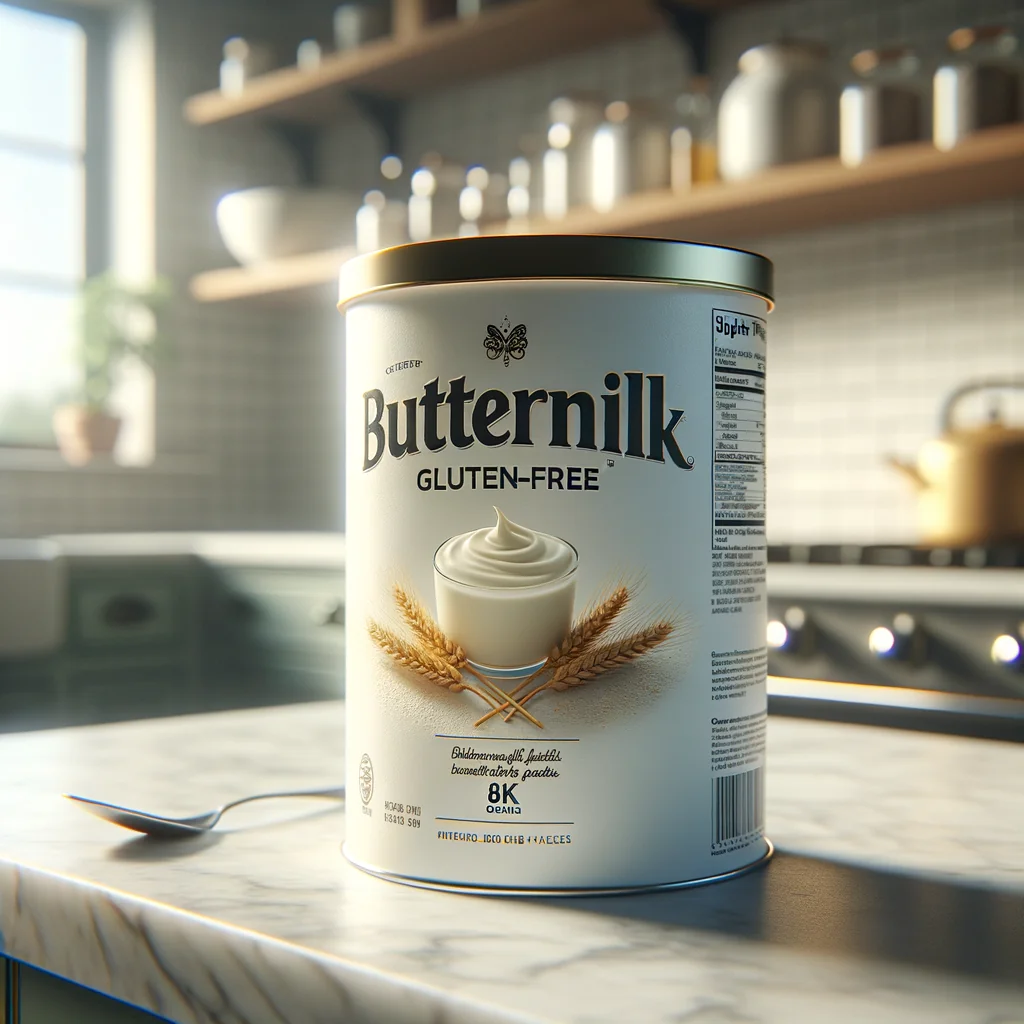
Buttermilk itself does not contain gluten as it is made from milk. The primary concern arises from cross-contamination during manufacturing. Facilities that process grains may inadvertently introduce gluten into buttermilk. Therefore, it is essential for celiac patients to seek buttermilk labeled as 'gluten-free' to ensure safety.
How is Buttermilk produced?
The production of buttermilk involves fermenting the liquid left after churning butter from cream, using lactic acid bacteria. This process results in a tangy and slightly thickened dairy product. The fermentation process does not involve any gluten-containing ingredients, making buttermilk naturally gluten-free. However, vigilance is required to avoid cross-contamination during production.
Are there any additives in Buttermilk that contain gluten?
Typically, buttermilk does not contain additives that have gluten. However, flavored or processed versions may contain gluten-derived additives or be at risk of cross-contamination. Always check labels for any additives or flavorings that might introduce gluten.
Can Buttermilk be consumed by people with Celiac Disease?
Yes, buttermilk can be consumed by people with celiac disease if it is certified gluten-free. This certification ensures that the product has been tested and verified to contain less than 20 ppm of gluten, which is considered safe for celiac patients. Checking the packaging for gluten-free labeling is crucial.
What should consumers look for when buying Buttermilk?
Consumers should look for buttermilk labeled as 'gluten-free' to ensure it is safe for those with gluten intolerance. It's also important to verify the manufacturing facility's practices regarding cross-contamination. Additionally, checking for any unusual additives or flavorings is advisable.
Frequently Asked Questions
Is buttermilk safe for celiac patients?
Can buttermilk be contaminated with gluten?
Does buttermilk contain any gluten additives?
How can I ensure buttermilk is gluten-free?
Why is cross-contamination a concern for buttermilk?
Disclaimer: This report is informational and not medical advice.