Molecular Breakdown
Detailed analysis of ingredients sorted by quantity. Color codes indicate health risk based on WHO guidelines.
Nutritional Profile (100ml)
Clinical Assessment
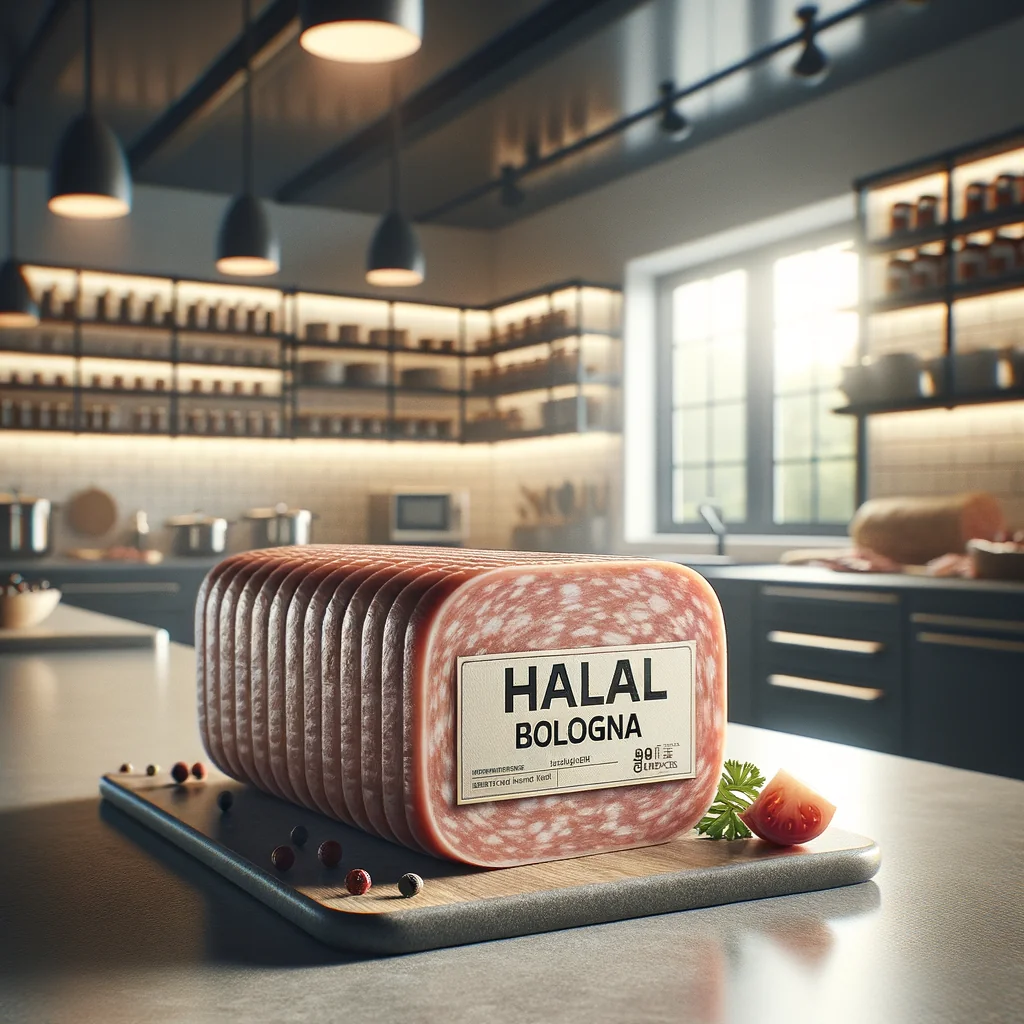
Bologna sausage is a popular processed meat product known for its savory flavor and smooth texture. It is typically made from a blend of beef, pork, or chicken, and is often seasoned with a variety of spices. The manufacturing process involves finely grinding the meat and mixing it with curing agents, such as salt and sodium nitrite, to preserve its color and flavor. Additives like E250 (sodium nitrite) and E450 (diphosphates) are common, but the inclusion of E120 (carmine) and gelatin can raise concerns for those following a Halal diet. Carmine is derived from insects, and gelatin is often made from pig-derived sources, making them problematic for Halal compliance.
Does Bologna contain Gelatin?
Gelatin is a common ingredient in many processed foods and is often used as a gelling agent. In Bologna, gelatin might be used to improve texture and consistency. However, the source of gelatin is crucial for determining its Halal status. Gelatin derived from pigs is not Halal, while gelatin from cattle or fish that have been slaughtered according to Islamic law is acceptable. Unfortunately, many commercial Bologna products do not specify the source of their gelatin, making it difficult to ascertain its compliance with Halal standards without further investigation or certification.
Is E120 in Bologna permissible?
E120, also known as carmine, is a red dye derived from cochineal insects. It is often used in processed meats like Bologna to enhance color. While E120 is not derived from pigs, its insect origin poses a concern for some Halal certifying bodies. The permissibility of E120 can vary among Islamic scholars, with some considering it permissible and others advising against its consumption. Consumers concerned about Halal compliance should seek products with clear Halal certification or opt for alternatives that do not contain E120.
Can Bologna be made Halal?
Yes, Bologna can be made Halal by ensuring all ingredients comply with Islamic dietary laws. This involves using Halal-certified meats, avoiding non-Halal additives like porcine gelatin and E120, and ensuring no cross-contamination with non-Halal substances during manufacturing. Some brands offer Halal-certified Bologna, which is produced under strict guidelines to meet the needs of Muslim consumers. Checking for reputable Halal certification logos on packaging can help identify compliant products.
What are the alternatives to E120 in Bologna?
For those seeking Halal alternatives to E120, there are several options available. Natural colorants like beet juice, paprika extract, or annatto can provide similar coloring effects without the concerns associated with carmine. These alternatives are plant-based and generally considered Halal, making them suitable for inclusion in Bologna intended for Muslim consumers. Manufacturers looking to cater to Halal markets might consider these options to ensure broader acceptance and compliance.
Is there a risk of cross-contamination in Bologna production?
Cross-contamination is a significant concern in the production of Bologna, especially when facilities process both Halal and non-Halal products. Shared equipment and surfaces can lead to contamination with non-Halal substances, such as pork derivatives or alcohol-based cleaning agents. To mitigate this risk, manufacturers should implement strict cleaning protocols and dedicated production lines for Halal products. Consumers should look for Halal certifications that verify adherence to these practices to ensure the product's compliance with dietary laws.
Frequently Asked Questions
Does Bologna contain pig fat according to Diyanet?
Is the E-number in Bologna vegetarian?
How does Bologna's E250 affect its Halal status?
Are there Halal-certified Bologna brands?
What is the role of E450 in Bologna?
Disclaimer: This report is informational and not medical advice.