Molecular Breakdown
Detailed analysis of ingredients sorted by quantity. Color codes indicate health risk based on WHO guidelines.
Nutritional Profile (100ml)
Clinical Assessment
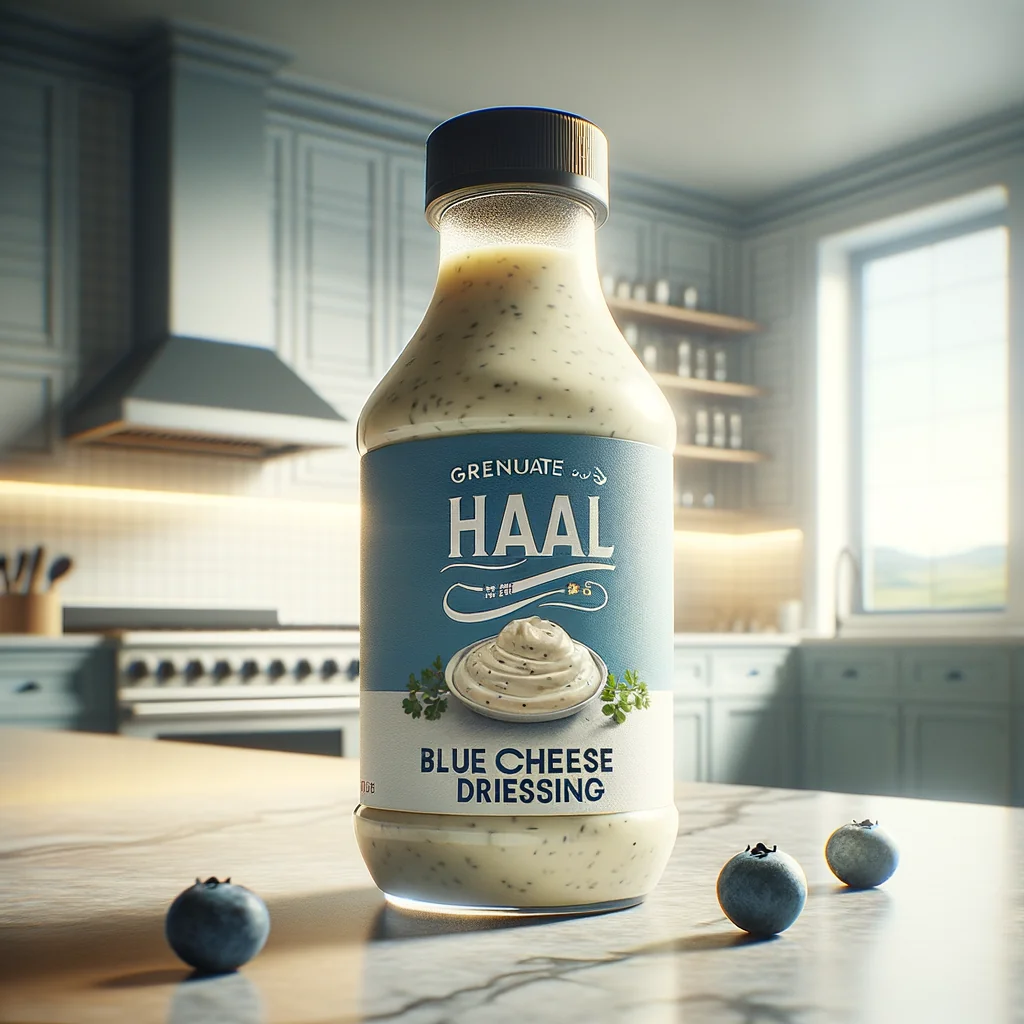
Blue Cheese Dressing is a popular condiment, but its halal status can be questionable due to certain ingredients. The dressing typically contains blue cheese, mayonnaise, and various additives. The manufacturing process may involve the use of animal-derived enzymes in cheese production, raising concerns about halal compliance. Additionally, the presence of preservatives like E270 (lactic acid) and E202 (potassium sorbate) requires scrutiny to ensure they are not derived from non-halal sources.
Does Blue Cheese Dressing contain Gelatin?
Gelatin, a common thickening agent, is not typically found in Blue Cheese Dressing. However, its halal status is crucial since gelatin can be derived from pork. Most commercially available blue cheese dressings do not list gelatin as an ingredient, but always check the label for assurance.
Is there Alcohol in Blue Cheese Dressing?
Some dressings may use alcohol-based flavorings or preservatives, which can impact their halal status. It's essential to verify the ingredient list for any mention of ethanol or alcohol derivatives. Manufacturers may use these to stabilize or enhance flavors, so exercising caution is advised.
Are E-Number Additives in Blue Cheese Dressing Halal?
Additives like E270 (lactic acid) and E202 (potassium sorbate) are generally considered halal, but their sources must be verified. E270 can be derived from whey, a byproduct of cheese-making, while E202 is a synthetic preservative. Both are typically halal, providing they are not contaminated with non-halal substances during production.
Can Blue Cheese Dressing be Vegetarian?
While Blue Cheese Dressing doesn't contain meat, the presence of animal-derived rennet in blue cheese can make it unsuitable for vegetarians. Rennet is an enzyme used in cheese production, often sourced from the stomach lining of calves. Vegetarian options may use microbial or plant-based rennet instead.
What is the Role of E330 in Blue Cheese Dressing?
E330, or citric acid, is commonly used in Blue Cheese Dressing to enhance flavor and preserve freshness. It is typically derived from citrus fruits or produced via fermentation. Citric acid is generally considered halal, as it's not derived from animal sources, aligning with both halal and vegetarian dietary guidelines.
Frequently Asked Questions
Is Blue Cheese Dressing halal certified?
Does Blue Cheese Dressing contain pork derivatives?
Can Muslims eat Blue Cheese Dressing?
Is Blue Cheese Dressing vegetarian friendly?
What E-numbers should Muslims watch out for in Blue Cheese Dressing?
Disclaimer: This report is informational and not medical advice.