
Molecular Breakdown
Detailed analysis of ingredients sorted by quantity. Color codes indicate health risk based on WHO guidelines.
Nutritional Profile (100ml)
Clinical Assessment
Gochujang is a traditional Korean fermented chili paste known for its unique balance of sweetness, spiciness, and umami flavor. It is made using red chili powder, glutinous rice, fermented soybeans, and salt. The fermentation process gives Gochujang its distinctive taste, but it also raises questions about gluten content due to the inclusion of wheat in some recipes and potential cross-contamination during production.
Does Gochujang contain wheat?
Many traditional recipes for Gochujang include wheat as a key ingredient. Wheat flour is often used to help bind the paste and contribute to its texture. This means that most commercially available Gochujang products contain gluten, making them unsuitable for those with celiac disease or gluten intolerance. It is crucial to check the ingredient list for wheat or wheat-derived products.
Can Gochujang be cross-contaminated with gluten?
Even if a Gochujang product does not explicitly list wheat as an ingredient, there is still a risk of cross-contamination. This can occur during manufacturing if the product is made in facilities that also process gluten-containing foods. For individuals with severe gluten sensitivities, it is essential to look for products labeled as 'gluten-free' to ensure safety.
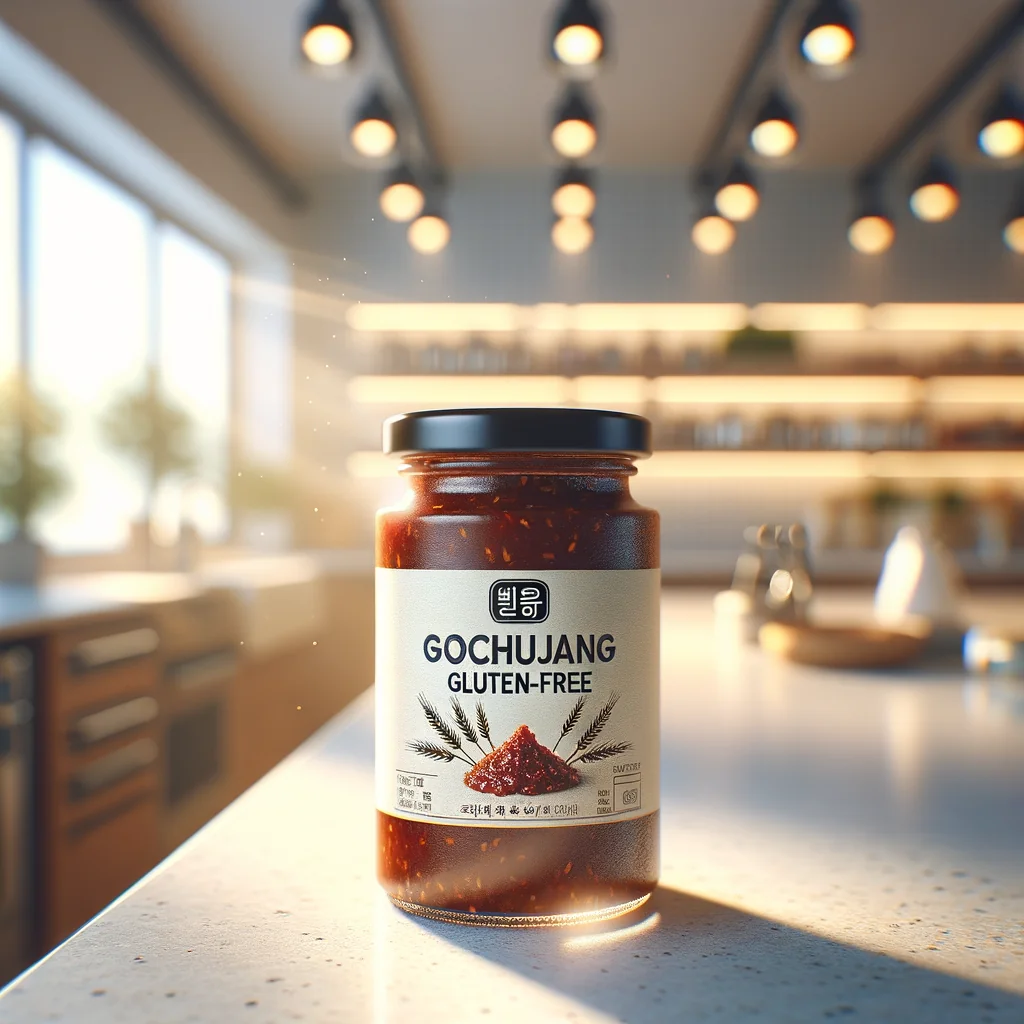
Is there a gluten-free version of Gochujang?
Some manufacturers produce gluten-free versions of Gochujang by substituting wheat with gluten-free alternatives such as rice flour or tapioca starch. These products are often labeled as 'gluten-free' and are safe for individuals with celiac disease or gluten sensitivity. It is important to verify the label and check for any certification that confirms the gluten-free status.
How does gluten affect the fermentation process in Gochujang?
The fermentation process in Gochujang involves breaking down carbohydrates and proteins to develop its flavor profile. While gluten itself is not a fermentable carbohydrate, the presence of wheat can impact the fermentation process by providing additional starches and proteins that contribute to the texture and consistency of the final product. This is why wheat is often used in traditional recipes.
What should celiac patients consider when consuming Gochujang?
Celiac patients need to be cautious when consuming Gochujang due to the potential for gluten content and cross-contamination. It is advisable to choose products that are explicitly labeled as 'gluten-free' and to consult with manufacturers if there is any uncertainty about the ingredients or production processes. Additionally, checking for certifications from gluten-free organizations can provide added assurance.
Frequently Asked Questions
Is Gochujang safe for celiac patients?
What alternatives to wheat are used in gluten-free Gochujang?
How does cross-contamination occur in Gochujang production?
Why is wheat used in traditional Gochujang recipes?
Can gluten-free Gochujang taste the same as regular Gochujang?
Disclaimer: This report is informational and not medical advice.