Molecular Breakdown
Detailed analysis of ingredients sorted by quantity. Color codes indicate health risk based on WHO guidelines.
Nutritional Profile (100ml)
Clinical Assessment
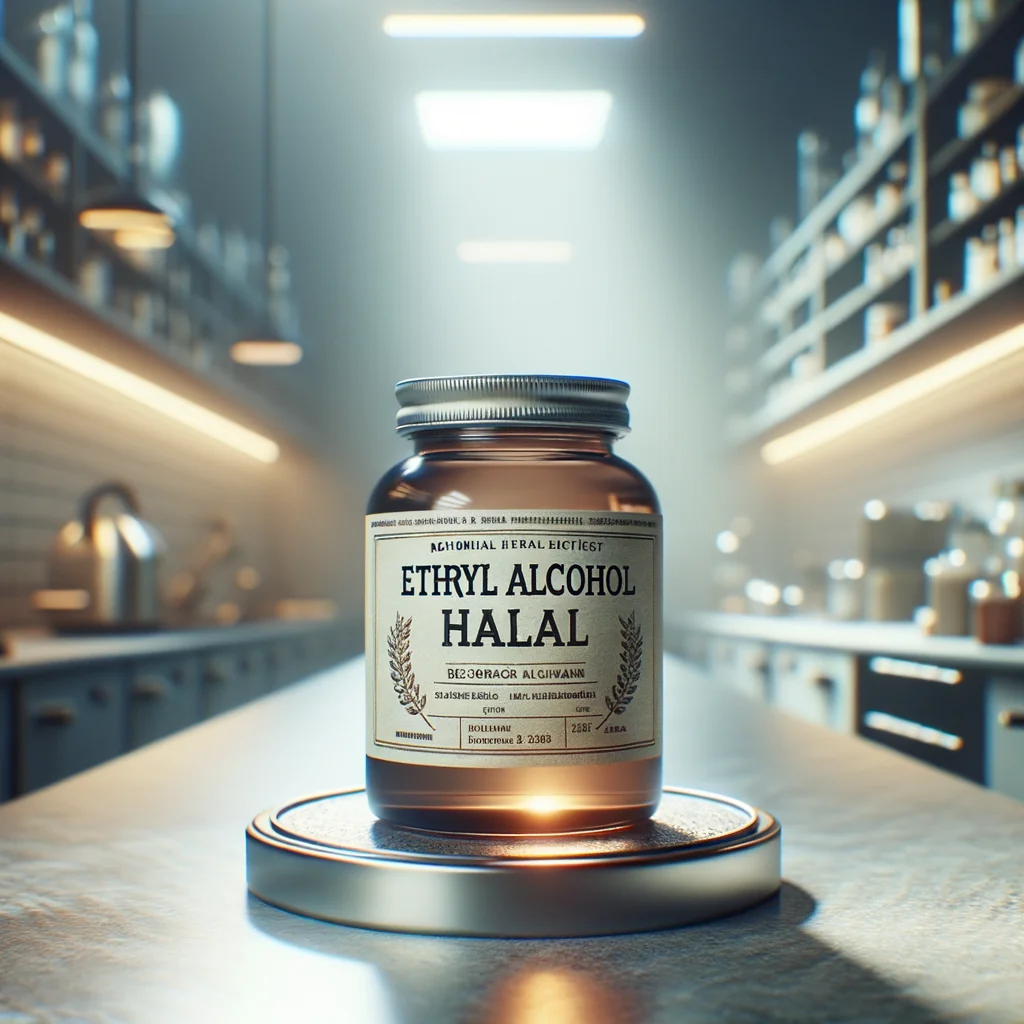
Ethyl Alcohol, commonly known as ethanol, is a volatile, flammable, and colorless liquid. It is primarily produced through the fermentation of sugars by yeasts or via petrochemical processes. The source of ethanol is crucial in determining its Halal status. If derived from non-halal sources, it may not be permissible for Muslims to consume or use in certain products. Ethanol is often used as a solvent in the food industry, which raises concerns about its Halal status, especially when derived from grains or fruits that are not Halal-certified.
Does Ethyl Alcohol contain Gelatin?
Ethyl Alcohol itself does not contain gelatin. However, it is important to check the source of ethanol. If it is derived from non-Halal sources such as certain grains or fruits, the overall product might not be considered Halal.
What is the impact of Ethanol on Halal Certification?
The presence of ethanol in a product can affect its Halal certification. The determining factor is the source of the ethanol. If it is derived from Halal sources and used in permissible quantities, it might be acceptable. However, if it is sourced from non-Halal materials, it could invalidate the Halal certification.
Is Ethyl Alcohol in Perfumes Halal?
In perfumes, ethyl alcohol is often used as a solvent. The Halal status of perfumes containing ethyl alcohol depends on the source of the alcohol. If it is synthetically produced or derived from Halal sources, it may be permissible. However, if it is derived from non-Halal materials, it may not be considered Halal.
Can Ethyl Alcohol be used in Halal Food Production?
Ethyl Alcohol can be used in Halal food production if it is derived from Halal sources and used in permissible quantities. The key is ensuring that the ethanol is not from non-Halal sources, such as certain grains or fruits, which could render the food non-Halal.
Is Ethanol in Pharmaceuticals Halal?
Ethanol used in pharmaceuticals can be Halal if it is derived from Halal sources. Often, the ethanol in pharmaceuticals is synthetically produced, which may be permissible under Islamic law. However, it is crucial to verify the source and production process to ensure compliance with Halal standards.
Frequently Asked Questions
Is Ethyl Alcohol in cosmetics Halal?
How does Ethanol affect Halal status?
Can Muslims consume Ethyl Alcohol?
Is Ethanol used in medicines Halal?
Does Ethyl Alcohol have any animal-derived components?
Disclaimer: This report is informational and not medical advice.