Molecular Breakdown
Detailed analysis of ingredients sorted by quantity. Color codes indicate health risk based on WHO guidelines.
Nutritional Profile (100ml)
Clinical Assessment
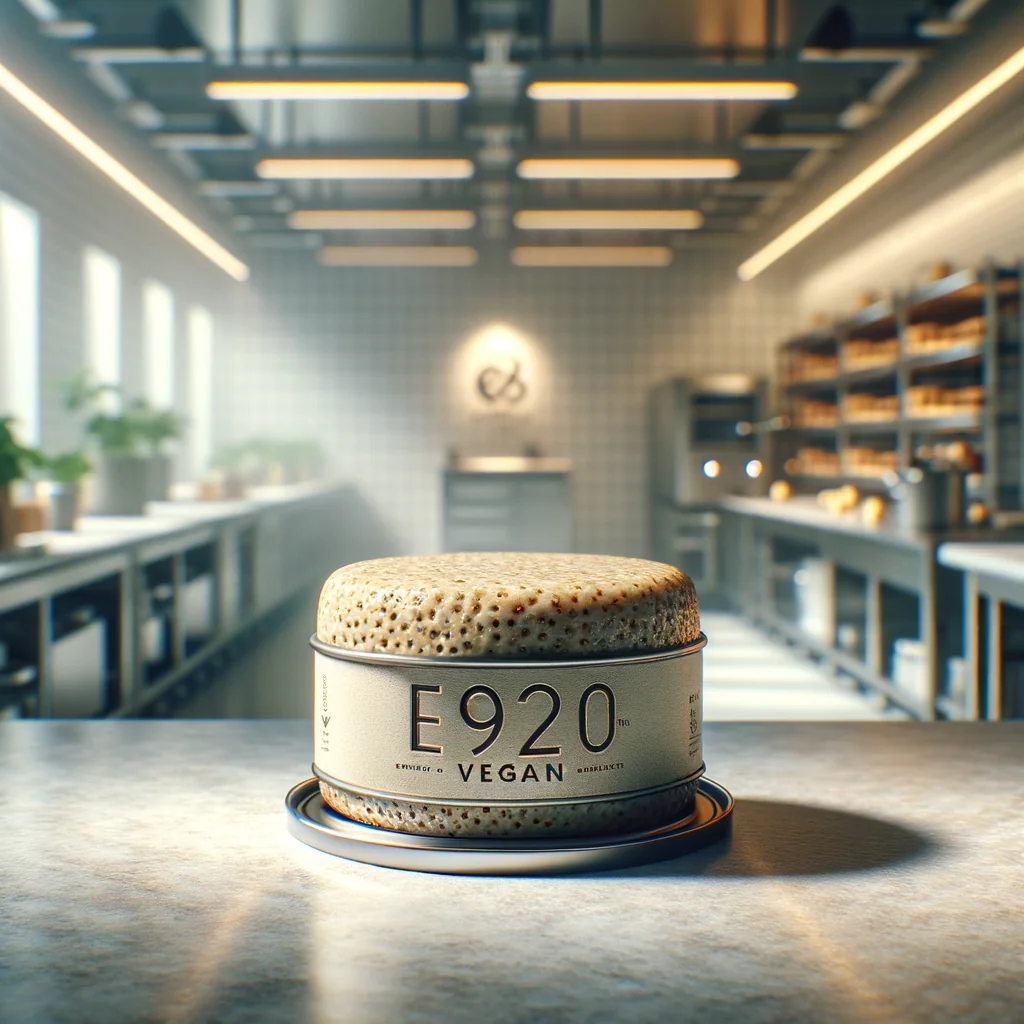
The additive E920, commonly known as L-Cysteine, is often used in bread-making to improve dough elasticity. A critical aspect of E920 is its source, which can be derived from human hair, pig bristles, or poultry feathers. This raises concerns for vegans and those with religious dietary restrictions, as animal-derived sources make it non-vegan and potentially non-halal.
Does E920 contain Gelatin?
E920 itself does not contain gelatin. However, its vegan status depends on the source of L-Cysteine used. If derived from animal sources, it is not suitable for vegans.
Is E920 Halal?
The halal status of E920 is controversial. If the L-Cysteine is derived from non-halal animals, it may not be permissible for Muslim consumption. Verification from halal certification bodies is recommended.
Can E920 be plant-based?
Yes, L-Cysteine can be synthesized from plant sources, making it vegan-friendly. However, this is less common due to higher production costs. Always check product labels or contact manufacturers for clarification.
Is E920 safe for gluten-free diets?
Yes, E920 does not contain gluten and is safe for those with gluten sensitivities or celiac disease. It is an amino acid and does not interfere with gluten-free dietary restrictions.
How can I identify vegan E920?
Look for products labeled as vegan or check for certifications that assure plant-based L-Cysteine. Contacting manufacturers directly can also provide clarity on the source of E920 used in their products.
Frequently Asked Questions
What is E920 made from?
Is E920 vegan-friendly?
Can E920 be halal-certified?
Does E920 contain gluten?
How to ensure E920 is vegan in products?
Disclaimer: This report is informational and not medical advice.