Molecular Breakdown
Detailed analysis of ingredients sorted by quantity. Color codes indicate health risk based on WHO guidelines.
Nutritional Profile (100ml)
Clinical Assessment
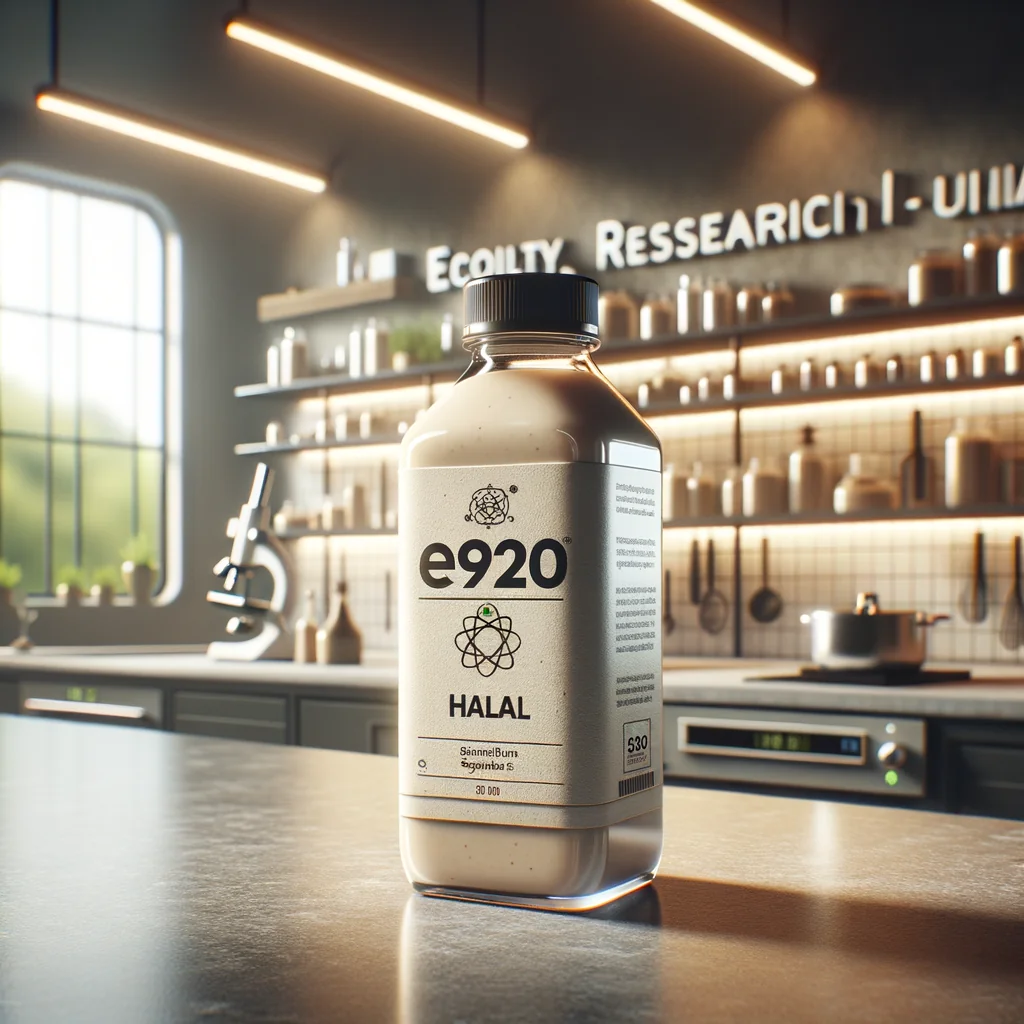
Deep Dive Intro: E920, also known as L-Cysteine, is an amino acid often used in the food industry to improve dough elasticity. One of the main concerns is its source: historically, L-Cysteine was derived from human hair or poultry feathers. However, some manufacturers may use porcine sources, raising halal concerns.
Does E920 (L-Cysteine) contain Gelatin?
L-Cysteine itself does not contain gelatin. However, the source of L-Cysteine can impact its halal status. If derived from animal hair or feathers, it may be considered halal. If from porcine sources, it is not.
Is L-Cysteine derived from human hair halal?
Traditionally, L-Cysteine derived from human hair is not considered halal due to ethical and sanitary reasons. The use of synthetic or plant-based sources is preferred for halal compliance.
Can L-Cysteine be vegan?
Yes, L-Cysteine can be vegan if it is synthetically produced or derived from plant sources. This form is considered halal and suitable for vegetarians and vegans.
What does Diyanet say about E920?
The Diyanet may consider E920 halal if it is derived from synthetic or non-porcine animal sources. Verification from a halal certification body is recommended to ensure compliance.
Are there synthetic alternatives to L-Cysteine?
Yes, there are synthetic alternatives to L-Cysteine that are considered halal and vegan-friendly. These alternatives are produced through microbial fermentation or chemical synthesis.
Frequently Asked Questions
Does E920 (L-Cysteine) contain pig fat according to Diyanet?
Is L-Cysteine vegan?
How is L-Cysteine manufactured?
Is L-Cysteine safe for gluten-free diets?
Can Muslims consume E920?
Disclaimer: This report is informational and not medical advice.