Molecular Breakdown
Detailed analysis of ingredients sorted by quantity. Color codes indicate health risk based on WHO guidelines.
Nutritional Profile (100ml)
Clinical Assessment
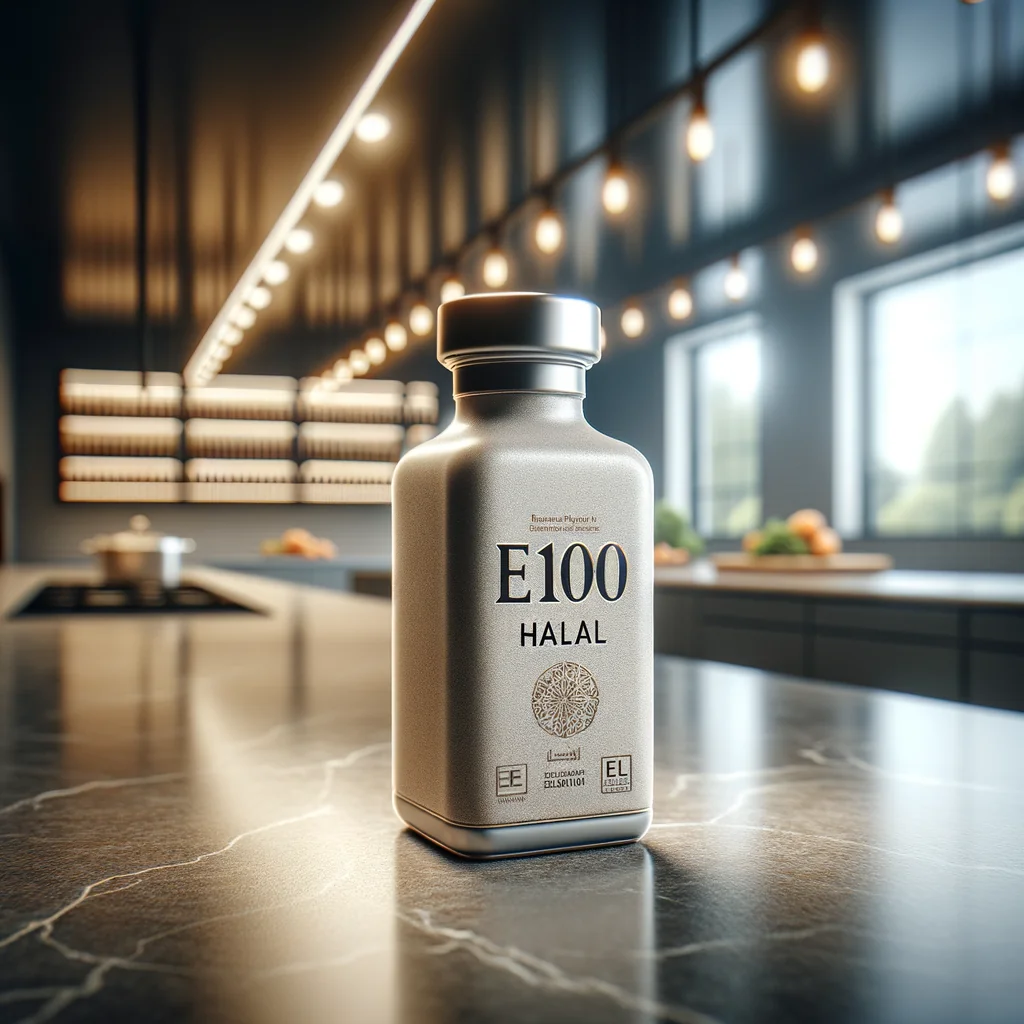
Curcumin, known as E100, is a natural yellow dye derived from turmeric. The extraction process typically involves the use of solvents. While these solvents can include alcohol, the final product is generally free from it due to evaporation during manufacturing. Therefore, curcumin is usually considered Halal.
Does E100 (Curcumin) contain Gelatin?
Curcumin itself does not contain gelatin. It is derived from turmeric, a plant-based source, and is typically considered suitable for vegans and vegetarians. However, the final product, such as capsules or tablets, may contain gelatin as a binding agent. It is crucial to check the specific product's ingredient list.
Is E100 (Curcumin) alcohol-free?
During the extraction of curcumin from turmeric, solvents, including alcohol, can be used. However, these solvents are typically evaporated, leaving the final curcumin product alcohol-free. This process ensures that curcumin remains Halal and acceptable for consumption by those avoiding alcohol.
Can E100 (Curcumin) be of animal origin?
E100 is derived from turmeric, a plant, making it naturally free from animal products. It is not derived from any animal source, making it suitable for vegetarians and vegans. However, always verify the final product for non-vegan additives.
Is E100 (Curcumin) certified Halal?
Many manufacturers of curcumin obtain Halal certification to assure consumers. This certification confirms that the production process adheres to Islamic dietary laws. Checking for a Halal certification on the packaging is recommended for assurance.
Are there any health concerns with E100 (Curcumin)?
Curcumin is generally considered safe and is even recognized for its potential health benefits, such as anti-inflammatory properties. However, excessive consumption might lead to digestive issues. Moderation is key, and consulting health professionals for dietary advice is advisable.
Frequently Asked Questions
Does E100 (Curcumin) contain pig fat according to Diyanet?
Is the E-number in E100 (Curcumin) vegetarian?
Is E100 (Curcumin) used in Halal-certified products?
Can E100 (Curcumin) be consumed during Ramadan?
What are the common uses of E100 (Curcumin) in food?
Disclaimer: This report is informational and not medical advice.