
Molecular Breakdown
Detailed analysis of ingredients sorted by quantity. Color codes indicate health risk based on WHO guidelines.
Nutritional Profile (100ml)
Clinical Assessment
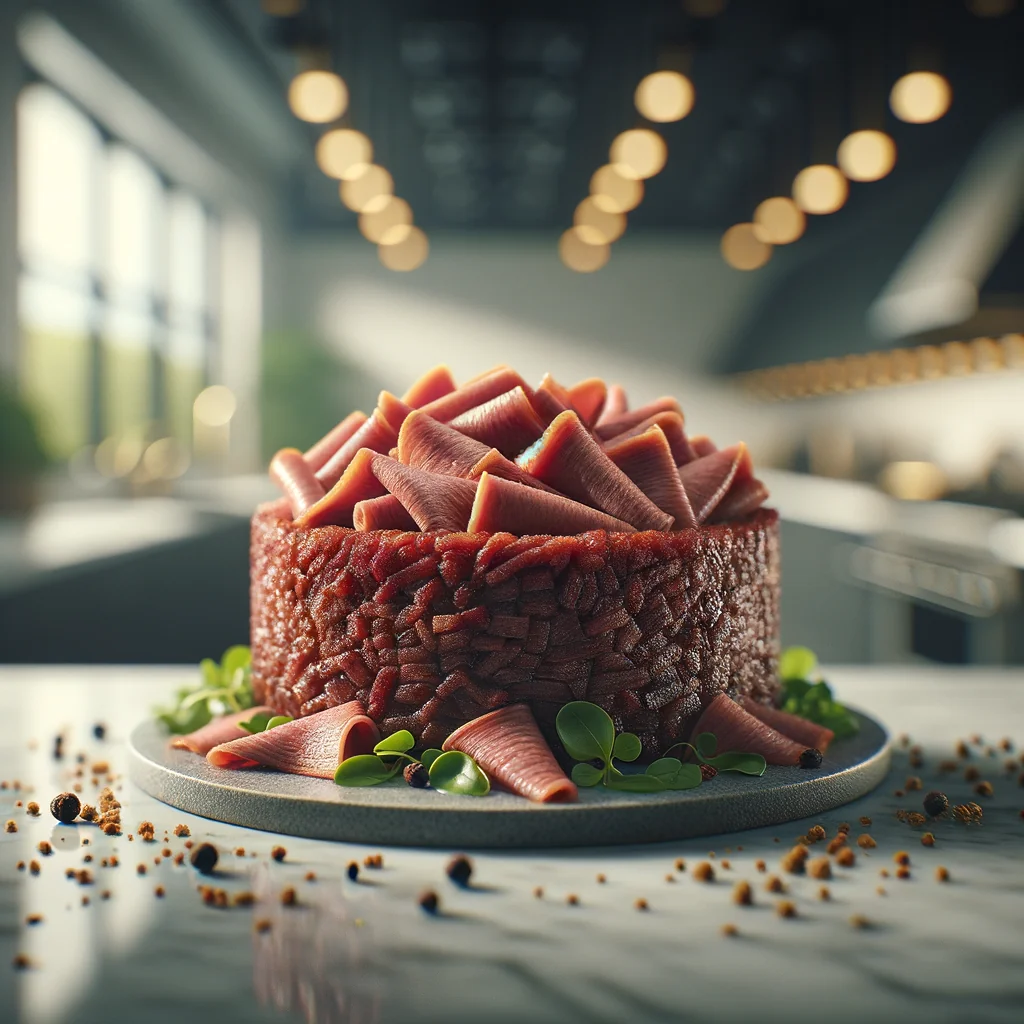
Corned beef is a popular meat product known for its distinctive taste and texture, achieved through a curing process that typically involves salt, spices, and preservatives. While the primary ingredient is beef, the halal status depends on additional components like gelatin and preservatives such as sodium nitrite (E250). These additives can raise concerns within the halal dietary laws, particularly if the gelatin is derived from non-halal sources or if the preservatives involve alcohol-based carriers.
Does Corned Beef contain Gelatin?
Gelatin is often used in processed meats to improve texture and bind ingredients. In corned beef, it may be present, depending on the manufacturer. If derived from pork or non-halal slaughtered animals, it renders the product non-halal. Consumers should check labels for halal certification or contact manufacturers for verification.
Is E250 in Corned Beef Halal?
Sodium nitrite (E250) is a common preservative in corned beef, used to maintain color and prevent bacterial growth. Its halal status depends on the production process. If derived or processed with alcohol, it may not be halal. A thorough examination of the source is necessary for a definitive halal verdict.
Are there alcohol-based additives in Corned Beef?
Some preservatives or flavor enhancers used in processed meats might be alcohol-based, which would be problematic for halal compliance. While not always listed explicitly on the label, understanding these components' origins is crucial for those adhering to halal dietary laws.
Is Corned Beef Halal Certified?
The presence of a halal certification label can assure consumers of the product's compliance with Islamic dietary laws. However, not all corned beef products carry such certification. Consumers should look for reputable halal certification marks or consult the manufacturer's website for confirmation.
What are the alternatives to Corned Beef for Halal consumers?
Halal consumers can opt for beef products explicitly labeled as halal, ensuring they meet all dietary requirements. These products are processed under strict halal guidelines, eliminating concerns about non-halal additives or processing methods.
Frequently Asked Questions
Does Corned Beef contain pig fat according to Diyanet?
Is the E-number in Corned Beef vegetarian?
Can Corned Beef contain alcohol-based preservatives?
How can I verify if Corned Beef is halal?
What makes a meat product halal?
Disclaimer: This report is informational and not medical advice.