Molecular Breakdown
Detailed analysis of ingredients sorted by quantity. Color codes indicate health risk based on WHO guidelines.
Nutritional Profile (100ml)
Clinical Assessment
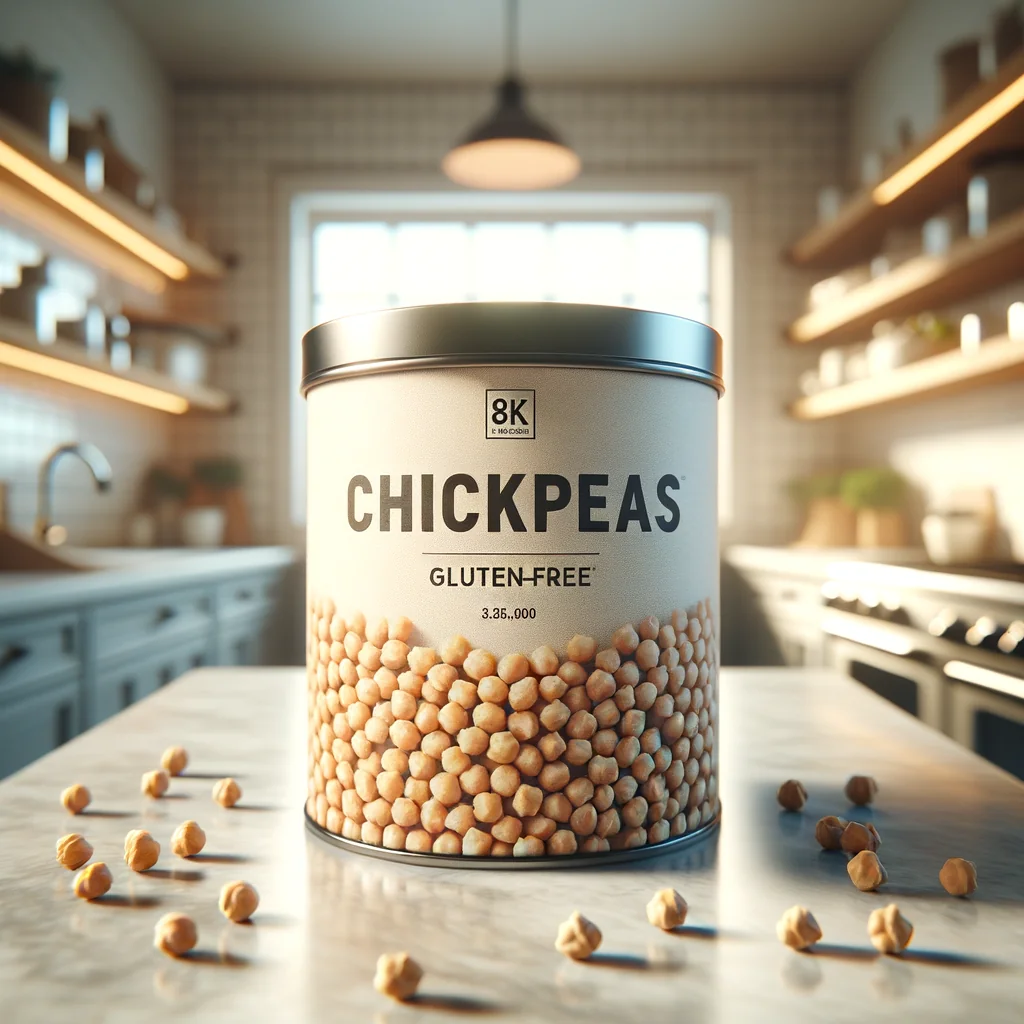
Chickpeas, known for their nutty taste and high nutritional value, are a staple in many diets. They are naturally gluten-free, making them suitable for individuals with celiac disease or gluten intolerance. However, cross-contamination during processing is a potential risk, especially if chickpeas are processed in facilities that handle gluten-containing grains like wheat, barley, or rye. Ensuring a gluten-free certification can mitigate this risk.
Can Chickpeas Contain Gluten Through Cross-Contamination?
While chickpeas themselves do not contain gluten, cross-contamination can occur if they are processed in facilities that also handle gluten-containing grains. This can happen during harvesting, packaging, or transportation. To avoid this, look for chickpeas labeled as 'gluten-free' which ensures that they have been processed in a facility that adheres to strict gluten-free guidelines.
What Are the Health Benefits of Chickpeas?
Chickpeas are an excellent source of protein, fiber, and essential vitamins and minerals. They can support digestive health, aid in weight management, and provide a plant-based protein source for vegans and vegetarians. Their low glycemic index makes them a good option for maintaining stable blood sugar levels.
How Can You Ensure Chickpeas Are Gluten-Free?
To ensure that chickpeas are free from gluten contamination, purchase those that have been certified gluten-free. This certification indicates that the product has been tested and meets the criteria for gluten-free labeling. Additionally, buying whole chickpeas and cooking them yourself can reduce the risk of contamination compared to pre-packaged or canned varieties.
Are Canned Chickpeas Safe for a Gluten-Free Diet?
Canned chickpeas can be safe for a gluten-free diet if they are labeled as gluten-free. However, it is important to check the label for any warnings about potential cross-contamination. Some brands may process their chickpeas in facilities that also handle gluten-containing products.
What Should You Look for on Labels When Buying Chickpeas?
When buying chickpeas, look for products that are labeled as gluten-free. This ensures that they have been processed in a facility that prevents cross-contamination with gluten. Additionally, check for any certifications or seals that verify the product's gluten-free status.
Frequently Asked Questions
Can chickpeas be contaminated with gluten?
Are chickpeas safe for people with celiac disease?
How to avoid gluten contamination in chickpeas?
Do all chickpeas need a gluten-free certification?
Can I trust gluten-free labels on chickpeas?
Disclaimer: This report is informational and not medical advice.