Molecular Breakdown
Detailed analysis of ingredients sorted by quantity. Color codes indicate health risk based on WHO guidelines.
Nutritional Profile (100ml)
Clinical Assessment
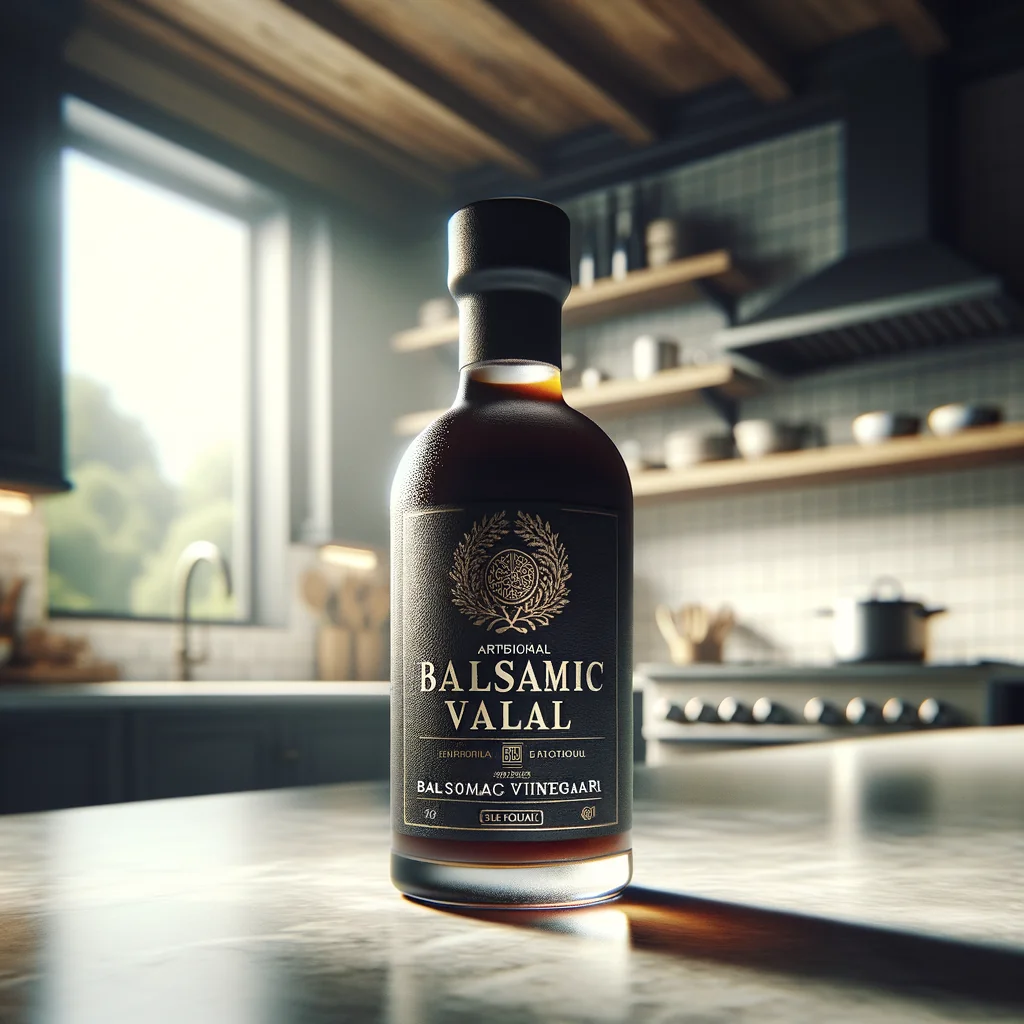
Balsamic vinegar is a popular condiment known for its rich flavor and dark color. It's traditionally made by fermenting grape must, which is a freshly crushed juice that includes all the skins, seeds, and stems of the fruit. The fermentation process can sometimes involve ethanol, which raises questions about its halal status. Additionally, the presence of additives like E150d (caramel color) might concern those who follow halal dietary laws, as it can be derived from different sources.
Does Balsamic Vinegar contain Gelatin?
Typically, balsamic vinegar does not contain gelatin. Gelatin is a gelling agent derived from animal collagen, which would not be used in vinegar production. However, it's always recommended to check the product label or consult the manufacturer for specific brands, as production methods can vary.
Is Ethanol present in Balsamic Vinegar?
The production of balsamic vinegar involves fermentation, a process that can produce ethanol. However, the amount is usually minimal and considered negligible for dietary laws. For those concerned about alcohol content, choosing a balsamic vinegar with a halal certification can provide assurance.
What is E150d in Balsamic Vinegar?
E150d, or caramel color, is often used in balsamic vinegar for coloring. It's made by heating sugar, and the halal status depends on the processing method, particularly if acids or alkalis are used. Checking for halal certification ensures that the caramel coloring meets dietary requirements.
Are sulfites in Balsamic Vinegar halal?
Sulfites are preservatives that prevent spoilage in foods like balsamic vinegar. They are generally considered halal, but some individuals may have sensitivities. It's important to verify ingredient lists for those with allergies or sensitivities.
Is Balsamic Vinegar vegan?
Balsamic vinegar is typically vegan, as it's made from grapes without animal products. However, some variations might use animal-derived clarifying agents, so checking labels or certifications can confirm its vegan status.
Frequently Asked Questions
Is Balsamic Vinegar approved by halal certifiers?
Does Balsamic Vinegar contain pig fat according to Diyanet?
Is the E-number in Balsamic Vinegar vegetarian?
Can Muslims consume vinegar?
How can I ensure Balsamic Vinegar is halal?
Disclaimer: This report is informational and not medical advice.