Molecular Breakdown
Detailed analysis of ingredients sorted by quantity. Color codes indicate health risk based on WHO guidelines.
Nutritional Profile (100ml)
Clinical Assessment
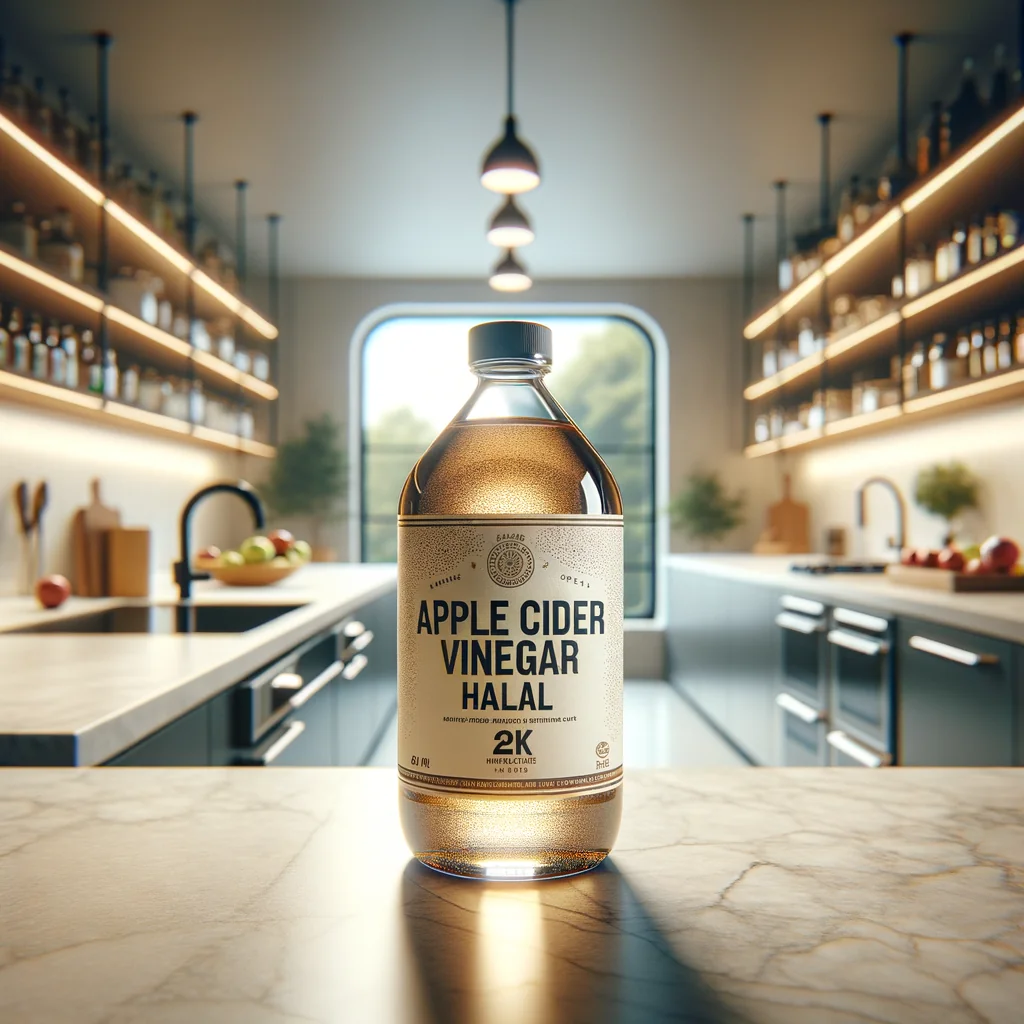
Apple cider vinegar is produced through a fermentation process involving apple juice and yeast, which converts sugars into alcohol (ethanol). This alcohol is then transformed into acetic acid by acetic acid bacteria, resulting in vinegar. The key concern for Halal compliance is the presence of any residual ethanol or other non-Halal ingredients.
Does Apple Cider Vinegar contain Gelatin?
Apple cider vinegar is typically made from fermented apple juice and does not require gelatin in its production. As such, it is generally free from any animal-derived gelatin, making it suitable for both vegetarians and those observing Halal dietary laws.
Is there Ethanol in Apple Cider Vinegar?
During the fermentation process of apple cider vinegar, ethanol is produced but is subsequently converted into acetic acid. The final product contains negligible amounts of ethanol, typically below 0.5%, which is considered permissible in many Halal dietary standards. However, it is always best to consult specific religious guidelines.
Are there any animal-derived ingredients in Apple Cider Vinegar?
Standard apple cider vinegar production does not involve any animal-derived ingredients. It is primarily composed of fermented apple juice, water, and acetic acid. This makes it suitable for both vegans and those adhering to Halal dietary restrictions.
Is Apple Cider Vinegar certified Halal?
While apple cider vinegar itself is generally considered Halal, certification depends on the production process and whether the facility has obtained Halal certification. Consumers seeking assurance should look for products with a Halal certification label.
Can Apple Cider Vinegar be used in Halal cooking?
Yes, apple cider vinegar can be used in Halal cooking. Its acidic nature adds flavor to dishes without compromising on dietary restrictions. As long as the vinegar is free from non-Halal additives, it is a versatile ingredient in Halal cuisine.
Frequently Asked Questions
Does Apple Cider Vinegar contain pig fat according to Diyanet?
Is the ethanol in Apple Cider Vinegar Halal?
Can Apple Cider Vinegar be used for Halal pickling?
Is Apple Cider Vinegar suitable for a vegan diet?
Is there any risk of cross-contamination in Apple Cider Vinegar production?
Disclaimer: This report is informational and not medical advice.