
Molecular Breakdown
Detailed analysis of ingredients sorted by quantity. Color codes indicate health risk based on WHO guidelines.
Nutritional Profile (100ml)
Clinical Assessment
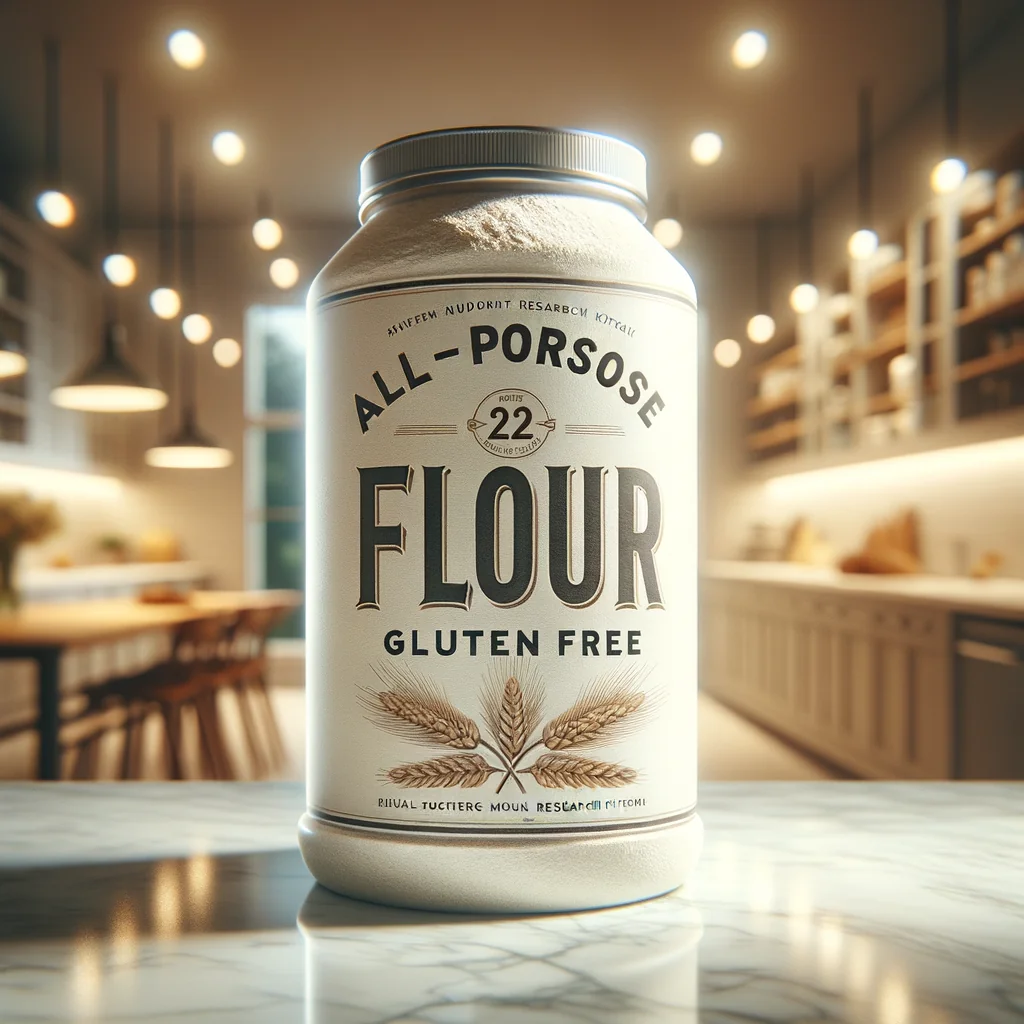
All-purpose flour is a staple in many kitchens, known for its versatility in various recipes. However, those with gluten sensitivities or celiac disease must approach it with caution. The primary ingredient, wheat, inherently contains gluten, a protein that provides elasticity and chewiness in baked goods. The flour is produced by milling wheat grains, which are then refined and bleached to produce a fine, consistent texture. Due to the presence of gluten, all-purpose flour is not suitable for those requiring a gluten-free diet. Additionally, cross-contamination with other grains like barley and rye during processing can occur, further increasing gluten content risks.
Does All-Purpose Flour contain Gelatin?
All-purpose flour does not contain gelatin as an ingredient. Gelatin is a protein derived from animal collagen, whereas flour is derived from wheat. However, it is crucial to check for cross-contamination during processing, especially in shared facilities where animal-derived products might be handled.
Is there a Gluten-Free version of All-Purpose Flour?
Yes, gluten-free all-purpose flour alternatives are available. These are typically made from a blend of gluten-free grains and starches such as rice flour, potato starch, and tapioca flour. These alternatives are formulated to mimic the properties of regular all-purpose flour, allowing for similar baking results without gluten.
Can All-Purpose Flour cause allergic reactions?
Yes, for individuals with gluten intolerance or celiac disease, all-purpose flour can trigger allergic reactions. Symptoms may include digestive issues, skin rashes, and headaches. It's important for such individuals to avoid all-purpose flour and opt for certified gluten-free alternatives.
Is All-Purpose Flour suitable for a vegan diet?
All-purpose flour is inherently vegan as it is made from wheat, a plant-based ingredient. However, vegans should ensure that no animal-derived processing aids are used in its production.
What is the Nutritional Content of All-Purpose Flour?
All-purpose flour contains approximately 364 calories per 100 grams, with 10.3 grams of protein, 1.0 gram of fat, and 0.3 grams of sugar. It is a source of carbohydrates and provides energy but lacks significant amounts of vitamins and minerals. For a more nutrient-rich option, whole grain flours can be considered.
Frequently Asked Questions
Does All-Purpose Flour contain pig fat according to Diyanet?
Is the E-number in All-Purpose Flour vegetarian?
Can I use All-Purpose Flour in gluten-free recipes?
Is All-Purpose Flour processed in gluten-free facilities?
What is the difference between All-Purpose Flour and Bread Flour?
Disclaimer: This report is informational and not medical advice.